
Flowers
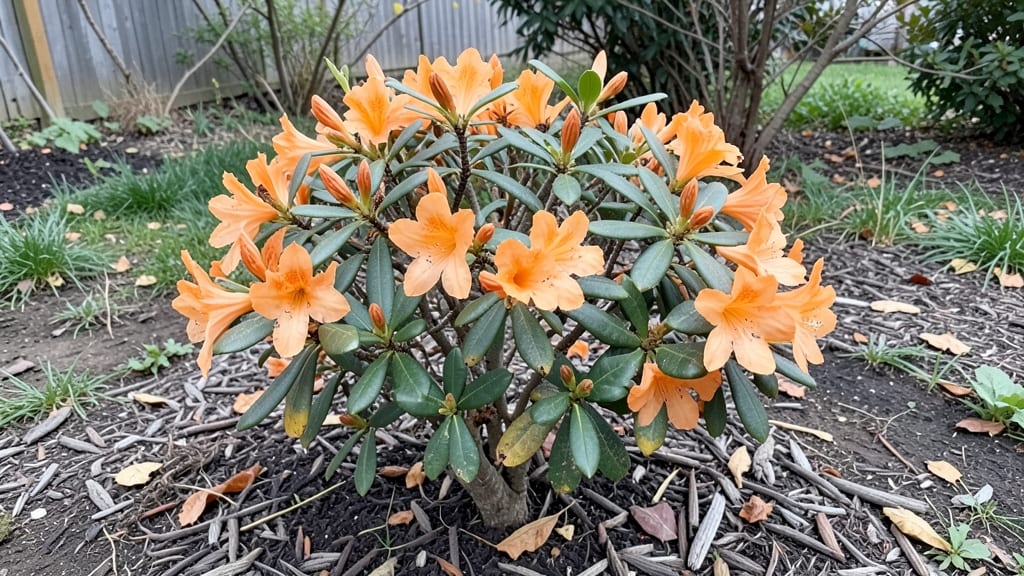
The Pacific Northwest’s signature azalea orange flowers burst into life each spring, turning gardens into a fiery, year-round color spectacle that outshines even the brightest summer blooms—so vibrant I’ve built entire landscapes around them. 🌸 sun-drenched display.
The secret lies in strategic placement—positioning them where their vibrant hues glow against deep greens or soft purples, ensuring they steal the show without overwhelming the space.
Start with mounding evergreens like rhododendrons or boxwoods to frame the azaleas, then layer in spring bulbs like daffodils or tulips to extend the color season.
In shadier spots, pair them with heucheras or ferns for texture contrast, while sunny areas welcome salvias or coral bells to echo their warm tones. The key is repetition—plant three to five azaleas in a cluster to create visual impact without looking scattered.
What you’ll end up with is a garden that feels alive year-round: spring’s delicate blooms transitioning into summer’s lush foliage, then autumn’s fiery display, with evergreens holding the structure through winter.
The azaleas themselves demand minimal fuss—morning sun, acidic soil, and consistent moisture—so once planted, they reward you with decades of effortless beauty. Let’s make your landscape the envy of the neighborhood.
This approach works for urban courtyards, woodland edges, or formal gardens—adjust the supporting plants based on your light conditions. The Pacific Northwest’s mild climate makes it ideal, but similar designs thrive in other temperate zones with the right species selection. Ready to transform your space?
📚 In This Guide
- What you need
- Instructions
- Tips and common mistakes
- Wrapping up and next steps
What you need
- ● Azalea plants: Choose Rhododendron varieties like ‘Girard’s Orange’ or ‘Gable’s Orange’ (2–3 plants for a small garden, 5+ for a bold display).
- ● Well-draining acidic soil: Mix 50% peat moss or coconut coir + 30% pine bark fines + 20% perlite (or a pre-mixed rhododendron blend). Test soil pH (4.5–6.0)—use a blank">soil pH kit if unsure.
- ● Organic mulch: 3–4 inches of pine needles or wood chips (retains moisture and acidity).
- ● Slow-release fertilizer: 10-10-10 or 12-4-8 (acid-loving plant formula). Apply 2–3 times per year (spring, summer, fall).
- ● Watering can or drip irrigation: 1–2 gallons per plant during dry spells (morning watering preferred).
- ● Garden trowel or spade (for planting/transplanting).
- ● Gloves (to protect hands from thorns and soil).
- ● Pruning shears (sterilized with rubbing alcohol).
- ● Sunlight gauge: Ensure partial shade (3–6 hours of dappled sun)—use a blank">light meter if needed.
- ○ Optional but helpful: 🌡️ Soil thermometer (ideal planting temp: 50–70°F).
- ● ✨ Epsom salt (magnesium sulfate) (1 tbsp per gallon of water, monthly for yellowing leaves).
- ● 🚫 Lime or alkaline amendments (azaleas hate them!).
How to grow vibrant Orange azaleas in the Pacific Northwest
Here’s my battle-tested approach to coaxing those fiery orange blooms year after year—even in our damp climate.
🌱 Step 1: Select the Right Azalea Variety for Your Site
Not all azaleas thrive in the Pacific Northwest’s mild, wet winters. Choose Rhododendron ‘Girard’s Orange’ or ‘Orange Beauty’—both are cold-hardy down to 10°F and handle our acid rain better than most. These varieties bloom reliably in spring and often rebloom in fall, giving you that year-round color you’re after.
I always check the plant tag for full sun to partial shade (6+ hours of light but with afternoon shade in hotter inland areas). Planting in morning sun prevents leaf scorch while still encouraging vibrant blooms. Avoid southern exposures unless you have afternoon shade—those leaves will crisp by July.
🪴 Step 2: Prepare Acidic, Well-Draining Soil
Azaleas demand acidic soil (pH 4.5–6.0)—our native Pacific Northwest soil is too alkaline for them. Mix 3 gallons of peat moss or pine fines into every 5 gallons of native soil when planting. I also add 1 cup of sulfur per planting hole to lower pH further if your soil tests above 6.0.
Dig a hole twice as wide as the root ball but no deeper—azaleas hate having their crown buried. Amend the bottom 6 inches of soil with 1 part sand to improve drainage (our clay soils stay soggy in winter). Test drainage by filling the hole with water—if it doesn’t drain in 15–20 minutes, add more sand.
☀️ Step 3: Plant and Water for Establishment
Place the azalea so the top of the root ball sits 1 inch above soil level—this prevents rot. Backfill with amended soil, pressing gently to eliminate air pockets. Water deeply until the soil 6 inches down feels moist, then mulch with 3 inches of pine needles or wood chips to retain moisture and acidify slowly over time.
Keep soil consistently moist but never soggy for the first 3 months. I water every 2–3 days until new growth appears, then taper to weekly deep waterings once established. Overwatering is the #1 killer—yellow leaves? That’s your warning sign.
✂️ Step 4: Feed and Prune for Maximum Blooms
Feed only in early spring (before buds swell) with 1 tablespoon of acid-loving plant fertilizer (like 8-3-9) per square foot of root zone. I avoid high-nitrogen fertilizers—they produce lush foliage but fewer flowers. After blooming, apply a slow-release azalea fertilizer in late summer to prep for next year’s flowers.
Prune right after flowering (late May/early June) to shape the plant and encourage next year’s blooms. Remove dead or crossing branches first, then trim 1/3 of the oldest stems to the ground—this rejuvenates the plant. Never prune in fall or winter; you’ll cut off next year’s flower buds.
🌿 Step 5: Protect from Pacific Northwest Pests
Our region’s biggest azalea threats are lace bugs and root rot. I spray neem oil in early summer to deter lace bugs (look for yellow stippling on leaves). For root rot prevention, ensure proper drainage and avoid compacting soil around the base—azaleas hate wet feet.
Watch for aphids on new growth—blast them off with water if you catch them early. I also mulch heavily in winter to insulate roots from temperature swings, which stress plants and invite pests. A 12-inch mulch ring keeps soil stable and discourages weeds that compete for nutrients.
Tips & tricks for growing vibrant Orange azaleas
Mastering these regional-specific techniques will help you achieve that stunning year-round color in our Pacific Northwest climate.
Variety Selection: When choosing between Rhododendron 'Girard's Orange' and 'Orange Beauty', consider your microclimate. 'Girard's Orange' thrives in coastal areas with milder winters, while 'Orange Beauty' handles slightly colder inland winters better. Look for plants with tight buds and healthy green foliage—these indicate strong blooming potential.
Soil Testing: Before amending your soil, conduct a pH test to determine how much sulfur you'll need. Our native soil often tests above 6.0, requiring 1 cup of sulfur per planting hole to reach the ideal 4.5-6.0 range. I recommend testing again 3 months after planting to confirm proper acidification—this is especially critical in our alkaline-heavy region.
Watering Strategy: The key to that consistently moist but never soggy soil during establishment is using a moisture meter. I aim to keep the top 6 inches of soil at about 30% moisture content. In our rainy climate, you might need to adjust your watering schedule based on recent rainfall—check before watering to avoid overdoing it.
Pruning Timing: That late May/early June window for pruning is crucial for our climate. Pruning too early risks cutting off next year's flower buds, while waiting too long may remove some blooms. I always prune immediately after the spring bloom cycle ends—this gives the plant time to set buds for fall reblooming, which is particularly important for our mild winters.
Pro Tips for Azalea Orange Flowers
- Mastering these regional-specific techniques will help you achieve that stunning year-round color in our Pacific Northwest climate.
- Variety Selection: When choosing between Rhododendron 'Girard's Orange' and 'Orange Beauty', consider your microclimate.
- Soil Testing: Before amending your soil, conduct a pH test to determine how much sulfur you'll need.
Frequently asked questions
Got questions about growing and enjoying azalea orange flowers in your Pacific Northwest garden? You’re in the right place! Here are some of the most common queries—and their answers—to help you cultivate a stunning, year-round display.
When is the best time to plant orange azaleas in the PNW?
The ideal window is late fall or early spring (September–March). This timing lets roots establish before summer heat or winter frost. Avoid planting in scorching summer months—orange azaleas thrive in cooler, moist conditions. Pro tip: Water deeply after planting to reduce transplant shock!
How do I keep my orange azaleas blooming all year?
While azaleas typically bloom in spring, you can extend their color with selective pruning and seasonal care. Prune lightly after flowering to encourage new growth, and fertilize with acidic, slow-release granules in early spring. Mulch with pine bark to maintain soil acidity—key for vibrant blooms! Bonus: Deadhead spent flowers to prompt reblooming.
What if my orange azalea leaves turn yellow? Is it dying?
Yellowing leaves often signal overwatering, nutrient deficiency, or poor drainage. Check soil moisture—azaleas prefer consistently moist but not soggy soil. Test pH (ideal: 4.5–6.0) and amend with sulfur if needed. Troubleshoot: Ensure pots/drainage holes are functional, and avoid tap water (use rainwater or distilled if possible).
Are there orange azalea alternatives for full-sun gardens?
If your site gets more than 4–6 hours of sun, try Enkianthus (cloudberry bush) or Rhododendron ‘Orange Rocket’, which tolerate partial sun better. For bold color, camellias or hydrangeas (like ‘Limelight’) also thrive in PNW sun. Note: Most azaleas prefer dappled shade—pair them with sun-loving perennials for balance!
Do orange azaleas survive PNW winters?
Yes! Hardy varieties like Rhododendron ‘Girard’s Orange’ withstand temps down to 0°F (-18°C). Mulch heavily in late fall (4–6 inches of pine bark or wood chips) and water sparingly during dry winters. Winter prep: Shield young plants with burlap if winds are fierce, and avoid heavy snow buildup on branches.
Wrapping up and next steps
Bringing the vibrant beauty of orange azaleas into your Pacific Northwest garden—or even your home—is easier than you think! Whether you’re a seasoned gardener or a beginner, these stunning blooms can transform any space into a year-round color show. 🌸
Now that you’re armed with the perfect materials, tips, and answers to your biggest questions, it’s time to roll up your sleeves and get planting.
Start small with a single pot or go big with a full garden bed—either way, you’re guaranteed a burst of sunshine that’ll brighten up even the driest winter days. Happy gardening!