Shrubs
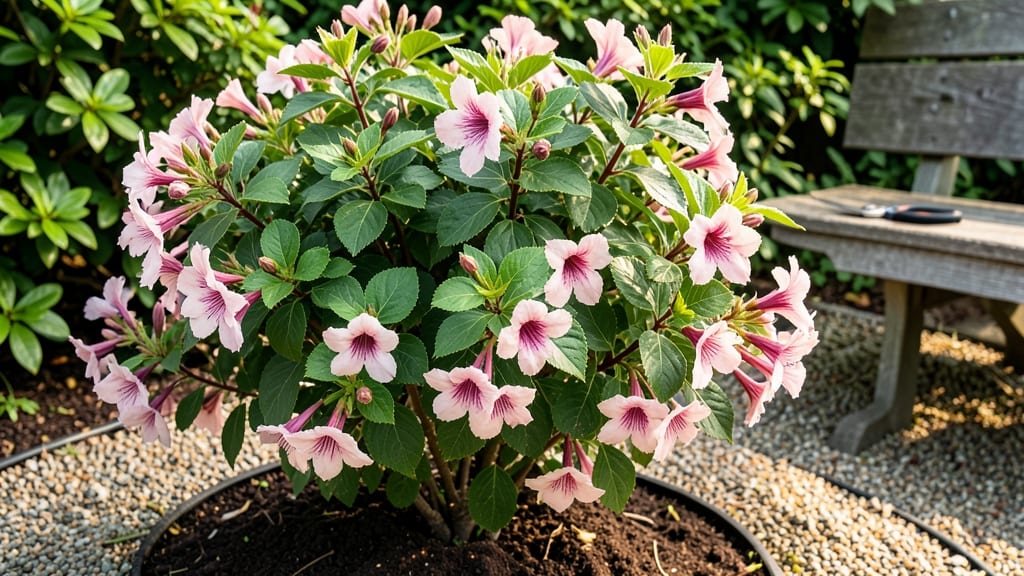
Cold-hardy flowering bushes in Zone 4 don’t just survive—they explode with color year after year. 🌿 I’ve watched lilacs burst into purple clouds after -20°F winters, and hydrangeas rebound from snow with bigger blooms than ever.
The key isn’t just picking the right plants, but understanding how to protect them through brutal winters and give them the right start in spring.
These bushes thrive with minimal fuss: most need full sun to part shade, well-draining soil, and one deep watering per week once established. My go-to varieties—like Dart’s Little Girl lilac or Annabelle hydrangea—handle Zone 4’s extremes because they’re bred to bounce back.
The real secret? Mulching heavily in fall and pruning at the right time (never in fall!).
You’ll end up with four-season interest: fragrant spring blooms, summer foliage, and winter structure. The first year might be modest, but by year two, these bushes become the showstoppers of your garden—neighborhood-envy levels of beauty. Let’s get you planted with confidence.
Works for backyard borders, foundation plantings, or even large containers—just adjust watering for pots. Zone 4’s short growing season makes timing critical, but these varieties make it easy. Ready to transform your yard into a cold-proof paradise?
📚 In This Guide
- What you need
- Instructions
- Tips and common mistakes
- Wrapping up and next steps
What you need
- ● Flowering bushes (Zone 4-hardy varieties): 3–5 mature bushes (e.g., Butterfly Bush, Weigela, or Potentilla)
- ● 10–20 bare-root or container-grown plants (for new growth)
- ● High-quality soil: 1–2 cubic yards of well-draining, compost-amended soil (or 10+ bags of potting mix for containers)
- ● Organic mulch: 2–3 bags of shredded bark or straw (3–4 inches deep)
- ● Slow-release fertilizer: 1–2 bags of balanced 10-10-10 or rose-specific fertilizer
- ● Watering supplies: Hose with adjustable nozzle or drip irrigation kit
- ● 5-gallon watering can (for containers)
- ● Digging tools: 1 garden shovel (for planting)
- ● 1 garden trowel (for precision)
- ● 1 pruning shears (sharp, bypass-style)
- ○ Optional (but helpful!): Soil pH tester (to check acidity/alkalinity)
- ● Garden gloves (for comfort)
- ● Stakes or cages (for support if needed)
- ● ✅ Sunlight: Full sun (6+ hours/day) or partial shade (4–6 hours)
- ● ✅ Spacing: Follow plant tags (typically 3–6 feet apart)
- ● ✅ Timing: Plant in early spring or fall (avoid extreme heat/cold)
- ● ✅ Zone 4 readiness: Verify your last frost date (usually late April–May)
Step-by-step guide to selecting and planting flowering bushes in Zone 4
Cold-hardy flowering bushes bring color and life to your landscape—here’s how to choose and plant them for long-term success.
🌱 Step 1: Choose Cold-Hardy Varieties for Zone 4
Zone 4’s harsh winters demand resilient shrubs. Opt for varieties like butterfly bush (Buddleia), potentilla (Dasiphora), spirea (Spiraea), or weigela, all rated for USDA Zone 4 (-30°F to -20°F). These thrive with minimal winter protection and bounce back yearly. Check labels for zone hardiness ratings—lower numbers mean better cold tolerance.
Look for multi-stemmed rather than single-trunk bushes—they’re tougher against winter winds. Avoid tropical or subtropical species like hibiscus or gardenia, which won’t survive Zone 4 winters. I always cross-reference with local nursery recommendations to confirm performance in your microclimate.
☀️ Step 2: Select the Right Planting Location
Most flowering bushes need full sun (6+ hours daily) for vibrant blooms, but a few like inkberry holly (Ilex glabra) tolerate partial shade. Avoid low-lying areas where cold air settles—plant on slightly elevated ground or slopes to prevent frost pockets. Test your site by observing how sunlight shifts throughout the day.
Consider mature plant size when spacing. A 6-foot bush needs 6 feet of clearance from structures and other plants to prevent competition. I mark the area with stakes and string to visualize spacing before digging, which saves time and prevents overcrowding later.
🪴 Step 3: Prepare the Soil and Plant Correctly
Amend native soil with 2-3 inches of compost to improve drainage and fertility. Zone 4 soils often compact easily, so mix in 10% perlite or coarse sand if your soil feels heavy when squeezed. Dig holes twice as wide as the root ball but no deeper—this encourages root spread rather than settling.
Remove the bush from its container and loosen tangled roots gently. Place it in the hole so the top of the root ball sits level with the soil surface—burying too deep suffocates stems. Backfill with native soil mixed with compost, then water deeply to eliminate air pockets. A 1-inch layer of mulch (like shredded bark) retains moisture and insulates roots in winter.
⏰ Step 4: Water and Fertilize for First-Year Establishment
Water newly planted bushes deeply once a week for the first 6-8 weeks, ensuring moisture reaches 12 inches down. Let the top 2 inches of soil dry between waterings to prevent root rot. Overwatering in Zone 4’s cool climate is a common mistake—roots need air to establish.
Apply a balanced, slow-release fertilizer (10-10-10) at planting time, then again in early spring. Avoid high-nitrogen fertilizers, which promote leafy growth at the expense of flowers. I use a handheld trowel to scratch fertilizer into the soil surface rather than piling it in the center, where roots can’t access it.
✂️ Step 5: Prune for Winter Hardiness and Spring Bloom
Prune late winter or early spring (before buds swell) to shape bushes and encourage new growth. Remove dead, diseased, or crossing branches first, then cut back overgrown stems by one-third to stimulate bushier growth. For spirea and potentilla, prune immediately after flowering to maintain shape.
Apply a 2-3 inch layer of mulch in late fall to protect roots from freeze-thaw cycles. Avoid piling mulch against stems—keep it 3 inches away to prevent rot. I always prune and mulch on a warm, dry day to reduce stress on the plant and minimize disease risk.
Tips & tricks for perfectly thriving flowering bushes in Zone 4
Cold-hardy bushes require special attention to beat Zone 4's challenges—here's how to give them the best start.
Hardiness Verification: Always double-check the USDA Zone 4 (-30°F to -20°F) rating on plant tags, but don't stop there. I've learned the hard way that microclimates matter—test your site by observing how cold air settles in your yard. A sunny south-facing slope might be Zone 5 in your microclimate even if you're officially in Zone 4. This explains why some bushes thrive where others fail just a few feet away.
Root Ball Placement: When planting, the top of the root ball should sit level with the soil surface—not buried and not exposed. I use a level tool to verify this critical detail, as burying too deep suffocates stems while exposing the root ball causes drying. For container-grown bushes, gently loosen tangled roots before planting to encourage better root spread in Zone 4's compacted soils.
Winter Protection Strategy: For your first winter, consider wrapping young bushes with burlap or using frost blankets during extreme cold snaps (below 0°F). I've found that even Zone 4-hardy bushes benefit from this extra protection during their first few winters. Remove the protection in early spring before buds swell to prevent moisture buildup that can cause rot.
Soil Amendment Secrets: Mixing 10% perlite or coarse sand into your amended soil creates tiny air pockets that prevent waterlogging—a common issue in Zone 4's heavy clay soils. I test soil moisture by squeezing a handful—if water beads up, it's too wet. For container plants, ensure pots have drainage holes and use a well-draining potting mix to prevent root rot during our cool, damp springs.
Pro Tips for Flowering Bushes Zone 4
- Cold-hardy bushes require special attention to beat Zone 4's challenges—here's how to give them the best start.
- Hardiness Verification: Always double-check the USDA Zone 4 (-30°F to -20°F) rating on plant tags, but don't stop the...
- Root Ball Placement: When planting, the top of the root ball should sit level with the soil surface—not buried and no...
Frequently asked questions
Got questions about growing flowering bushes in Zone 4? You’re not alone! Here are answers to the most common concerns—so you can pick the perfect plants and keep them blooming beautifully year after year.
What are the best flowering bushes for Zone 4 that survive harsh winters?
Top picks include Butterfly Bush (Buddleia), Weigela, Panicle Hydrangea, Dwarf Lilac, and Spirea. These varieties are cold-hardy (USDA Zones 3-7) and bounce back after winter’s chill. Pro tip: Look for labels specifying "Zone 4" or "cold-hardy" to avoid disappointments!
When is the best time to plant flowering bushes in Zone 4?
Plant in early spring (April–May) or early fall (September–October) for the best results. Spring gives roots time to establish before summer heat, while fall planting lets them settle before winter. Avoid planting in late fall—young roots may not survive freezing soil.
Why aren’t my Zone 4 flowering bushes blooming this year?
Common culprits include over-fertilizing with high-nitrogen (which encourages leaves over flowers), pruning at the wrong time (cut back after blooming for spring flowers; wait until late winter for summer bloomers), or poor sunlight. Fix it: Use a balanced fertilizer (10-10-10) and prune correctly.
How do I protect flowering bushes from Zone 4 winters?
Most cold-hardy bushes need minimal winter care, but young plants or tender varieties benefit from a 3–4 inch layer of mulch around the base (keep mulch away from stems). For extra protection, wrap wires or burlap around stems if heavy snow or wind is expected. Pro tip: Avoid piling mulch against stems—it can cause rot!
Are there flowering bushes for Zone 4 that don’t require much maintenance?
Try Dwarf Ninebark (Physocarpus), Potentilla, or Cotoneaster—these are low-maintenance, drought-tolerant, and thrive with minimal pruning. Russian Sage is another winner: drought-resistant and deer-resistant, plus it blooms all summer long!
Can I move an established flowering bush to a new location in Zone 4?
Yes, but do it in early spring or fall when the plant is dormant. Dig up the bush with a wide root ball, keep it moist, and plant it at the same depth as before. Water thoroughly and mulch to reduce stress. Warning: Avoid moving during extreme heat or cold—roots need time to recover!
Wrapping up and next steps
Choosing the right flowering bushes for Zone 4 means adding year-round beauty to your garden while braving the cold with confidence! From hardy hydrangeas to vibrant butterfly bushes, these cold-resistant varieties prove that seasonal limits don’t apply to your curb appeal. 🌸❄️
Now that you’re armed with knowledge, take the next step: sketch a simple garden layout, mark your sunniest spots, and pick one or two bushes to start. Whether you’re a seasoned gardener or a beginner, every bloom is a win—so grab those gloves and get planting! 🌱