
Flowers
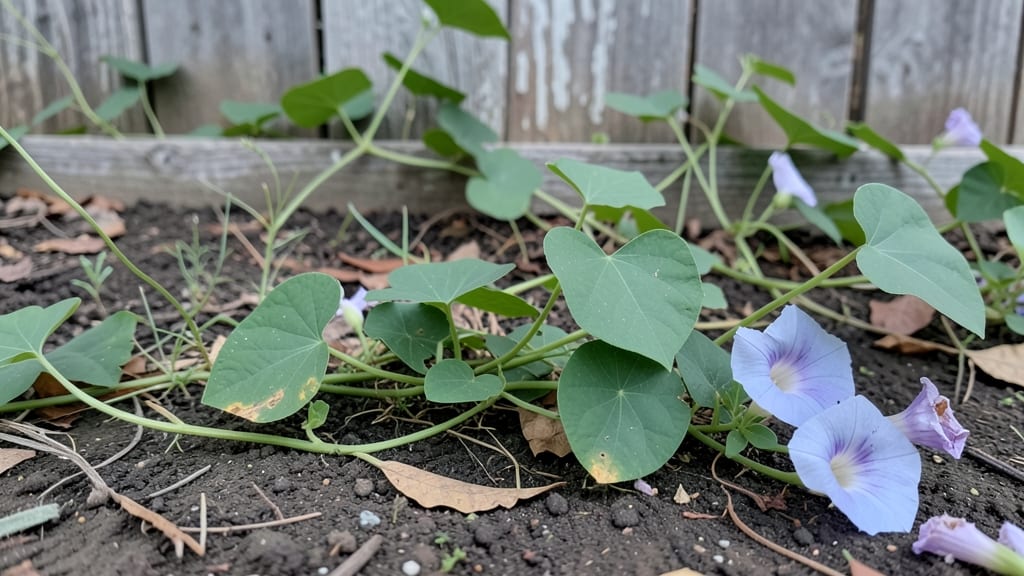
These stunning flower morning glory pictures prove how their trumpet-shaped blooms—blue, purple, pink, or white—spill over trellises like nature’s own watercolor painting, turning even the simplest fence into a garden masterpiece. ✨ I’ve watched neighbors pause mid-stride just to admire my morning glory-covered arbor, and I know what you’re thinking: How do I create that same magic in my own space?
The secret isn’t complicated—it’s all about placement and pairing. Morning glories thrive when given something to climb, whether it’s a sturdy trellis, a rustic wooden fence, or even a simple wire frame.
Pair them with fragrant jasmine or delicate clematis for a vertical garden that’s both visually stunning and scented to perfection. The key is starting seeds early (4-6 weeks before last frost) so they get a head start on the growing season.
Imagine waking up to vibrant blue trumpets greeting the morning sun or twilight skies painted in deep magenta. These vines don’t just add color—they create drama.
They’re the kind of plants that make your garden the envy of the neighborhood, proving that vertical space is the most underrated real estate in gardening. Let’s bring that dream to life, one trellis at a time.
Whether you’re working with a small balcony container or a full backyard fence, morning glories adapt beautifully. The best part? They’re low-maintenance once established, so you get maximum impact with minimal effort. Ready to turn heads—and walls—with these climbing stars?
📚 In This Guide
- What you need
- Instructions
- Tips and common mistakes
- Wrapping up and next steps
What you need
- ● Morning Glory Seeds: Choose a variety like Ipomoea purpurea (common morning glory) or Ipomoea nil (Japanese morning glory). Aim for 5–10 seeds per plant (they’re fast-growing, so spacing is key!). Opt for heirloom or organic seeds for the best results.
- ● Growing Containers: Large pots (10–12 inches deep) for single plants, or
- ● Vertical planters (e.g., trellis boxes, hanging baskets, or wall-mounted pockets) with drainage holes.
- ● Potting Soil: A well-draining mix like 50% garden soil + 50% compost or a pre-mixed lightweight potting blend (avoid heavy clay soil). Add 1–2 cups of perlite or vermiculite per 5 gallons for aeration.
- ● Trellis or Support Structure: A sturdy trellis, fence, or obelisk (at least 6–8 feet tall) to guide the vines upward. Bamboo stakes or chicken wire work too!
- ● Watering Can or Hose: With a gentle spray nozzle to avoid disturbing seedlings.
- ● Fertilizer: A balanced, water-soluble fertilizer (10-10-10) or organic options like compost tea or fish emulsion. Apply every 2–3 weeks during the growing season.
- ● Slow-Release Fertilizer Pellets: Mix into soil at planting for low-maintenance nutrition.
- ● Mulch: Straw or shredded leaves to retain moisture and suppress weeds.
- ● Plant Markers: Label seeds with variety names (morning glories grow fast and can get crowded!).
- ● Pruning Shears: For trimming vines to encourage bushier growth.
- ● Garden Gloves: To protect your hands from thorns (some varieties have them!).
- ● Photography Gear: A camera or smartphone to capture those show-stopping blooms for your "flower morning glory pictures" collection! 📸
How to capture stunning morning glory flower pictures for your vertical garden
Morning glories transform any space with their bold colors and rapid growth—here’s how to photograph them at their peak.
📸 Step 1: Scout for Peak Blooming Times
Morning glories open their flowers in the early morning and wilt by midday, so plan your photo sessions between 6:00 AM and 9:00 AM when petals are fully unfurled and dew adds natural sparkle. I like to scout the garden the night before to identify vines with the freshest blooms—look for buds that are just beginning to open, signaling they’ll be at their most vibrant within hours.
Use a polarizing filter to reduce glare from morning sunlight and enhance the flowers’ natural colors. If shooting in direct light, position yourself so the sun backlights the vines slightly—this creates a soft glow and makes the blooms pop against the foliage. Avoid midday when flowers start to droop and colors fade.
✂️ Step 2: Prune and Arrange Vines for Optimal Composition
Gently prune any wilted or overgrown vines the day before shooting to create a cleaner, more intentional backdrop. Morning glories grow aggressively, so I remove excess foliage that might obscure the main blooms—this ensures your subject stands out. Leave just enough leaves to frame the flowers naturally, using the vine’s organic shape to guide the viewer’s eye.
For vertical gardens, photograph the vines from a low angle to emphasize their height and climbing nature. If the flowers are tangled, carefully untwist them without damaging the stems—morning glories are delicate, and rough handling can cause buds to drop prematurely. A light misting with water in the early morning can also make petals appear more vibrant and fresh.
☀️ Step 3: Master Lighting for Dramatic Contrast
Morning glories thrive in full sun, and their colors are most intense when photographed in natural daylight. Position yourself so the light hits the flowers at a 45-degree angle—this creates depth and highlights the texture of the petals. If shooting on an overcast day, use a reflector to bounce light onto shaded areas of the vine and avoid flat, washed-out images.
Experiment with backlighting by placing the vine between your camera and the sun—this makes the petals glow and creates a dreamy, ethereal effect. Just be mindful of lens flare, which can overpower the subject. A neutral density filter helps diffuse harsh sunlight while maintaining color accuracy, especially on bright mornings.
📱 Step 4: Capture Close-Ups and Wide Shots for Depth
Use a macro lens (or your camera’s macro mode) to focus on individual flowers, emphasizing their intricate details like stamens and dew droplets. For close-ups, keep the background slightly blurred to draw attention to the bloom—morning glories have delicate textures that deserve sharp clarity. I like to include a few leaves in the frame to provide context and show the vine’s natural growth pattern.
Complement close-ups with wide shots that capture the entire vertical garden. Step back to include the trellis or support structure, which adds scale and highlights the morning glory’s climbing habit. A tripod helps stabilize shots when using slower shutter speeds in low light, ensuring crisp images even in early morning conditions.
🎨 Step 5: Edit for Vibrancy and Natural Beauty
Post-processing enhances the morning glory’s natural colors without overpowering them. In editing software, boost the saturation slightly (no more than +10) to make blues and purples pop, but avoid overdoing it—morning glories are already stunning in their raw state. Use a selective color adjustment tool to deepen the hue of the petals while keeping the green foliage natural.
Sharpen the edges of the petals and stamens to highlight their delicate structures, but avoid over-sharpening, which can create a harsh, artificial look. A subtle vignette darkens the edges of the image, drawing the eye to the center where the flowers are in focus. Save your edits in a high-quality format like JPEG or TIFF to preserve the vibrant colors for printing or sharing.
Tips & tricks for perfect morning glory flower photography
Morning glories are fleeting subjects—here's how to capture their fleeting beauty with professional results.
Timing is Everything: The 6:00 AM to 9:00 AM window is non-negotiable for morning glories. I've learned the hard way that waiting until 9:30 AM means wilted petals and lost opportunities. Scout your vines the night before and mark the freshest buds—they'll open just in time for your morning shoot. Pro tip: Set multiple alarms if you're not an early riser, because these flowers don't wait!
Lighting Secrets for Dramatic Results: That 45-degree angle mentioned in Step 3 is your golden rule. For extra drama, try the "golden hour hack": shoot during the 30 minutes before sunrise when light is softest. If you're using backlighting, position yourself slightly to the side of the sun to minimize lens flare while keeping that ethereal glow. I keep a small reflector handy for overcast days—it makes all the difference when clouds dull the natural vibrancy.
Composition Techniques for Vertical Gardens: The low angle shot from Step 2 works best when you position yourself directly below the vines. For extra impact, include a portion of the trellis or support structure in your wide shots—this adds depth and context. I like to use the "thirds rule" here: place the main flower at one of the intersection points where vertical and horizontal lines divide the frame. This creates natural balance that draws the eye right to your subject.
Equipment Upgrades for Pro Results: While you can use your smartphone's macro mode, investing in a true macro lens (1:1 magnification) will reveal details you never knew existed—like dew droplets clinging to stamens or the intricate vein patterns on petals. For wide shots, a tripod with a remote shutter is invaluable for those early morning shoots when light is dim. I've also found that a circular polarizer enhances colors more than the linear type mentioned in Step 1.
Pro Tips for Flower Morning Glory Pictures
- Morning glories are fleeting subjects—here's how to capture their fleeting beauty with professional results.
- Timing is Everything: The 6:00 AM to 9:00 AM window is non-negotiable for morning glories.
- Lighting Secrets for Dramatic Results: That 45-degree angle mentioned in Step 3 is your golden rule.
Frequently asked questions
Got questions about growing or caring for flower morning glories? You’re not alone! Here are answers to the most common queries to help you create a breathtaking vertical garden with these stunning climbers.
When is the best time to plant morning glory seeds?
Morning glories thrive in warm soil, so plant seeds after the last frost when temperatures consistently stay above 50°F (10°C). For most regions, this means late spring to early summer. If you’re in a hot climate, you can even start them in fall for winter blooms!
How long does it take for morning glory flowers to bloom?
With proper care, morning glories typically bloom in 6–8 weeks after planting. Fast-growing varieties may even surprise you with flowers in just 4–5 weeks. For continuous blooms, deadhead spent flowers regularly—this encourages new buds to form!
Can morning glories grow in containers or hanging baskets?
Morning glories are perfect for containers as long as the pot is at least 12 inches deep and has drainage holes. Use a trellis or obelisk inside the container to support their climbing habit. Just ensure they get 6+ hours of sunlight daily for best results.
What should I do if my morning glory leaves look yellow or wilted?
Yellow leaves often signal overwatering or poor drainage, while wilting can mean underwatering or heat stress. Check the soil moisture—it should be damp but not soggy. If pests like aphids or spider mites are present, treat with neem oil or insecticidal soap. Ensure your plants have adequate airflow to prevent fungal issues.
Are there morning glory varieties that bloom at night?
Yes! Some morning glory varieties, like Ipomoea alba (Moonflower), bloom at night and close by mid-morning, emitting a sweet fragrance. These are perfect for adding nocturnal beauty to your garden. Just plant them near patios or decks where you can enjoy their evening show!
Wrapping up and next steps
From their vibrant blooms to their easy-care charm, flower morning glories are the perfect way to transform any space into a lush, eye-catching vertical garden.
Whether you’re a seasoned gardener or just starting out, these climbing vines offer low-maintenance beauty and endless creative possibilities—think trellises, fences, or even balcony railings! 🌸
Ready to bring some magic to your garden? Start by choosing your favorite varieties and planning your climbing structure. Then, grab your seeds, get growing, and watch your walls bloom into a living masterpiece! Here’s a quick guide to help you kickstart your project today.