Shrubs
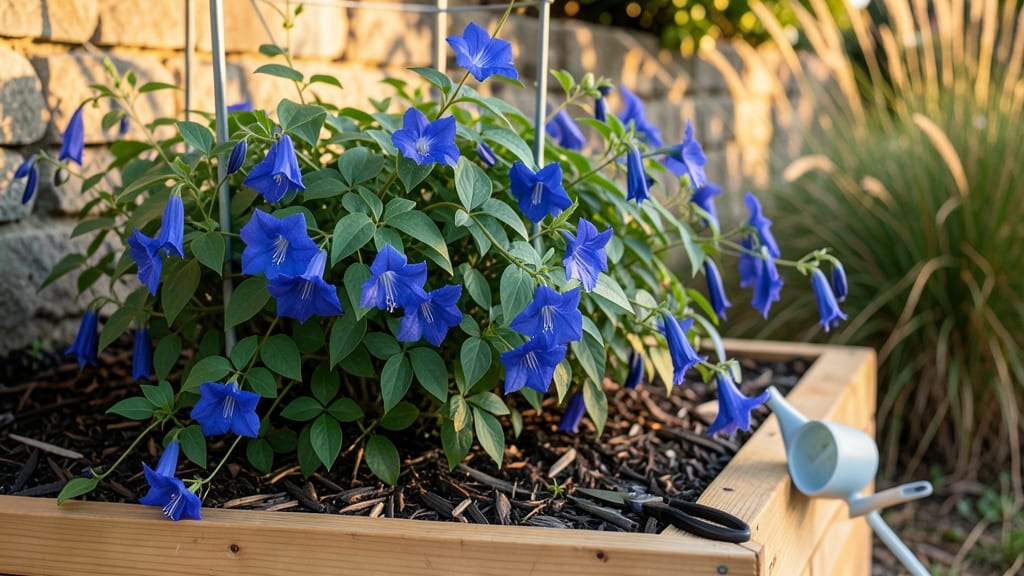
The Pacific Northwest’s blue flowering clematis is the kind of plant that makes neighbors pause and ask, "What is that?" 🌿 Its velvety blue blooms stand out against rain-washed greenery like a splash of sky in a garden.
I’ve used it to transform dull fences into living tapestries, and once it’s established, it thrives through our damp winters with barely a complaint.
This isn’t just a pretty face—it’s a year-round performer. In spring, the blooms steal the show, but don’t overlook its value in winter when the seed heads add texture. Pair it with silver foliage plants like lamb’s ear or deep purple heuchera to make the blue pop even more.
The key to showcasing it? A sturdy trellis or arbor where it can climb and cascade dramatically.
You’ll love how it softens sharp corners, frames entryways, or spills over a balcony railing. The secret to keeping it happy? Well-draining soil and a little winter mulch to protect those cold-hardy roots.
With the right support and companions, your clematis will become the star of every season—not just summer.
Whether you’re working with a small urban yard or a sprawling rural garden, this plant adapts beautifully. Let’s talk about how to make it the centerpiece of your outdoor space without the fuss.
📚 In This Guide
- What you need
- Instructions
- Tips and common mistakes
- Wrapping up and next steps
What you need
- ● Blue flowering clematis plant: 1-3 nursery-grown plants (choose cold-hardy varieties like Clematis ‘Jackmanii’ or Clematis ‘Perle d’Azur’ for PNW climates).
- ● OR seeds (if starting from scratch—germination can take 30+ days!).
- ● Support structure: 1 trellis, arbor, or sturdy fence (at least 6–10 ft tall).
- ● Garden twine or soft ties (to secure vines gently).
- ○ Soil amendments (optional but helpful): 2–3 gallons of well-draining potting mix or compost (for container planting).
- ● 1 cup bone meal or slow-release fertilizer (10-10-10 ratio).
- ● 1 tbsp mycorrhizal fungi (boosts root health in PNW’s acidic soils).
- ● Tools: 1 trowel or hand shovel.
- ● 1 pair pruning shears (sterilized with rubbing alcohol).
- ● 1 watering can or hose with a gentle spray nozzle.
- ● 1 mulch (3–4 inches of shredded bark or wood chips).
- ● Location: A spot with full sun to partial shade (at least 6 hours of sunlight daily). Avoid soggy areas—clematis hates "wet feet."
- ● Climate readiness: PNW’s zones 5–9 are perfect! Plant in early spring or fall to avoid summer heat stress.
- ● Water access: A consistent watering schedule (deep watering 2–3 times per week during dry spells).
- ● Patience: Blue clematis may take 1–2 years to flower fully—worth the wait! ✨
Step-by-step instructions for planting blue flowering clematis
Here's how to get your cold-hardy climber thriving in the Pacific Northwest's unique climate.
🌱 Step 1: Choose the Perfect Planting Location
Clematis needs 6+ hours of morning sun and afternoon shade to prevent leaf scorch. In the PNW's cooler climate, I always plant mine where they get bright light until 2 PM, then dappled shade the rest of the day. A north-facing wall or east-facing fence works beautifully—just avoid hot, exposed spots.
Look for a spot with well-draining soil—clematis roots hate soggy feet. If your yard has heavy clay, amend the planting area with 2-3 inches of compost before planting. The roots should never sit in standing water, especially during our rainy winters.
🪴 Step 2: Prepare the Planting Hole and Support Structure
Dig a hole twice as wide as the root ball but only 12-18 inches deep—deeper planting encourages rot. I like to mound a small pile of soil at the bottom of the hole, then place the clematis on top so the crown sits 4-6 inches below soil level. This protects tender growth from winter frost while keeping roots cool.
Install your trellis, arbor, or fence before planting—clematis vines grow fast and hate being transplanted later. I use a 5-foot-tall obelisk for compact varieties and a sturdy 8-foot fence for large-flowering types. The support should be close enough that new shoots can reach it within a few weeks.
☀️ Step 3: Plant and Water for Immediate Establishment
Place the clematis in the hole, spreading roots gently outward. Fill around the base with native soil mixed with compost, tamping lightly as you go. Water deeply right away to settle the soil and eliminate air pockets. You'll know it's right when the surface looks slightly firm but not packed hard.
After planting, give it 1 inch of water weekly (more during dry spells). Mulch with 3-4 inches of shredded bark around the base, keeping mulch 6 inches away from the stem to prevent rot. The mulch helps regulate soil temperature and conserves moisture during our unpredictable PNW summers.
✂️ Step 4: Prune and Train for Strong Growth
Wait until spring growth (when new shoots are 4-6 inches tall) before pruning. Early bloomers (Group 1) need minimal pruning—just remove dead or crossing stems. Large-flowering types (Group 3) should be pruned back to 2-3 healthy buds above the last set of leaves in early spring.
Train young vines by tying them to the support with soft plant ties. I like to space ties 12 inches apart so the vine has room to grow between them. Never wrap ties tightly—they should allow the stem to thicken naturally. By mid-summer, your clematis should be climbing steadily toward its support.
💧 Step 5: Maintain Through the Growing Season
Water during dry spells, keeping soil evenly moist but not soggy. Clematis in containers need more frequent watering—check daily if the top inch feels dry. Fertilize in early spring with a balanced 10-10-10 fertilizer, then again after flowering. I avoid high-nitrogen fertilizers—they promote leafy growth at the expense of blooms.
Watch for powdery mildew in humid PNW summers. If you see white powder on leaves, spray with a mix of 1 tablespoon baking soda, 1 quart water, and a drop of dish soap**. This organic remedy works well and won't harm beneficial insects. Deadhead spent blooms regularly to encourage more flowers and keep the plant looking tidy.
Tips & tricks for perfectly planting blue flowering clematis
A few simple strategies will help your blue clematis thrive in the Pacific Northwest's climate for years to come.
Location is Everything: That 6+ hours of morning sun is non-negotiable for vibrant blooms. I've learned the hard way that afternoon shade is just as important—our PNW summers can get surprisingly hot. Look for spots where the sun moves away by 2 PM, especially if you're planting near a south-facing wall. The ideal location prevents leaf scorch while giving those blue flowers the light they need to develop their signature color.
Root Care Matters: When preparing your hole, remember that clematis roots are sensitive to waterlogging. The 2-3 inches of compost we add isn't just about nutrients—it helps create that perfect drainage while keeping roots cool. I always test drainage by digging a hole, filling it with water, and seeing how quickly it drains. If it takes more than an hour, you need to amend that soil further.
Pruning Precision: That 4-6 inch depth for crown planting might seem counterintuitive, but it's crucial for winter survival. The crown needs to be buried just enough to protect from frost while keeping the roots cool. For pruning, I mark the 2-3 healthy buds with a small flag or ribbon—this helps me visualize where to make clean cuts. Remember, Group 3 varieties (large-flowering types) need that aggressive spring pruning to encourage those showstopping blooms.
Watering Wisdom: The 1 inch weekly watering guideline is perfect for our climate, but there's a trick to it. Water deeply at the base rather than sprinkling leaves—this prevents powdery mildew, which loves our humid summers. I use a rain gauge to track weekly rainfall, adjusting my watering accordingly. During our dry spells, I increase to 1.5 inches weekly, but always check soil moisture before watering.
Pro Tips for Blue Flowering Clematis
- A few simple strategies will help your blue clematis thrive in the Pacific Northwest's climate for years to come.
- Location is Everything: That 6+ hours of morning sun is non-negotiable for vibrant blooms. I've learned the hard way ...
- Root Care Matters: When preparing your hole, remember that clematis roots are sensitive to waterlogging. The 2-3 inch...
Frequently asked questions
Got questions about growing blue flowering clematis in the Pacific Northwest?
You’re not alone! Here are answers to the most common queries—from planting tips to troubleshooting—so you can enjoy this stunning vine with confidence.
When is the best time to plant blue clematis in the PNW?
Plant your blue clematis in early spring or fall (March–April or September–October) when soil is workable but not frozen. Avoid extreme heat or cold—PNW’s mild winters make fall a great choice! Give roots 6–8 weeks to establish before frost hits. Pro tip: Mulch heavily after planting to protect roots in winter.
Why aren’t my clematis flowers turning blue? Are they supposed to be that color?
True blue clematis (like ‘Jackmanii’ or ‘Perle d’Azur’) are rare—most are deep purple or violet-blue. For electric blue, opt for ‘Blue Light’ or ‘Warsaw Nursery’ hybrids. If yours look dull, check soil pH (6.5–7.0 is ideal) or add copper sulfate (1 tsp/gallon) to enhance blue hues. Fun fact: Cooler PNW summers deepen blue tones!
How cold-hardy are blue clematis, and do they need winter protection?
Most blue clematis thrive in USDA Zones 4–9, making them perfect for the PNW! Hardy varieties like ‘Jackmanii’ survive -20°F, but young plants or tender hybrids may need mulch (6–8 inches) or burlap wraps in harsh winters. Prune after flowering (late summer) to avoid cutting off next year’s blooms. Pro tip: Use gravel mulch to prevent soggy roots in rainy PNW winters.
Are blue clematis prone to pests or diseases in the Pacific Northwest?
Yes, but solutions are simple! Watch for:
- Clematis wilt (fungus): Improve drainage and avoid overhead watering.
- Spider mites (dry summers): Spray with water or neem oil.
- Slugs/snails (common in PNW): Use copper tape or diatomaceous earth.
What’s a great alternative if I want blue flowers but clematis are tricky?
Try these PNW-friendly blue bloomers:
Plant
Bloom Time
Care Level
Delphinium (e.g., ‘Pacific Giant’)
Summer
Moderate (deadhead for repeat blooms)
Lobelia (e.g., ‘Crystal Palace’)
Summer–fall
Low (great for containers!)
Agapanthus (hardy in mild PNW winters)
Summer
Low (drought-tolerant)
Wrapping up and next steps
Transforming your Pacific Northwest garden with blue flowering clematis is a rewarding journey—one that brings vibrant color, resilience, and vertical charm to any space. 🌿 Whether you’re a seasoned gardener or just starting, these cold-hardy climbers prove that beauty thrives even in cooler climates.
Ready to take the next step? Start by selecting the perfect variety for your garden’s conditions, then dive into planting and care with confidence!
- 🌱 Pro Tip: Sketch a rough design of your trellis or support structure before planting to maximize growth potential.
- 📅 Next Steps: Mark your calendar for pruning seasons (early spring or after flowering) to keep your clematis thriving year after year.