
Tools
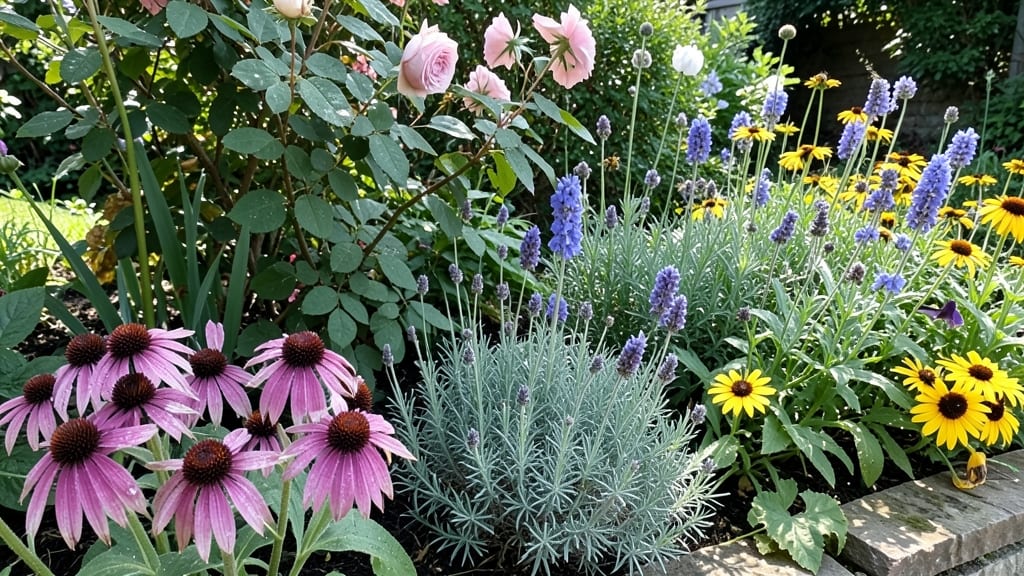
A cottage garden flower bed bursts with romantic layers—roses tumbling over hollyhocks, lavender swaying beside foxgloves, and poppies dotting the scene like scattered confetti. 🌸 In the Pacific Northwest’s damp, mild climate, the key isn’t just planting flowers but creating a living tapestry that thrives year-round, even through our famously gray winters.
The secret lies in mixing textures, heights, and bloom times so something’s always in flower, from early spring columbines to late-summer asters.
Start with a rustic, irregular shape—no straight edges here!—and dig in well-draining soil amended with compost. Pacific Northwest gardens need plants that handle moisture without rotting, so opt for drought-tolerant perennials like catmint, Russian sage, and hardy geraniums alongside classic cottage favorites.
Layer tall plants (like delphiniums) at the back, mid-height roses in the middle, and trailing sweet alyssum at the front for that signature "spilled-over-the-edge" look.
By midsummer, your bed will hum with bees and flutter with butterflies, the air thick with the sweet, earthy scent of lavender and the occasional whiff of roses.
The charm isn’t just in the flowers but in the imperfections—a few weeds left to naturalize, a trellis leaning slightly, and a mix of old-fashioned varieties that tell a story. Even in rain, this garden feels alive, proving that whimsy and resilience go hand in hand.
Whether you’re starting from scratch or refreshing an existing bed, the Pacific Northwest’s mild winters mean you can plant perennials in fall too—just time it so roots establish before the ground freezes. Let’s bring that old-world charm to your yard, one layer at a time.
📚 In This Guide
- What you need
- Instructions
- Tips and common mistakes
- Wrapping up and next steps
What you need
- ● Soil: 1–2 cubic yards of well-draining, organic-rich soil (mix garden soil with compost for PNW’s acidic tendencies).
- ○ Optional: Pine bark fines (for acid-loving plants like hydrangeas or rhododendrons).
- ● Mulch: 2–3 bags of cedar chips or straw mulch (retains moisture, suppresses weeds).
- ● Plants: Choose a mix of perennials, annuals, and shrubs (see recommended PNW-friendly varieties below). Aim for 10–15 plants per 4’x4’ bed for that lush, layered look.
- ● Tools: Garden trowel (for transplanting small plants).
- ● Garden fork (to loosen soil).
- ● Pruners (sharp, bypass-style for clean cuts).
- ● Wheelbarrow (for hauling soil/mulch).
- ● Hose with nozzle or watering can (PNW’s damp climate means less watering, but consistency matters!).
- ● Location: Partial shade to full sun (6+ hours/day for sun-lovers like peonies; dappled shade for ferns or astilbes).
- ○ Edging (optional but charming): Low stone walls, bricks, or curved metal edging (adds that classic cottage feel!).
- ● Pro tip: 💡 Use salal or ivy as natural, low-maintenance borders!
- ● Support Structures (for climbers): Trellises, obelisks, or rustic wooden arbors (for clematis, roses, or hops).
- ○ Optional: Chicken wire (to train climbing plants gently).
- ○ Fertilizer (optional): Slow-release organic fertilizer (like fish emulsion or compost tea) for nutrient boosts.
- ● PNW tip: 🌡️ Skip synthetic fertilizers—local soil microbes thrive with organic amendments!
Step-by-step instructions for designing a Pacific Northwest cottage garden flower bed
Here's how I create a thriving, layered cottage garden that embraces the Pacific Northwest's unique climate and moisture.
🌿 Step 1: Choose a Sunlight-Sheltered Location
Select a spot that receives 4-6 hours of morning sun but is protected from harsh afternoon rays—ideal for PNW's frequent cloud cover. I always look for areas near trees or structures that provide afternoon shade, as this mimics the dappled light of a woodland garden. Test your site over a week to confirm sunlight patterns before digging.
Soil in the Pacific Northwest tends to be acidic and dense, so avoid low-lying areas where water pools. If your site has poor drainage, amend the soil with 2-3 inches of compost and 1 inch of coarse sand to improve aeration. The goal is to create a microclimate that retains moisture without becoming waterlogged—a critical balance for PNW's wet winters and dry summers.
🪴 Step 2: Outline Beds and Install Edging
Sketch your design with 3-4 foot wide beds to allow easy maintenance while keeping that classic cottage garden charm. I use low, curved brick or stone borders (2-3 inches tall) to define the space without creating sharp lines. These borders also help contain wandering roots and prevent soil erosion during our rainy seasons.
For a whimsical touch, I incorporate mixed-height edging—some sections use flat stones while others have undulating curves with small stepping stones. This creates visual interest while keeping the garden accessible. Mark your layout with spray paint or stakes before digging to avoid mistakes.
☀️ Step 3: Layer Plants by Height and Bloom Time
Start with tall perennials like delphiniums or hollyhocks at the back (3-5 feet tall), followed by mid-height shrubs such as hydrangeas or lavender (2-3 feet), and finish with low-growing annuals like pansies or violas at the front. This creates depth and ensures no plant gets overshadowed as it matures.
For the Pacific Northwest's cool, moist climate, I select plants that thrive in USDA Zones 7-9 and tolerate partial shade. Group plants with similar water needs together—moisture-loving plants like astilbes near the back and drought-tolerant lavender at the front. Space them 12-18 inches apart to allow airflow and reduce fungal diseases common in our damp climate.
💧 Step 4: Mulch and Water Deeply
Apply 3-4 inches of organic mulch (such as shredded bark or straw) to retain moisture and suppress weeds. In the PNW, mulching is essential—it protects roots from temperature swings and keeps soil from compacting during heavy rains. I always leave a 2-inch gap around plant stems to prevent rot.
Water deeply 2-3 times per week during the first growing season, ensuring the soil is moist 6 inches down. Use a soaker hose to deliver water slowly at the base of plants, avoiding wetting the foliage to prevent fungal issues. After establishment, most cottage garden plants will tolerate our region's natural rainfall with minimal supplemental watering.
✂️ Step 5: Maintain with Seasonal Pruning and Deadheading
Prune back perennial stalks in early spring before new growth appears, cutting them down to 4-6 inches tall. This encourages bushier growth and prevents disease buildup from last season's debris. For shrubs like hydrangeas, prune immediately after flowering to shape them for the next season.
Deadhead spent blooms regularly to encourage continuous flowering. In the PNW, this is especially important for annuals like sweet peas and hollyhocks, which can become leggy if not pruned. I also remove any yellowing or diseased leaves immediately to keep the garden healthy. A light application of balanced fertilizer (10-10-10) in early spring gives plants the boost they need for vibrant blooms.
Tips & tricks for perfect Pacific Northwest cottage garden flower beds
Creating a thriving cottage garden in the Pacific Northwest takes a few strategic approaches that make all the difference in our unique climate.
Sunlight Strategy: The 4-6 hours of morning sun is crucial—this golden window gives plants enough energy without overheating them during our frequent cloud cover. I've found that planting near evergreen trees creates natural afternoon shade while still allowing those morning rays to filter through. For sites with limited morning sun, consider using shade-tolerant varieties like ferns or hellebores to fill gaps.
Soil Prep Secret: That 2-3 inches of compost and 1 inch of coarse sand isn't just about drainage—it's about creating a sponge-like texture that holds moisture during our wet winters while preventing waterlogging. I like to mix in a handful of worm castings too; they add beneficial microbes that help plants establish roots faster in our cool climate. The key is working this amendment into the top 6-8 inches of soil before planting.
Layering Like a Pro: When arranging your 3-4 foot wide beds, think vertically first. The tall perennials (3-5 feet) should be spaced about 18 inches apart at the back, while the mid-height shrubs (2-3 feet) get 12 inches of space in the middle layer. This creates that signature cottage garden depth while ensuring no plant gets overshadowed as it matures. I always plant the shortest varieties (like violas) in clusters at the front to create a soft, billowy look.
PNW-Specific Maintenance: That 2-3 times weekly watering during the first season is non-negotiable—our cool, moist climate can be deceptive. Use the finger test: stick your finger 6 inches down, and if it feels dry, it's time to water. For established beds, most plants will handle our natural rainfall, but I always check the soil moisture during dry spells. The soaker hose method prevents fungal issues by keeping foliage dry, which is especially important during our damp summers.
Pro Tips for Cottage Garden Flower Bed
- Creating a thriving cottage garden in the Pacific Northwest takes a few strategic approaches that make all the difference in our unique climate.
- Sunlight Strategy: The 4-6 hours of morning sun is crucial—this golden window gives plants enough energy without overheating them during our frequent cloud cover.
- Soil Prep Secret: That 2-3 inches of compost and 1 inch of coarse sand isn't just about drainage—it's about creating a sponge-like texture that holds moisture during our wet winters while preventing waterlogging.
Frequently asked questions
Got questions about crafting your dream cottage garden flower bed in the Pacific Northwest? We’ve got answers!
What’s the best time to plant a cottage garden in the PNW?
The ideal window is late spring to early summer (May–June), after the last frost but before summer heat peaks. For perennials, fall planting (September–October) also works well—just mulch heavily to protect roots from winter chill. Bulbs can go in as early as October!
How do I protect my flower bed from PNW’s heavy rain?
Improve drainage with raised beds or mounding soil, and use organic mulch (straw, wood chips) to prevent erosion. Choose native or moisture-tolerant plants like heuchera, astilbe, or ligularia. Avoid compacted soil—amend with compost before planting!
Are cottage gardens prone to pests in the PNW?
Yes, but focus on prevention: Interplant pest-repelling flowers (e.g., marigolds, lavender) with your favorites. Handpick slugs (they love hostas!), use beer traps, and avoid overwatering. Beneficial insects like ladybugs thrive in diverse beds—let nature help!
Can I mix annuals and perennials in a cottage garden?
Annuals (like pansies or sweet peas) add seasonal color, while perennials (e.g., peonies, delphiniums) provide structure. Pro tip: Place annuals in front for quick impact, and tuck perennials behind for long-term blooms. Just ensure perennials aren’t smothered by fast-growing annuals!
What’s a low-maintenance alternative to traditional cottage gardens?
Try a “cut-and-come-again” bed with self-seeding annuals (e.g., calendula, borage) and hardy perennials like shasta daisies. Reduce mulching needs by using ground covers (e.g., creeping thyme) between plants. Less deadheading = more “effortless charm”!
Wrapping up and next steps
Creating a whimsical cottage garden flower bed in the Pacific Northwest is a rewarding way to bring charm and color to your outdoor space! 🌸 With the right mix of native plants, layered textures, and seasonal blooms, your garden will thrive even in cooler, damp climates.
Don’t let challenges like rain or shade hold you back—embrace the region’s beauty and let your creativity flourish.
Ready to transform your yard? Start small—pick one corner or a sunny spot—and experiment with a few plants first. Before you know it, you’ll have a blooming, inviting cottage garden that’s uniquely yours!