Container Gardens
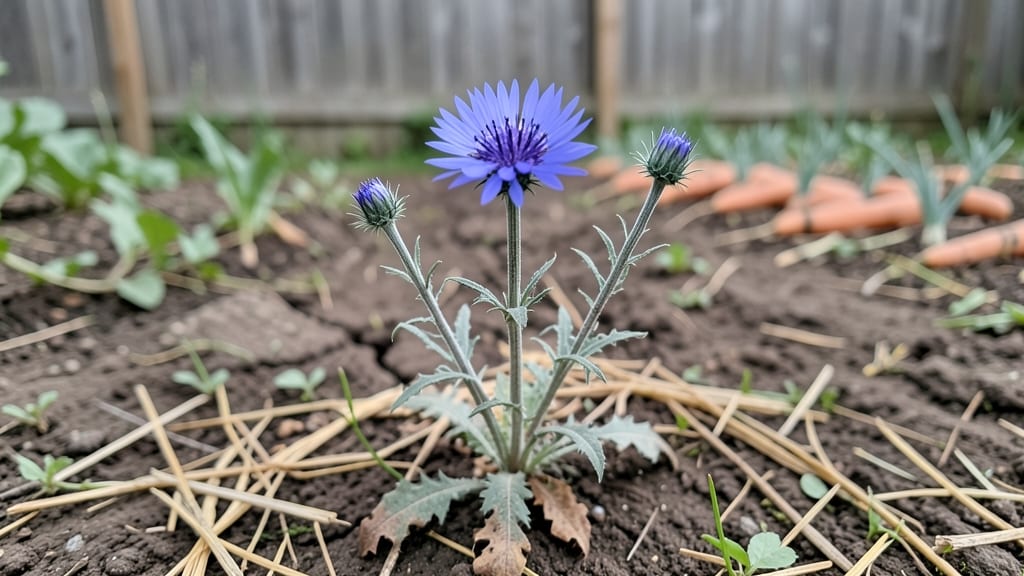
Growing cornflowers in pots is the easiest way to get bold blue blooms that outshine any store-bought bouquet—no garden required. 🌻 I learned the hard way that these tough little flowers thrive in containers, even on my tiny balcony where soil stays dry and roots get crowded.
The secret? A 5-gallon pot with fast-draining mix and morning sun. Within six weeks, you’ll have stems tall enough to cut for vases or let them sway in the breeze all summer.
Start with well-draining potting soil mixed with perlite—cornflowers hate soggy roots. A 6-inch pot works for single plants, but if you’re growing them as cut flowers, opt for 10-12 inches to support their height.
Feed them once a month with diluted fertilizer, and you’ll get nonstop blooms from early summer until frost. The best part? They self-seed, so you’ll have free plants next year if you leave the seed heads.
Watch for drooping leaves—a sign of thirst, not trouble. Let the top inch of soil dry before watering, and pinch back leggy stems to encourage bushier growth.
By midsummer, your pots will be bursting with vibrant blue that attracts bees and hummingbirds. The flowers even dry beautifully for winter arrangements, so you’re never without color.
These plants adapt to partial shade if you’re in a hot climate, though full sun brings the brightest blooms. Use them as edging for patios, window boxes, or even hanging baskets—just avoid overcrowding.
With minimal care, you’ll have cutting garden quality flowers without the fuss of a full plot. Ready to grow yours?
📚 In This Guide
- What you need
- Instructions
- Tips and common mistakes
- Wrapping up and next steps
What you need
- ● Cornflower seeds: Choose a variety like Centaurea cyanus (annual) or Centaurea montana (perennial). Aim for 5-10 seeds per pot (they germinate easily!).
- ● Pots: Use containers 6-12 inches wide with drainage holes. Terra cotta, ceramic, or fabric grow bags work well.
- ● Well-draining potting mix: A blend of 50% garden soil, 30% perlite or sand, and 20% compost keeps roots happy.
- ● Drainage layer: Small pebbles, gravel, or broken pottery shards (1-2 inches) at the pot’s bottom.
- ● Watering can or spray bottle: Gentle watering prevents seed washout.
- ○ Fertilizer (optional but helpful): A balanced, slow-release granular fertilizer (10-10-10) or liquid seaweed extract for a boost.
- ● Mulch: A light layer of orchid bark or straw to retain moisture.
- ● Plant supports: Small stakes or pebbles for tall varieties (e.g., Centaurea montana).
- ● Slow-release moisture beads: Helps maintain hydration in hot climates.
- ● Decorative accents: Painted pots, mosaic tiles, or pebbles for a pop of style!
Step-by-Step guide to growing cornflowers in pots
Here's how I grow these striking blue blooms in containers—no fuss, just bold color all season.
🌱 Step 1: Choose Containers and Prepare the Soil Mix
Cornflowers thrive in well-draining containers at least 6 inches deep with drainage holes. I use 8-inch pots for each plant since they develop strong taproots. Fill the bottom third with gravel or perlite to prevent waterlogging—cornflowers despise soggy roots.
Mix two parts potting soil with one part coarse sand or perlite for that perfect loose, airy texture. This blend mimics their native dry meadow conditions. Moisten the mix until it feels like a wrung-out sponge—damp but not dripping. I always add a slow-release balanced fertilizer (10-10-10) to the soil before planting for steady nutrition.
🌱 Step 2: Plant Seeds at the Right Depth and Spacing
Sow 2-3 seeds per pot at a depth of ¼ inch—any deeper and they'll struggle to emerge. I use my finger to make small holes, drop in the seeds, then cover lightly with additional mix. Press gently but don't compact the soil—cornflower seedlings need room to push through.
Space seeds 1 inch apart to prevent overcrowding. Place the pots in a warm spot (65-75°F) with indirect light until germination. Expect sprouts in 7-14 days—patience is key here. Once seedlings appear, thin to the strongest one per pot. I always keep the extra seedlings to share or replant.
☀️ Step 3: Provide Full Sun and Consistent Watering
Cornflowers demand full sun (6+ hours daily) for those signature blue blooms. Place pots where they'll get morning sun and afternoon light—even partial shade dulls their color. If growing indoors, supplement with a grow light kept 6-12 inches away for 12-14 hours daily.
Water when the top inch of soil feels dry—about once every 5-7 days in summer, less in winter. Let excess water drain completely; these plants hate wet feet. I water at the base to avoid wetting the foliage, which prevents fungal issues. Mulch with ½ inch of gravel around the soil surface to retain moisture and keep roots cool.
✂️ Step 4: Deadhead and Fertilize for Continuous Blooms
Pinch off spent blooms right at the base to encourage more flowers. I do this weekly during peak bloom season—it's the secret to nonstop color. Cornflowers self-seed readily, so I remove any volunteer seedlings from the pot unless I want a denser display next year.
Feed every 4-6 weeks with a low-nitrogen fertilizer (like 5-10-5) to promote flowering over foliage. Too much nitrogen makes them grow leaves instead of those stunning blue blooms. I also rotate pots quarter-turn weekly to ensure even growth—you'll notice stems leaning toward the light if you skip this.
🪴 Step 5: Overwinter and Refresh for Next Season
As temperatures drop below 40°F, move pots to a sheltered spot or indoors near a bright window. Reduce watering to every 10-14 days—just enough to keep soil slightly moist. Cornflowers are surprisingly cold-hardy but appreciate a break from winter rains.
In early spring, trim back any dead growth and refresh the soil with 1 inch of compost. This jumpstarts new growth. I always sow a few fresh seeds in late winter for a head start on the season. With proper care, your pots will burst into color again by late spring.
Tips & tricks for perfect cornflowers in pots
Here's what nobody tells you about growing these vibrant blooms in containers—tricks that'll make your cornflowers thrive like never before.
Soil Texture Secret: The two-part potting soil to one-part sand ratio in Step 1 isn't just about drainage—it's about replicating their native dry meadow habitat. I like to add a handful of orchid bark to the mix for extra aeration. This prevents compaction and gives those deep taproots the room they need to establish properly. If your mix feels too dense, add another 10% perlite before planting.
Germination Game-Changer: Those 7-14 days until sprouts might seem long, but you can cut it down by using a seedling heat mat under your pots during germination. Keep the soil consistently at 75°F—this is the sweet spot for cornflower seeds to wake up faster. Just remove the mat once sprouts appear to avoid leggy seedlings.
Lighting Strategy: The 6+ hours of full sun requirement is non-negotiable, but here's the trick: if you're growing indoors, position your pots south-facing near a window. For supplemental lighting, use a full-spectrum LED grow light kept exactly 6 inches away—closer than 12 inches as mentioned, but with higher intensity LEDs. This gives you the same light quality without the heat issues of traditional bulbs.
Deadheading Discipline: When you pinch off those spent blooms in Step 4, don't just toss them! Collect them in a paper bag and let them dry completely. Once dry, gently rub the bag to collect seeds for next year's planting. This gives you free plants while maintaining that continuous bloom cycle. I've saved seeds from my best-performing plants for years this way.
Pro Tips for Cornflowers In Pots
- Here's what nobody tells you about growing these vibrant blooms in containers—tricks that'll make your cornflowers thrive like never before.
- Soil Texture Secret: The two-part potting soil to one-part sand ratio in Step 1 isn't just about drainage—it's about replicating their native dry meadow habitat.
- Germination Game-Changer: Those 7-14 days until sprouts might seem long, but you can cut it down by using a seedling heat mat under your pots during germination.
Frequently asked questions
Got questions about growing cornflowers in pots?
You’re not alone—these cheerful blue blooms are easy but still spark curiosity! Here are the answers to the most common queries to help you succeed with zero fuss.
Can cornflowers grow in pots year-round, or do they need seasonal adjustments?
Cornflowers thrive in pots year-round in USDA Zones 7-10, but they’re annuals, meaning they’ll self-seed for perennial-like results. In colder zones (below 7), grow them as summer/fall annuals—bring pots indoors before frost or treat them as a winter project in a sunny greenhouse. For winter blooms, opt for hardy varieties like Centaurea cyanus and use well-draining soil with extra perlite.
How often should I water potted cornflowers, and how do I know if they’re thirsty?
Water when the top inch of soil feels dry—usually every 5-7 days, but adjust for heat/wind. Overwatering is the #1 killer! Signs of thirst: drooping leaves (temporary) or crispy edges (too late). Use pots with drainage holes and a saucer to catch excess water. Pro tip: Let them almost dry out between waterings—they’re drought-tolerant once established!
What’s the best soil mix for cornflowers in containers, and can I reuse old potting soil?
Cornflowers love light, gritty soil that drains fast. Mix 50% potting soil with 30% perlite or coarse sand and 20% compost for nutrients. Never reuse old soil—it compacts and holds too much moisture, risking root rot. If repurposing a pot, sterilize it with a 10% bleach solution (rinse well!) and refresh the soil entirely. Bonus: Add a handful of slow-release fertilizer at planting for a low-maintenance boost.
Are cornflowers prone to pests in pots, and how do I keep them away naturally?
Cornflowers are pest-resistant, but aphids or spider mites might visit. Prevent them with:
Growing from seed is easiest and cheapest! Scatter seeds on top of soil (no need to bury deep—they need light to germinate) and keep moist. Germination takes 7-14 days in warm soil (70°F+). Seedlings are hardy, so no need to transplant carefully—just snip crowded sprouts. Pro move: Start seeds indoors 4-6 weeks before your last frost for earlier blooms. Seedlings from nurseries work too but cost more.
If pests strike, blast them off with water or use insecticidal soap. Healthy plants (with good airflow) rarely get severe infestations!
Can I grow cornflowers from seed in pots, or should I buy seedlings?
Wrapping up and next steps
Growing cornflowers in pots is your ticket to effortless, vibrant blue beauty that brightens any space—no green thumb required! 🌸 With the right container, soil, and a little sunlight, these cheerful blooms will reward you with months of color, even in small spaces.
Whether you’re a seasoned gardener or just starting, this low-maintenance plant proves that stunning results don’t need complicated care.
Ready to dive in? Grab your pot, pick your favorite blue hue, and start planting today! Your future self (and your patio) will thank you. 💙