
Flowers
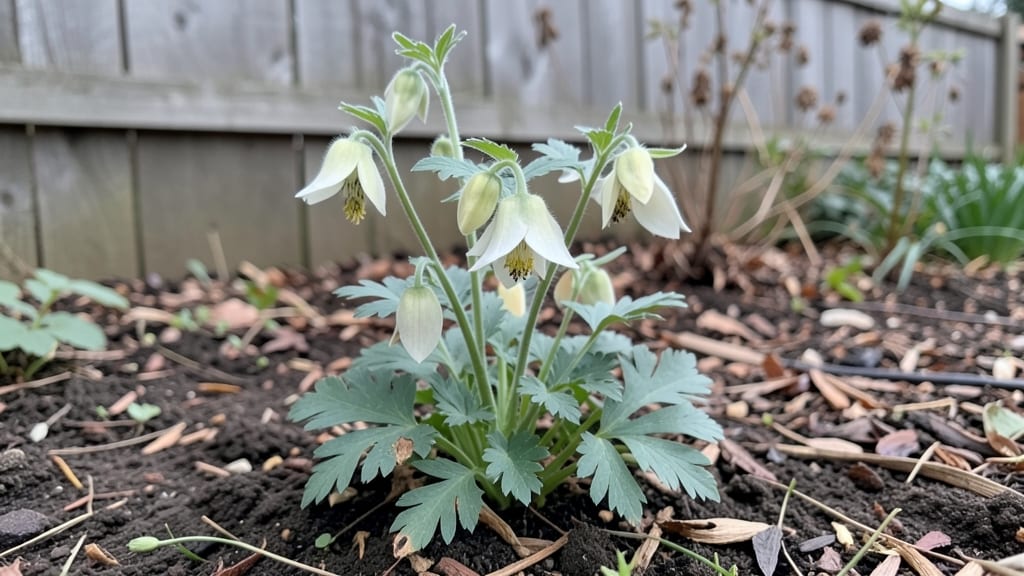
White columbine flowers bring ethereal charm to Pacific Northwest gardens, thriving where many perennials struggle—through frost and damp winters. 🌿 I’ve grown them for years, and their delicate white blooms always feel like a whisper of spring, even when snow lingers nearby.
The secret lies in their native resilience: these plants handle cool climates better than most, making them perfect for zones 3 through 8.
You’ll need partial shade and well-draining soil—no fancy amendments required. Plant seeds or starts in early spring or fall, spacing them 12 to 18 inches apart. Water consistently but avoid soggy soil, which can rot their fussy roots. Once established, they’re surprisingly low-maintenance, blooming reliably from late spring through summer.
What you’ll love most is how they pair with other shade-tolerant plants like ferns, hostas, or bleeding hearts. Their airy stems and nodding flowers create a dreamy, cottage-garden feel without demanding constant attention. Just deadhead spent blooms to encourage more flowers and watch them self-seed for years of effortless beauty.
For Pacific Northwest gardeners, white columbines are a game-changer—they brighten shady spots, attract hummingbirds, and survive winters that would kill tender perennials. Start with a few this season, and you’ll have a frost-proof centerpiece that keeps giving.
📚 In This Guide
- What you need
- Instructions
- Tips and common mistakes
- Wrapping up and next steps
What you need
- ● Columbine Seeds: 10–20 seeds (choose white varieties like Aquilegia caerulea ‘White Swan’ or ‘Snow Queen’ for frost resistance).
- ● Well-draining potting mix: 1–2 gallons (use a blend of peat moss, perlite, and compost for optimal moisture control).
- ● Containers or seed trays: 2–4 small pots (4–6 inches deep) or a seed tray with drainage holes.
- ● Organic fertilizer: Balanced 10-10-10 or slow-release granules (1 tbsp per pot).
- ● Mulch: 1–2 inches of shredded bark or straw (to retain moisture and regulate soil temp).
- ● Garden trowel or small shovel (for transplanting seedlings).
- ● Spray bottle (for gentle watering during germination).
- ● Pruning shears (to deadhead spent blooms and encourage regrowth).
- ○ Gloves (optional but recommended for handling soil and seeds).
- ○ Garden stakes or cages (optional, to support taller varieties like ‘White Fairy’).
- ● Sunlight: Partial shade to full sun (6+ hours of light daily, but protect from harsh afternoon sun in hot summers).
- ● Soil pH: Slightly acidic to neutral (6.0–7.0). Test your soil or amend with lime if needed.
- ● Watering schedule: Keep soil consistently moist (not soggy) during germination and early growth.
- ● Frost tolerance: Columbines thrive in USDA Zones 3–9—perfect for the PNW’s chilly winters! 🥶
Step-by-Step instructions for growing Pacific Northwest columbine
Here's how to cultivate these hardy, frost-resistant beauties with minimal fuss.
🌱 Step 1: Choose the Perfect Planting Site and Prepare Soil
Columbine thrives in partial shade to full sun—ideal for Pacific Northwest gardens where afternoon sun can scorch leaves. I always pick a spot with morning sunlight and dappled shade in the afternoon, especially in hotter microclimates. The soil should drain well but retain moisture; amending with compost improves fertility without making it too rich.
Dig a hole twice as wide as the root ball but only as deep as the container's base. This prevents burying the crown, which causes rot. Loosen the surrounding soil with a garden fork to encourage root spread. Columbine tolerates poor soil but blooms best in slightly acidic to neutral pH (6.0-7.0)—test your soil if you're unsure.
☀️ Step 2: Plant at the Right Time and Depth
In the Pacific Northwest, plant bare-root columbine in early spring (March-April) or fall (September-October) for best establishment. Container-grown plants can go in anytime except during frost. Gently separate roots if clumped, then place the plant so the crown sits just above soil level—never deeper than it was in the container.
Backfill with native soil mixed with compost, tamping lightly to remove air pockets. Water deeply until moisture reaches 6 inches down, then mulch with 2-3 inches of shredded bark to protect roots from winter frost and summer heat. Space plants 18-24 inches apart for full, airy growth—crowding leads to leggy stems and fewer blooms.
💧 Step 3: Water and Fertilize for Strong Growth
Keep soil evenly moist but not soggy during the first growing season. Water once weekly unless rainfall provides 1 inch of moisture—columbine roots rot easily in waterlogged soil. After establishment, it's drought-tolerant but blooms best with consistent moisture. You'll know it's happy when leaves stay deep green and crisp, not yellow or wilted.
Fertilize lightly in early spring with a balanced 10-10-10 formula at half strength. Too much nitrogen produces lush foliage but fewer flowers. I skip fertilizer after midsummer to encourage fall blooming—columbine often puts on a second flush of flowers in autumn. Deadhead spent blooms to prompt more flowers, but leave some seed pods for wildlife.
✂️ Step 4: Prune and Divide for Longevity
Cut back dead or damaged stems in early spring before new growth begins. Never prune into old wood—columbine blooms on new stems, so prune just above a leaf node to encourage fresh growth. If clumps become overcrowded after 3-4 years, divide in early spring by digging up the plant, separating sections with a clean knife, and replanting immediately.
Columbine spreads slowly but can become invasive in ideal conditions. Thin out congested areas to improve airflow, which prevents powdery mildew—a common issue in humid Pacific Northwest summers. Mulch annually with compost to replenish nutrients and keep roots cool. With proper care, these plants live decades, rewarding you with years of low-maintenance beauty.
Tips & tricks for perfect Pacific Northwest columbine cultivation
Here's what I've learned after growing these frost-resistant beauties for years—simple secrets that make all the difference.
Soil Preparation Secret: The key to thriving columbine lies in that perfect soil mix. While these plants tolerate poor soil, I've found they truly shine when you create a custom blend of 60% native soil, 30% compost, and 10% perlite. This combination ensures proper drainage while retaining just enough moisture—critical for preventing root rot in our damp Pacific Northwest climate. Test your soil's pH before planting; if it's below 6.0, add a handful of lime to adjust it to that ideal 6.0-7.0 range.
Planting Depth Technique: In Step 2, when you're planting, resist the urge to bury the crown too deeply—this is where most beginners go wrong. The crown should sit just above soil level, no deeper than it was in the container. I've seen many gardeners bury it too deep, which leads to crown rot. After planting, press down gently around the base to create good soil contact, then water deeply to settle everything. This ensures roots establish quickly in our cool spring soils.
Watering Wisdom: The once-weekly watering guideline in Step 3 works perfectly, but there's a trick to it. Always water deeply until moisture reaches 6 inches down—this encourages deep root growth. In our rainy Pacific Northwest summers, I often reduce watering to every 10-14 days once established, letting nature do most of the work. The secret to knowing when it's time to water? Check the soil 2 inches down—if it's dry, it's time to water.
Pruning Pro Tip: When you're ready to prune in Step 4, use clean, sharp pruners and make cuts at a 45-degree angle just above a leaf node. This angle helps water run off and prevents disease. I always prune on a dry morning when the plants are at their firmest—this gives you the cleanest cuts. For overcrowded plants, divide in early spring when new growth begins; this gives the divided sections plenty of time to establish before our summer heat arrives.
Pro Tips for Columbine White Flower
- Here's what I've learned after growing these frost-resistant beauties for years—simple secrets that make all the difference.
- Soil Preparation Secret: The key to thriving columbine lies in that perfect soil mix.
- Planting Depth Technique: In Step 2, when you're planting, resist the urge to bury the crown too deeply—this is where most beginners go wrong.
Frequently asked questions
Got questions about growing Columbine with those stunning white blooms? You’re in the right place!
Here are answers to the most common queries—from planting tips to troubleshooting—so you can cultivate a thriving garden in the Pacific Northwest’s frosty climate.
Can white columbine survive PNW winters?
White columbine (Aquilegia formosa) is hardy to USDA zones 3-9, making it perfect for the Pacific Northwest’s chilly winters. Its deep roots and frost tolerance let it bounce back year after year. Just mulch lightly in late fall to protect tender roots from extreme cold snaps.
When is the best time to plant white columbine?
Plant in early spring (March–April) or early fall (September–October) for optimal results. Spring planting gives roots time to establish before summer heat, while fall planting allows them to settle before winter dormancy. Avoid planting in peak summer—drought stress can hinder growth.
How do I keep my white columbine blooming all season?
Deadhead spent blooms regularly to encourage continuous flowering from spring to early summer. Ensure partial shade (especially in hot afternoons) and moist, well-draining soil. Over-fertilizing can reduce blooms—opt for a light, balanced fertilizer in early spring instead.
Why aren’t my columbine flowers opening?
Several factors could be at play:
- Too much shade: Columbine needs at least 4–6 hours of sunlight daily.
- Overcrowding: Thin plants if they’re too close together.
- Stress from pests: Check for aphids or spider mites (spray with neem oil if needed).
- Improper watering: Drought or soggy soil can stunt blooms.
Are there white columbine alternatives for pollinators?
If you love white blooms but want to attract more bees and hummingbirds, try:
- Lupinus polyphyllus (white lupine)
- Delphinium elatum (white larkspur)
- Penstemon digitalis (white penstemon)
Wrapping up and next steps
Growing columbine white flowers in the Pacific Northwest isn’t just possible—it’s a rewarding journey that brings frost-resistant beauty to your garden. 🌸 With the right soil, sunlight, and care, these delicate blooms will thrive even in cooler climates.
Whether you’re a seasoned gardener or just starting, your patience will be rewarded with stunning, resilient flowers that attract hummingbirds and butterflies alike.
Ready to take the next step? Start small—plant a few seeds or seedlings this season and watch your garden transform. Share your progress with fellow gardeners or explore more Pacific Northwest-friendly plants to expand your floral haven!