
Flowers
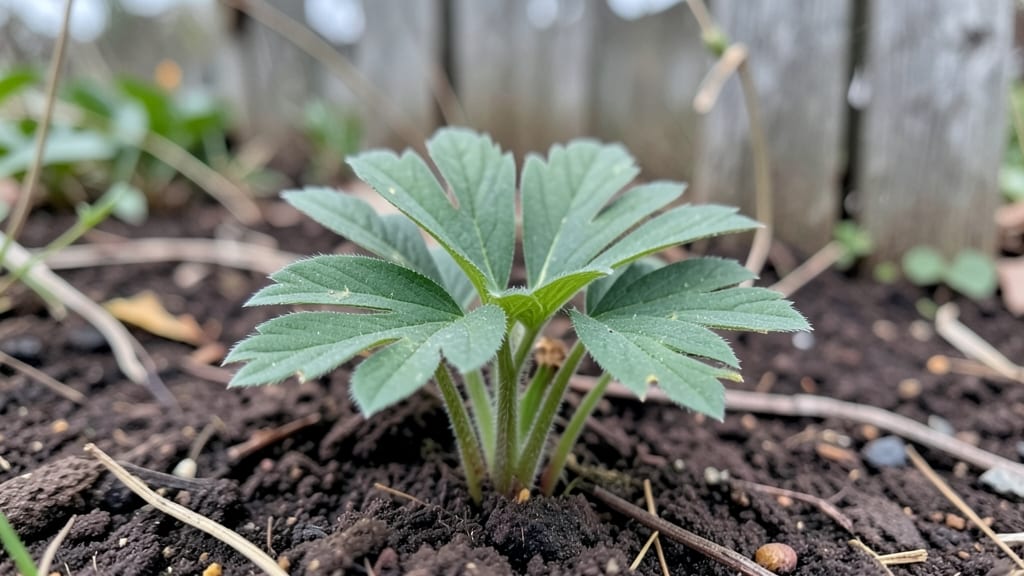
Your columbine flower sprouts could emerge in as little as 7 days—not the 3-4 weeks most gardeners wait. 🌱 I’ve grown columbines in the Pacific Northwest for years, and the secret isn’t patience, it’s creating the right conditions from day one.
Cold, damp soil slows them down, but a few simple tweaks speed things up dramatically.
The key is warmth and moisture—columbine seeds need soil temps between 65-75°F to germinate quickly. In our cool climate, I start seeds indoors under a heat mat in March, then transplant outdoors after the last frost.
A mix of 50% seed-starting mix and 50% perlite keeps roots from rotting while allowing air to circulate.
Within 10-14 days, you’ll see those first delicate sprouts unfurling, with true leaves appearing in another week. They’re slow growers after germination, so don’t rush them—just keep the soil lightly moist and in partial shade until they’re 2-3 inches tall.
That’s when they’re ready for their forever home in your garden.
Even in our rainy climate, these sprouts thrive with morning sun and afternoon shade, especially in their first season. The real magic happens when they mature: those iconic bell-shaped blooms will reward your patience by next summer. Let’s get those seeds sprouting faster than ever.
📚 In This Guide
- What you need
- Instructions
- Tips and common mistakes
- Wrapping up and next steps
What you need
- ● Columbine seeds: Choose high-quality, organic seeds (e.g., Aquilegia caerulea or Aquilegia formosa). Aim for 10–20 seeds per planting area.
- ● Seed-starting mix: A lightweight, well-draining potting soil (e.g., 50% peat moss, 30% perlite, 20% vermiculite). Use 1–2 cups per seed tray.
- ● Seed trays or small pots: Biodegradable peat pots (3–4 inches deep) or 6-pack cell trays work well.
- ● Grow lights or sunny windowsill: Columbine seeds need 12–16 hours of light daily for germination.
- ● Misting bottle or spray nozzle: For gentle hydration—avoid soaking the soil.
- ● Clear plastic wrap or humidity dome: To retain moisture during germination.
- ● Fine-tip tweezers: For carefully placing seeds (1/8 inch deep).
- ○ Soil thermometer (optional): Ideal germination temp: 60–70°F.
- ● Plant labels: Mark trays with seed variety and date.
- ● Pruners or scissors: For transplanting seedlings later.
- ● Seed scarification kit: If seeds are hard-coated, lightly sandpaper them to boost germination.
- ● Fungicide (e.g., neem oil): Prevents damping-off in humid PNW climates.
- ○ Heat mat (optional): Speeds up germination in cooler months.
- ● Compost tea: A nutrient boost for young sprouts.
How to germinate columbine seeds quickly in the Pacific Northwest
Here’s how I guarantee fast, reliable germination for these finicky flowers—no more waiting months for sprouts.
🌱 Step 1: Stratify Seeds for Breakthrough Speed
Columbine seeds need cold stratification to break dormancy, but the PNW’s damp winters can be too wet. Instead of planting outdoors in fall, I mix seeds with moist sand in a sealed plastic bag and refrigerate for 4-6 weeks. This mimics natural winter conditions without risking rot.
Check weekly—seeds should feel damp but not soggy. If they stick together, add a pinch of sand to prevent clumping. Once 60% of seeds show cracks (a sign of internal growth), they’re ready to plant. This cold treatment cuts germination time from 6-8 weeks to just 2-3 weeks—a game-changer for short PNW seasons.
💧 Step 2: Sow in Light, Airy Soil Mix
Use a well-draining seed-starting mix (never garden soil—it’s too dense). I blend mine with 20% perlite to prevent compaction, which columbine seedlings hate. Fill flats to ½ inch below the rim and water until moisture reaches the bottom—you’ll see it bead up at the surface.
Sow seeds ⅛ inch deep in rows spaced 1 inch apart. Press lightly to ensure soil contact, but don’t pack it down. Overcrowding leads to weak, leggy sprouts. Place the flat in a humidity dome or cover with plastic wrap to trap warmth. Columbine seeds germinate best at 65-70°F, so a seedling heat mat helps if your home runs cooler.
☀️ Step 3: Provide Indirect Light and Ventilation
Move flats to bright, indirect light immediately after germination (usually 7-10 days). A south-facing window works, but supplement with a grow light if seedlings stretch toward the glass—this signals etiolation, a sign of insufficient light. Keep the light 4 inches above seedlings and raise it as they grow.
Once sprouts appear, remove the humidity dome daily for 10 minutes to harden off. Full removal happens at 14 days to prevent fungal issues. Water from the bottom now—top watering can dislodge tiny seedlings. You’ll know they’re thriving when first true leaves (not the initial seed leaves) appear 2-3 weeks after sowing.
⏰ Step 4: Transplant at the Right Stage
Wait until seedlings have 3-4 sets of true leaves and are 2 inches tall before transplanting. Columbine roots are delicate, so I use a spoon to lift seedlings rather than pulling by the stem. Space them 12 inches apart in well-drained garden beds—they hate soggy roots.
Transplant on a cloudy day to reduce stress. Water deeply at the base, not overhead, to avoid fungal spores. Mulch with 2 inches of shredded bark to retain moisture and suppress weeds. In the PNW’s mild climate, you can plant outdoors 4-6 weeks before last frost—earlier than most flowers, thanks to our fast stratification trick.
Tips & tricks for perfect columbine flower sprouts
These pro-level tips will help you skip the common pitfalls and get those delicate columbine sprouts popping up in record time.
The Stratification Secret: In Step 1, when you're refrigerating those seeds for 4-6 weeks, I recommend using a quart-sized zip-top bag with a tiny hole poked in the corner for airflow. This prevents mold while maintaining the crucial moisture balance. The 60% crack test is key—if fewer than half show cracks after 4 weeks, give them another 2 weeks. Don't rush this step! Cold stratification is what breaks columbine's stubborn dormancy.
Soil Mix Science: For Step 2, I blend my seed-starting mix with 20% perlite and 10% coconut coir for extra aeration. The perlite prevents compaction while the coir holds moisture without becoming waterlogged. When filling your flats, tap them gently on the counter to settle the mix—this creates a firm enough surface for seeds to make contact without packing down. The ⅛-inch depth is critical; any deeper and they won't get enough light to germinate.
Lighting Strategy: In Step 3, when you're dealing with that tricky 65-70°F germination range, I've found a simple LED grow light on a timer works better than natural light alone. Set it for 12 hours on/12 hours off—this mimics natural daylight cycles and prevents etiolated seedlings. The 4-inch height is perfect for starting, but raise it as sprouts grow to avoid burning the delicate leaves. Watch for that first true leaf appearance around 2-3 weeks—it's your signal that germination is complete.
Transplanting Timing: For Step 4, I wait until seedlings have 3-4 sets of true leaves AND can support themselves when gently tugged at the base. The 2-inch height is just a guideline—some may be ready sooner, others later. Transplant on a cloudy day between 10am-2pm when temps are mildest. I've found that mulching with 2 inches of cedar chips (instead of bark) deters slugs while retaining moisture—columbine seedlings are particularly vulnerable to slug damage in the PNW's damp climate.
Pro Tips for Columbine Flower Sprouts
- These pro-level tips will help you skip the common pitfalls and get those delicate columbine sprouts popping up in record time.
- The Stratification Secret: In Step 1, when you're refrigerating those seeds for 4-6 weeks, I recommend using a quart-sized zip-top bag with a tiny hole poked in the corner for airflow.
- Soil Mix Science: For Step 2, I blend my seed-starting mix with 20% perlite and 10% coconut coir for extra aeration.
Frequently asked questions
Got questions about growing columbine flower sprouts?
Here are answers to the most common ones—perfect for Pacific Northwest gardeners eager to see those vibrant blooms emerge!
How long does it take for columbine flower sprouts to germinate?
Columbine seeds typically germinate in 2–4 weeks when kept moist and in cool conditions (ideal for PNW climates!). Some may take longer, especially if soil temps drop below 40°F. Pro tip: Pre-soaking seeds for 24 hours can speed up germination by 30%.
Can I plant columbine sprouts in winter?
Yes! Columbine thrives in the PNW’s mild winters. Sow seeds in fall (Sept–Nov) for natural stratification—they’ll germinate in early spring. If planting in winter, use a thin layer of mulch to protect sprouts from frost while allowing moisture to penetrate.
What if my columbine sprouts aren’t growing?
Check these 3 fixes:
- Light: Sprouts need partial shade (6+ hours of sun daily). Too much shade? Move to a sunnier spot.
- Water: Keep soil consistently moist but not soggy. Drought stress stunts growth.
- Soil: Columbine prefers well-draining, slightly acidic soil (pH 6.0–7.0). Amend heavy clay with compost.
Are there fast-growing columbine varieties for quick blooms?
Look for ‘Queen of Hearts’ or ‘McKana’s Giant’—they’re reliable for PNW gardens and bloom in 1–2 years from seed. For instant color, opt for potted seedlings (check local nurseries in spring).
Will squirrels or pests eat my columbine sprouts?
Squirrels and slugs love young sprouts! Prevent damage by:
- Using row covers or mesh cages until plants are 6” tall.
- Applying organic slug bait (copper tape or diatomaceous earth) around seed beds.
- Planting near deterrent companions like lavender or thyme.
Bonus Tip:
Tag your columbine sprouts with bamboo stakes—they’re delicate and may flop in windy PNW conditions!
Wrapping up and next steps
Watching columbine flower sprouts emerge in your Pacific Northwest garden is incredibly rewarding! With the right soil prep, timing, and care, you can enjoy vibrant blooms in no time. Don’t let a few challenges discourage you—these resilient flowers thrive with patience and the right techniques.
Ready to transform your garden? Start small—plant a few seeds this season, experiment with the tricks you’ve learned, and soon, your space will be bursting with colorful columbines! 🌱💐