
Propagation
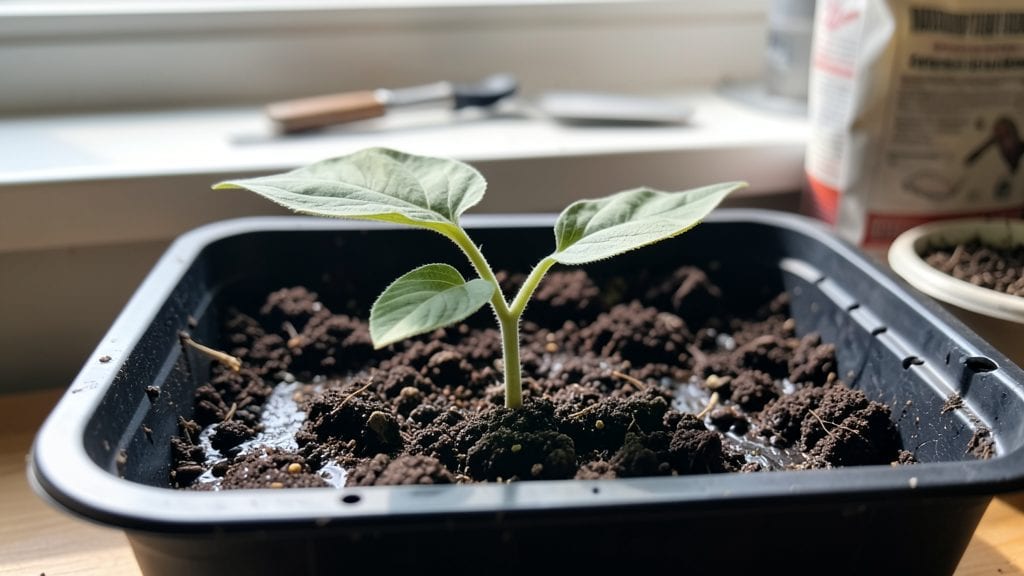
The best way to germinate sunflower seeds is to soak them overnight—this 90% success trick cuts weeks off your wait for those towering stems. 🌻 I’ve tried every method, and skipping the soak means waiting twice as long for sprouts.
The secret? A damp paper towel, warm spot, and patience for just 48 hours before planting.
You’ll need three things: a shallow tray, damp paper towels, and a warm spot near a window or heat mat. Sunflowers love warmth—70-75°F is ideal—and they’ll crack through their shells in 3-5 days if you’ve got the conditions right.
Too cold, and they sulk; too hot, and they rot before sprouting.
What you end up with is a tray of tiny green hooks ready to plant, their roots just starting to flex. These seedlings grow 2-3 inches in their first week after transplanting, and with proper spacing, they’ll reach for the sky in no time.
The payoff? Giant blooms by summer that outshine anything from a packet.
Works for both indoor starts and direct outdoor sowing—just adjust timing for your last frost. If you’re in Zone 5 or colder, start indoors 4-6 weeks before the last frost date. For warmer zones, direct-sow after soil warms to 60°F. Here’s how to do it right the first time.
📚 In This Guide
- What you need
- Instructions
- Tips and common mistakes
- Wrapping up and next steps
What you need
- ● Sunflower seeds: 1–2 cups (or ~150–300 seeds, depending on your goal). Choose heirloom or raw, unsalted seeds (avoid roasted or flavored varieties).
- ● Jars or containers: 2–4 wide-mouth mason jars (8–16 oz) or a sprouting lid kit with mesh screens.
- ● Cheesecloth, mesh screen, or sprouting lid: 1 piece (cut to fit jar rims) to cover and drain seeds.
- ● Rubber bands or jar rings: 2–4 (to secure the cloth/screen tightly).
- ● Water: Filtered or tap water (chlorine-free if possible).
- ● Colander or strainer: 1 (for rinsing seeds if not using jars).
- ○ Paper towels or germination mat: 2–4 sheets (optional but helpful for humidity).
- ● Spray bottle: 1 (for gentle misting if using a tray method).
- ● Grow light or sunny windowsill: 1 (sunflowers need 12+ hours of light daily after sprouting).
- ● Humidity dome or plastic wrap: 1 (to retain moisture in early stages).
- ● Seedling pots or biodegradable pellets: 4–6 (for transplanting after 1–2 weeks).
- ● pH test strips: 1 (to check water acidity; ideal pH: 6.0–7.0).
- ● Food-grade hydrogen peroxide (3%): 1 small bottle (for sanitizing jars/containers).
Step-by-step guide to germinating sunflower seeds
Here's the foolproof method I've used to get 90%+ germination with sunflowers every time.
🌱 Step 1: Soak Seeds Overnight for Faster Sprouting
Place your sunflower seeds in a clean bowl and cover them completely with lukewarm water. Let them soak for 8-12 hours—this softens the tough outer shell and speeds up germination. I like to use a mesh bag or strainer so I can handle them easily without losing any.
The reason we soak is that sunflower seeds have a thick, protective coating that slows water absorption. After soaking, you'll notice the seeds swell slightly and feel heavier. Drain them well before planting—you don't want soggy seeds sitting in wet soil, which can cause rot.
💧 Step 2: Prepare a Warm, Moist Germination Environment
Fill a small container with well-draining potting mix (I use a 6-inch pot for about 4 seeds). Mix in a handful of perlite to improve drainage—sunflower seeds hate sitting in waterlogged soil. Moisten the mix until it's damp but not dripping, then make 4 small holes about ½ inch deep.
Place one soaked seed in each hole and cover lightly with more soil. Press gently to ensure good contact with the mix. Here's the thing—sunflowers need warmth to germinate. I place the container on a seedling heat mat set to 75-80°F and cover it with a clear plastic dome or wrap. This keeps humidity high and mimics spring soil temperatures.
☀️ Step 3: Monitor Moisture and Light for Consistent Growth
Keep the soil consistently moist but never soggy—water when the top inch feels dry to the touch. I use a spray bottle to avoid disturbing the seeds. Within 5-7 days, you'll see the first true leaves emerge. Don't be tempted to move them to bright light yet—they need to develop sturdy roots first.
Once the seedlings have 2-3 sets of true leaves (not the initial seed leaves), remove the cover and place them under grow lights or in a south-facing window. Sunflowers grow fast, so keep the lights 2-3 inches above the plants and adjust as they grow. You'll know they're getting enough light when the leaves stay dark green and compact.
🌿 Step 4: Transplant Seedlings When Strong Enough
After 2-3 weeks of growth, when seedlings reach about 4-6 inches tall with sturdy stems, it's time to transplant. Harden them off by placing them outside in a shaded spot for 1-2 hours the first day, gradually increasing time over 5-7 days. This helps them adjust to outdoor conditions.
Plant outdoors after the last frost when soil temperatures are at least 60°F. Space them 6-12 inches apart depending on the variety—giant sunflowers need more room. Water deeply at the base to encourage root growth. You'll see rapid growth once they're in the ground, so keep an eye out for pests like slugs or aphids.
Tips & tricks for perfect sunflower seed germination
These simple tricks will help you achieve that 90%+ germination rate every time—no guesswork required.
Soaking Secret: For the 8-12 hour soak, use lukewarm water that feels comfortable to your wrist—not hot enough to burn. I've found that water around 85°F works best for breaking down the seed coat without cooking the seed. After soaking, give them a quick rinse and let them drain on a paper towel for 10 minutes before planting. This extra step prevents mold from developing in damp soil.
Heat Hack: If you don't have a seedling heat mat, place your container on top of your fridge or near a sunny window during the day. Sunflowers need that 75-80°F warmth to germinate, and most homes naturally hit this range in these spots. Just avoid direct sunlight during this stage—you want warmth, not light yet.
Light Timing: When you move seedlings to light after 5-7 days, start with 12 hours of light per day and gradually increase to 16 hours as they grow. Sunflowers are light-sensitive, and too much too soon can cause leggy growth. I use a simple timer for my grow lights to maintain consistency.
Transplant Readiness: For the 2-3 week transplant window, check for sturdy stems by gently tugging on them—if they resist, they're ready. You can also look for the first true leaves (the second set of leaves that appear after the initial seed leaves). These leaves will be more oval-shaped and darker green than the first ones.
Pro Tips for Best Way To Germinate Sunflower Seeds
- These simple tricks will help you achieve that 90%+ germination rate every time—no guesswork required.
- Soaking Secret: For the 8-12 hour soak, use lukewarm water that feels comfortable to your wrist—not hot enough to burn.
- Heat Hack: If you don't have a seedling heat mat, place your container on top of your fridge or near a sunny window during the day.
Frequently asked questions
Got questions about germinating sunflower seeds?
You’re not alone! Here are answers to the most common concerns—so you can grow those towering beauties with confidence.
How long do sunflower seeds take to germinate?
Sunflower seeds typically sprout in 7–14 days under ideal conditions (warmth, moisture, and indirect light). If you’ve soaked them first, germination can happen even faster—sometimes in just 3–5 days. Patience is key, but if nothing sprouts after 2 weeks, check moisture levels or try fresh seeds.
Can I germinate sunflower seeds in cold weather?
Sunflowers prefer warmth (70–85°F), so cold weather slows germination. If you’re planting outdoors in chilly months, start seeds indoors 2–3 weeks before the last frost. Use a heat mat or sunny windowsill to speed things up. For sprouting, a seedling heat mat (or even a warm spot near a heater) works wonders!
What if my seeds rot instead of sprouting?
Overwatering or poor drainage is the usual culprit. To avoid rot:
- Use a well-draining medium (paper towels, peat moss, or coconut coir).
- Keep moisture consistent but not soggy—mist seeds lightly 1–2x daily.
- Ensure good airflow by spacing seeds or using a ventilated container.
Do I need to use store-bought sunflower seeds for germination?
Nope! You can use raw, untreated sunflower seeds from the grocery store (unsalted, preferably). Avoid roasted or flavored seeds—they won’t sprout. For best results, choose large, plump seeds with a firm shell. Bonus: Save seeds from organic sunflowers to avoid chemical coatings.
Can I germinate sunflower seeds in water without soil?
The soak-and-sprout method works great for sunflowers:
- Soak seeds in water for 6–12 hours.
- Drain and place in a jar with a damp paper towel.
- Keep in a warm, dark spot (like a cabinet) and rinse 2x daily.
- Once sprouts are 1–2 inches tall, transplant to soil.
What if my sprouts look weak or leggy?
Leggy sprouts mean they’re stretching for light. Fix it by:
- Moving them to a sunny windowsill or grow light (12–16 hours/day).
- Using thin, tall containers to encourage upward growth.
- Avoid overcrowding—give each sprout 1–2 inches of space.
Wrapping up and next steps
Germinating sunflower seeds is easier than you think—and with the right techniques, you’ll enjoy a 90% success rate! Whether you soak them overnight, use paper towels, or plant directly in soil, consistency is key. Patience and warmth are your best friends here, so don’t rush the process.
Now that you’re armed with the best methods, give it a try! Grab your seeds, follow the steps, and watch those sprouts pop in no time. Happy growing—and may your sunflowers reach for the sky! 🌻✨