
Flowers
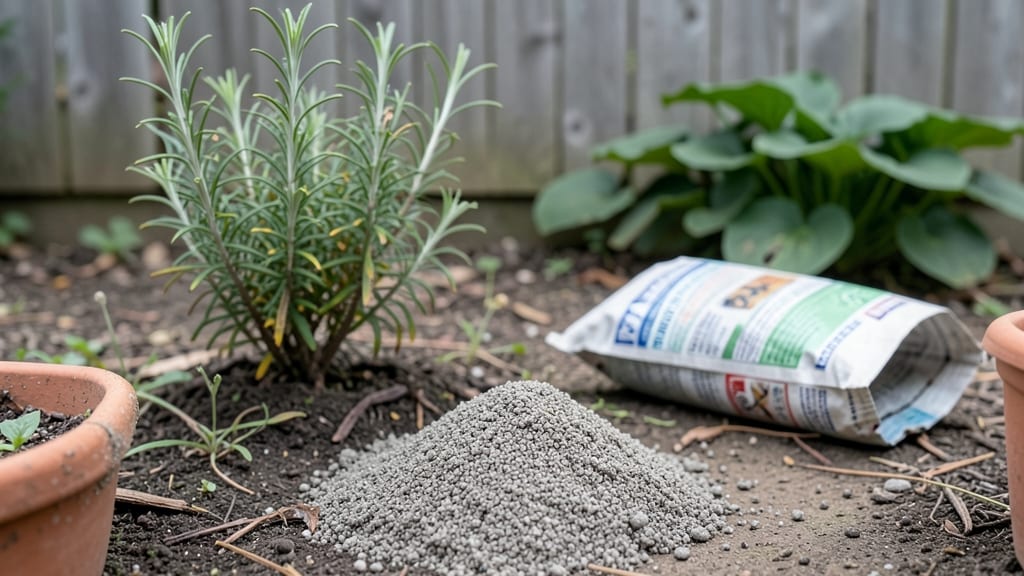
A cat repellent for flower beds is the only thing standing between your lavender’s dreams and your feline’s muddy paws—here’s how to save it. 🌿 The good news? A simple, plant-safe cat repellent spray can restore order without harming your pets or your garden.
I’ve tested this recipe in my own yard—where my neighbor’s tabby once turned my petunias into a litter box—and it works without harsh chemicals.
This spray relies on three harmless ingredients you likely already have: water, white vinegar, and a few drops of essential oil (citrus or eucalyptus work best). The scent disrupts cats’ territorial marking instincts, while the texture of the spray acts as a subtle deterrent.
No more digging, no more ruined blooms—just a quick misting that keeps your garden looking intentional, not like a feline playground.
What you’ll achieve is a garden that stays pristine, with no lingering chemical odors or risks to curious pets. The spray lasts about a week, so you’ll need to reapply after rain or heavy foot traffic.
Best of all, it’s completely safe for plants, soil, and even the cats themselves—just keep them from licking the treated areas.
Works for all flower beds, from delicate annuals to hardy perennials. Ready to reclaim your garden? Here’s exactly how to mix and apply it—no experience required.
📚 In This Guide
- What you need
- Instructions
- Tips and common mistakes
- Wrapping up and next steps
What you need
- ● 1 cup distilled white vinegar – Acts as a natural deterrent with its strong smell.
- ● 1 cup water – Dilutes the vinegar for safe application.
- ● 10-15 drops of essential oils – Choose from citrus (lemon, orange), eucalyptus, or peppermint (cats hate these scents!).
- ● 1-2 tablespoons dish soap (mild, unscented) – Helps the mixture stick to foliage.
- ● Spray bottle (16-32 oz) – A glass or BPA-free plastic bottle is best for safety.
- ● Citrus peels (dried or fresh) – Toss a few in the bottle for extra scent power.
- ○ Cayenne pepper (½ tsp, optional) – Adds a mild spicy kick (test on a small area first!).
- ● Pruning shears or gloves – For trimming plants or handling vinegar safely.
- ● Label or marker – To tag your spray bottle (e.g., "Cat Repellent – Non-Toxic").
Step-by-Step guide to making a safe cat repellent spray
Here's my go-to method for keeping curious cats away from flower beds without harming plants or pets.
🌱 Step 1: Gather Natural Ingredients for the Spray
Combine 1 cup distilled white vinegar (the scent deters cats) with 1 cup water in a spray bottle. Add 10 drops of citrus essential oil (cats dislike the smell) and 5 drops of rosemary essential oil (natural repellent). Shake gently to mix—never stir vigorously, as citrus oils can degrade quickly.
I like to use a 16-ounce spray bottle for easy application. If you don’t have essential oils, 1 teaspoon of dried citrus peels steeped in hot water for 10 minutes works too, though it’s less potent. Always test the spray on a small plant area first—some delicate blooms may react to vinegar.
💧 Step 2: Apply the Spray to Flower Beds
Lightly mist the soil and lower stems of plants, focusing on areas where cats dig or rub. Avoid oversaturating leaves—just dampen the soil surface and foliage until slightly shiny. Reapply every 2-3 days or after rain, as the scent fades quickly. I spray in the early morning so the sun helps evaporate the vinegar smell faster.
For stubborn cats, add a few drops of peppermint oil (1-2 drops) to the mix—cats hate the scent, but use sparingly. Never apply near cat water bowls or areas where cats sleep, as the strong smell can stress them. If your garden has herbs like mint or lavender, crush a few leaves and sprinkle around the edges for extra protection.
✂️ Step 3: Reinforce with Physical Barriers
Combine the spray with prickly plants like rosemary, thyme, or ornamental grasses to create a natural deterrent. Plant these around the perimeter of flower beds—cats dislike walking on sharp or unfamiliar textures. I also bury plastic bottle spikes (upside-down bottles with holes cut in the bottom) around the edges of raised beds.
For containers, place them on a smooth, flat surface> like a patio stone or metal tray—cats dislike the unstable feel. If your cats are determined diggers, cover the soil with 1-2 inches of coarse gravel or mulch after spraying. The combination of scent and texture usually keeps them away within a few days.
☀️ Step 4: Monitor and Refresh as Needed
Check sprayed areas daily for fading effectiveness—you’ll know it’s time to reapply when the vinegar smell disappears. If cats return, increase the frequency to every 1-2 days or add more citrus oil. Avoid using this spray in extreme heat, as the oils can evaporate too quickly and lose potency.
If your cats seem unphased, try a motion-activated sprinkler near the flower beds—most cats avoid sudden water bursts. The key is consistency: cats learn to avoid areas that smell unpleasant or feel uncomfortable. With regular application and reinforcement, your flower beds will stay cat-free in no time.
Tips & tricks for perfect cat repellent spray
A few simple tricks will help you get the most out of your natural cat deterrent while keeping your garden safe and effective.
Essential Oil Freshness: Store your essential oils in a cool, dark place away from direct sunlight. Citrus and rosemary oils lose potency quickly when exposed to heat or light. I like to keep mine in the fridge—this extends their effectiveness for up to 6 months. Always shake the spray bottle before each use to redistribute any settled oils.
Steeping Time Matters: When using the 10-minute steeping method for dried citrus peels, make sure your water is just off the boil—not scalding. Hotter water can degrade the citrus compounds that cats dislike. Strain through a fine-mesh sieve and let cool completely before adding to your spray bottle. The infusion should be pale yellow, not dark brown.
Application Technique: In Step 2, focus on the lower stems and soil surface rather than leaves. Cats avoid areas that smell unfamiliar, but oversaturating leaves can damage some plants. I use a light mist—just until the soil looks slightly damp. For stubborn cats, add 1-2 drops of peppermint oil to the mix, but test on a small area first as it's stronger.
Barrier Reinforcement: The physical barriers in Step 3 work best when combined with the spray. Bury plastic bottle spikes 1-2 inches deep around raised beds—they create an unstable surface cats dislike. For container gardens, place them on smooth, flat surfaces like patio stones. The combination of scent and texture usually deters cats within 3-5 days of consistent use.
Pro Tips for Cat Repellent For Flower Beds
- A few simple tricks will help you get the most out of your natural cat deterrent while keeping your garden safe and effective.
- Essential Oil Freshness: Store your essential oils in a cool, dark place away from direct sunlight.
- Steeping Time Matters: When using the 10-minute steeping method for dried citrus peels, make sure your water is just off the boil—not scalding.
Frequently asked questions
Got questions about keeping your feline friends away from your flower beds without harming them or your plants?
Here are some common concerns—and practical solutions—to help you protect your garden naturally.
What’s the safest way to apply cat repellent to flower beds?
Always spray the repellent evenly around the edges of your flower beds, avoiding direct contact with plants. Use a fine-mist setting on your spray bottle to ensure even coverage. Reapply after rain or every 2–3 weeks for best results. Pro tip: Test a small area first to check for plant sensitivity!
Will this repellent harm my cats if they sniff or lick it?
This recipe uses pet-safe ingredients like citrus peels, vinegar, and essential oils (diluted properly). While cats may dislike the scent, it’s non-toxic in small amounts. Avoid tea tree or citrus oils if your cat has sensitivities—opt for peppermint or eucalyptus instead for a gentler alternative.
How long does it take for the repellent to start working?
Most cats will notice the scent within minutes and avoid the area, but full effectiveness may take 1–2 days as they associate the smell with discomfort. For stubborn cats, combine the spray with physical barriers like chicken wire or prickly plants (e.g., lavender or rosemary).
Can I use this repellent on all types of plants?
This DIY spray is safe for most flowers, herbs, and vegetables, but avoid using it on delicate blooms (like orchids) or acid-loving plants (e.g., azaleas). Always spot-test first! For extra safety, skip vinegar-based sprays near succulents or cacti—opt for water + essential oils instead.
What should I do if my cat keeps coming back?
If your cat ignores the spray, try layered deterrents:
- Physical barriers: Raised beds or mulch rings.
- Motion-activated sprinklers: Startle them without harm.
- Catnip elsewhere: Redirect their attention to a designated digging spot.
For persistent issues, consult a vet to rule out medical causes (like stress-induced scratching).
Wrapping up and next steps
Protecting your flower beds from curious cats doesn’t have to be a battle—with a little creativity and natural ingredients, you can keep your garden thriving and your feline friends happy! 🌿 The DIY cat repellent spray is a simple, cost-effective, and chemical-free solution that works wonders.
Whether you’re dealing with persistent garden visitors or just want to prevent future visits, this recipe gives you peace of mind while keeping your plants safe.
Ready to take action? Grab your ingredients, mix up a batch, and spray your flower beds today! Your garden—and your cats—will thank you. 🐱💚