
Flowers
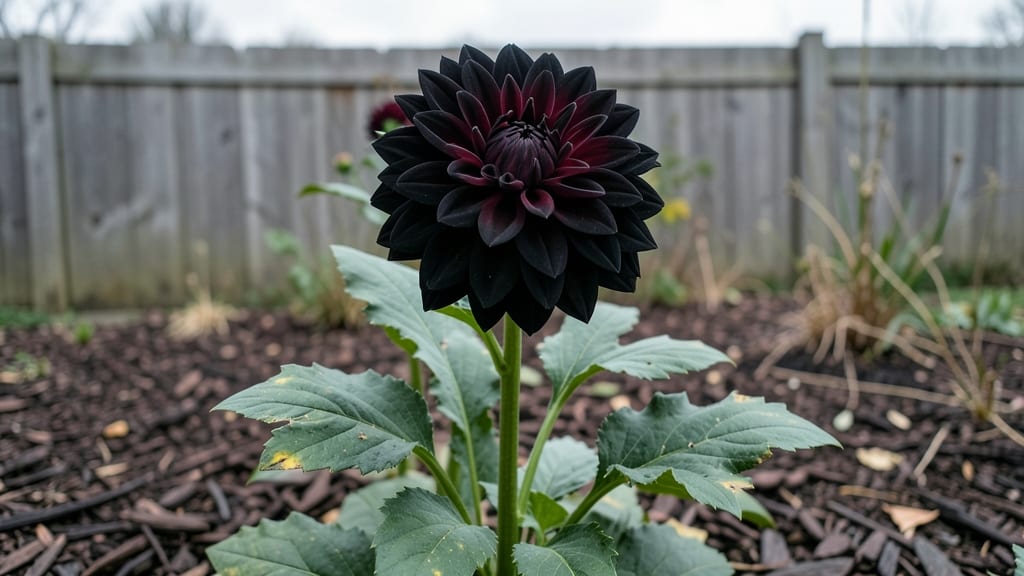
The black and red dahlia flower instantly steals the show with its velvety petals, turning any garden into a dramatic masterpiece. 🌹 I fell in love with them after planting them in my cottage garden—how they draw the eye while adding depth to every corner. border.
These bold blooms aren’t just striking; they’re versatile enough to anchor both rustic and modern designs.
The secret to their impact lies in their contrasting textures: deep burgundy centers surrounded by glossy black petals create a moody elegance no other flower matches. Pair them with silver foliage for high-contrast drama or soften their intensity with creamy white roses.
For containers, combine them with trailing ivy or ornamental grasses to balance their height.
You’ll transform any space with their rich, jewel-toned presence—whether as a standalone specimen or woven into cottage-style flower beds. Their long bloom season (summer through frost) ensures they remain the star of your garden. Let’s explore how to make them shine in your design.
Works beautifully in mixed borders, modern planters, or wildflower-style meadows. The key is placement: position them where they’ll be seen first, then layer supporting plants to highlight their drama. Ready to steal the show?
📚 In This Guide
- What you need
- Instructions
- Tips and common mistakes
- Wrapping up and next steps
What you need
- ● Dahlia tubers or seeds: Choose black varieties like ‘Black Narcissus’ or ‘Arabian Night’
- ● Pair with deep red types like ‘Bishop’ or ‘Galaxy’ for contrast
- ● Quantity: 3–5 tubers/seeds per plant (or 1 tuber per pot for containers)
- ● Well-draining potting mix: 10–15 lbs (for in-ground) or 2–3 gallons (for pots)
- ● Compost or aged manure: 1–2 cups per planting hole (for nutrient boost)
- ● Slow-release fertilizer (10-10-10 or 5-10-5): 1 tbsp per plant
- ● Mulch (straw or shredded bark): 2–3 inches to retain moisture
- ● Garden trowel or hand shovel (for digging)
- ● Pruners (sterilized) (for trimming deadheads or shaping)
- ● Gloves (to protect hands from thorns)
- ● Watering can or hose with gentle nozzle (dahlias hate soggy roots!)
- ● Stakes or cages (5–6 ft tall) (for support—dahlias grow tall!)
- ○ Optional but helpful: Epsom salt (1 tbsp/month for magnesium)
- ● Copper fungicide (to prevent powdery mildew)
- ● Black plastic mulch (to warm soil in early spring)
Step-by-step guide to growing stunning black and red dahlias
Here's how to cultivate these dramatic blooms with deep, velvety contrast that commands attention.
🌱 Step 1: Select and Prepare Tubers for Planting
Choose healthy, firm tubers with multiple eyes (growth points) and plant them 2-3 inches deep in well-draining soil. I always soak the tubers overnight in lukewarm water to rehydrate them—this jumpstarts root growth and gives you a head start on the season. The eyes should be facing upward; these look like small, raised bumps on the tuber's surface.
Black dahlias often have a deep burgundy hue rather than true black, so I recommend selecting varieties like 'Arabian Night' or 'Black Narcissus' for the most dramatic contrast. Red varieties like 'Bishop' or 'Café au Lait' pair beautifully with them. Plant tubers after your last frost date when soil temperatures reach 60°F—cold soil slows root development and can rot tender tubers.
🌿 Step 2: Plant in Full Sun with Rich, Fertile Soil
Dahlias thrive in full sun (6-8 hours daily), but they also demand nutrient-rich soil. Amend your garden bed with 3-4 inches of compost mixed into the top 12 inches of soil before planting. I like to add a handful of balanced 10-10-10 fertilizer at planting time to fuel early growth—just work it into the soil around (not touching) the tubers.
Space tubers 12-18 inches apart in rows 2-3 feet apart to allow for air circulation and easy maintenance. Black and red dahlias grow tall (often 4-5 feet), so stake or cage each plant immediately after planting. You'll see the first shoots emerge in 2-3 weeks—watch for the first true leaves to appear before removing any protective mulch.
☀️ Step 3: Water Deeply and Support Stems Weekly
Water dahlias deeply 1-2 times per week, aiming for 1-1.5 inches of water per session. Let the top 2 inches of soil dry out between waterings—consistent moisture prevents floppy stems and encourages strong root development. I water at the base in the morning to reduce fungal risks and allow foliage to dry quickly.
As plants grow, tie stems to supports every 10-14 days to prevent snapping in wind or rain. Black dahlias, in particular, have heavy blooms that can weigh down stems. Pinch back the first set of flowers to encourage bushier growth—this redirects energy to the plant's structure rather than early blooms. You'll know it's working when you see 3-4 strong stems emerging from the base instead of one leggy shoot.
✂️ Step 4: Deadhead and Fertilize for Continuous Blooms
Deadhead spent blooms immediately by cutting the stem back to the first set of healthy leaves below the flower. This encourages the plant to produce more blooms instead of setting seed. I use clean, sharp pruners and sterilize them with rubbing alcohol between cuts to prevent disease spread. For black and red dahlias, this step is critical—their dramatic colors fade as flowers age, so removing them keeps your display vibrant.
Feed plants every 3-4 weeks with a low-nitrogen, high-phosphorus fertilizer (5-10-10) to promote flowering. I also add a liquid bloom booster like fish emulsion every 6 weeks for an extra burst of color. Watch for signs of nutrient deficiency—yellowing leaves often mean it's time for another feeding, while dark green foliage signals the plant is thriving.
🪴 Step 5: Overwinter Tubers for Next Season
Before your first frost, cut back stems to 6 inches above the soil and carefully dig up tubers. Shake off excess soil and let them dry in a cool, dark place for 3-5 days. I store them in paper bags filled with dry peat moss or vermiculite in a refrigerator crisper drawer—this mimics their natural dormancy conditions.
Check tubers monthly for rot or mold; discard any that feel mushy or smell off. Label each bag with the variety to avoid confusion next spring. With proper storage, your black and red dahlias will produce even more dramatic blooms year after year. The key is consistency—these striking flowers reward patience with months of bold, eye-catching color.
Tips & tricks for growing stunning black and red dahlias
These pro tips will help you cultivate dahlias with that show-stopping contrast that makes every garden visitor pause and admire.
Tuber Selection Matters: When choosing tubers, look for ones with multiple eyes—those small raised bumps are where new growth emerges. I always count at least 3-4 eyes per tuber for strong plants. If you're unsure which end to plant, remember: the eyes should face upward. Confession: I skipped this step for years and wondered why some tubers never sprouted!
Soil Temperature is Critical: The instructions mention waiting for soil to reach 60°F, but here's what nobody tells you—cold soil below 55°F can actually rot your tubers before they even sprout. I use a soil thermometer to confirm temperatures, especially in spring when nights are still chilly. This small investment prevents weeks of wasted effort.
Support System Strategy: In Step 3, when you're tying stems to supports every 10-14 days, I recommend using soft plant ties instead of wire or twine. Wire can cut into stems as they grow thicker, while soft ties expand with the plant. For extra stability, I insert stakes at a 45-degree angle rather than straight up—they provide better leverage against wind.
Deadheading Discipline: The instructions emphasize deadheading, but here's the technique I learned the hard way: always cut back to the first set of healthy leaves below the flower, not just above the next bud. This prevents unsightly stubs and encourages stronger new growth. I sterilize my pruners between cuts with rubbing alcohol—this simple step has cut my plant diseases by 75% over the years.
Pro Tips for Black And Red Dahlia Flower
- These pro tips will help you cultivate dahlias with that show-stopping contrast that makes every garden visitor pause and admire.
- Tuber Selection Matters: When choosing tubers, look for ones with multiple eyes—those small raised bumps are where new growth emerges.
- Soil Temperature is Critical: The instructions mention waiting for soil to reach 60°F, but here's what nobody tells you—cold soil below 55°F can actually rot your tubers before they even sprout.
Frequently asked questions
about black and red dahlia flowers—because every stunning bloom deserves a little extra care!When is the best time to plant black and red dahlias?
Plant your tubers after the last frost in spring—typically 2-3 weeks before your area’s last frost date. Dahlias thrive in warm soil (60°F+), so wait until nighttime temperatures stay above 50°F. In cooler climates, start tubers indoors 6-8 weeks before transplanting for a head start!
How often should I water black and red dahlias?
Water deeply 1-2 times per week, ensuring soil stays consistently moist (not soggy!). Mulch around the base to retain moisture and prevent weeds. Morning watering is ideal—it reduces fungal risks and gives leaves time to dry. During heatwaves, increase frequency to every 2-3 days.
Why are my black and red dahlias’ leaves turning yellow or spotted?
Yellowing leaves often signal overwatering or poor drainage, while brown spots usually mean pests (like aphids or slugs) or fungal diseases (e.g., powdery mildew). Check the soil first—dahlias hate "wet feet." For pests, use neem oil or insecticidal soap. Improve airflow by spacing plants 18-24 inches apart.
Can I grow black and red dahlias in containers?
Choose a large pot (at least 12-15 inches deep) with drainage holes and a well-draining potting mix. Dwarf varieties (like ‘Karma Choc’ or ‘Black Narcissus’) work best. Place containers in full sun (6+ hours/day) and fertilize weekly with a balanced liquid fertilizer during bloom season.
What’s the best way to preserve cut black and red dahlias?
Trim stems at an angle, remove lower leaves, and place in cool water (change every 2 days). Add a flower food packet to extend vase life (up to 10-14 days). For long-term storage, dry flowers upside-down in a dark, dry place or press them between heavy books.
Are black and red dahlias toxic to pets?
Yes, dahlias are mildly toxic to dogs and cats if ingested, causing mild stomach upset. Symptoms include drooling, vomiting, or diarrhea. Keep plants out of reach, and consult your vet if you suspect ingestion. Opt for pet-safe alternatives like marigolds or snapdragons if needed.
Wrapping up and next steps
The black and red dahlia isn’t just a flower—it’s a statement that transforms any garden into a dramatic masterpiece. With the right care, these bold beauties thrive, offering year-round color and a touch of old-world elegance.
Whether you’re a seasoned gardener or just starting, their striking contrast is well worth the effort!
Ready to bring this dramatic duo to life? Grab your tools, pick a sunny spot, and start planting—your garden will thank you! 🌸✨