
Shrubs
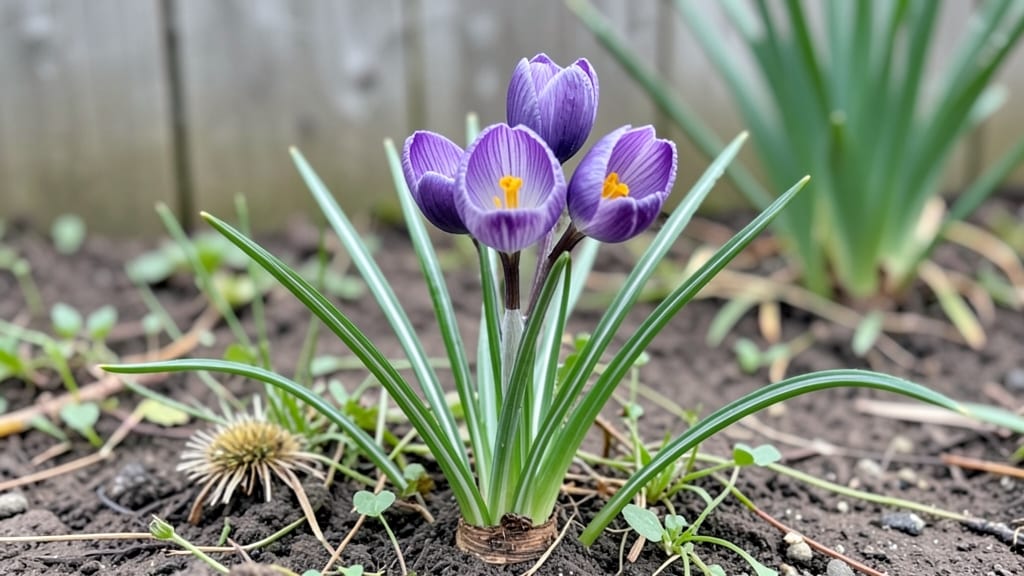
Autumn flowering crocus blooms in late summer when most gardens have gone quiet. 🌿 These purple stars transform Pacific Northwest landscapes just as the air turns crisp, offering color when other perennials fade.
The secret to their success lies in timing—planting in late summer or early fall ensures roots establish before winter, while spring varieties wait months to show off.
Unlike their spring-flowering cousins, autumn crocus thrive in cooler temperatures and partial shade, making them perfect for woodland gardens or under deciduous trees. They multiply over time, creating natural drifts of color with minimal effort.
In my own garden, a single clump has expanded to cover 2 square feet in just three seasons.
You’ll enjoy 6-8 weeks of vibrant blooms starting in September, with flowers that last even through light frosts. The foliage stays tidy, and deer typically leave them alone—unlike many spring bulbs. These plants also naturalize beautifully, reducing future maintenance while increasing seasonal interest.
For Pacific Northwest gardeners, autumn crocus fit seamlessly into layered planting schemes. Pair them with sedum or heuchera for contrast, or let them naturalize in meadow-style gardens. The key is patience—they take a year to establish but reward you with decades of effortless color.
📚 In This Guide
- What you need
- Instructions
- Tips and common mistakes
- Wrapping up and next steps
What you need
- ● Autumn flowering crocus corms – 5–10 bulbs per square foot (e.g., Crocus speciosus or Crocus tommasinianus for vibrant color). Choose certified disease-free corms from a trusted nursery.
- ● Well-draining soil – Mix 1 part compost with 2 parts native soil (or sand for heavier clay soils in the PNW). Aim for a pH of 6.0–7.0.
- ● Organic mulch – 2–3 inches of shredded bark, straw, or pine needles to retain moisture and insulate roots.
- ● Hand trowel or bulb planter – For precise planting (6–8 inches deep, 3–4 inches apart).
- ● Garden fork – To loosen soil before planting.
- ● Watering can or hose with a gentle nozzle – Avoid over-saturating the soil.
- ● Garden gloves – Protect your hands from sharp corm edges.
- ● Slow-release fertilizer (e.g., 10-10-10) – Sprinkle lightly at planting time for a nutrient boost.
- ● Pest deterrents – Copper tape or neem oil spray to fend off squirrels or slugs (common in damp PNW climates).
- ● Garden markers – Label varieties if testing multiple types.
- ● Drip irrigation kit – For automated, low-stress watering in larger gardens.
Step-by-Step guide for planting autumn flowering crocus
These delicate purple blooms thrive in the Pacific Northwest's mild autumn climate—here's how to plant them for reliable early color.
🌱 Step 1: Choose the Perfect Planting Site
Autumn crocus needs full sun to partial shade and well-draining soil to prevent bulb rot. In the Pacific Northwest's moist climate, I always plant mine in raised beds or on slopes where water drains quickly. Avoid low spots where autumn rains pool—crocus bulbs despise soggy soil.
Test your soil by squeezing a handful: if it holds together like clay, amend with 2-3 inches of gritty sand or perlite before planting. The ideal spot gets morning sun and afternoon shade, especially in hotter inland areas like Portland. You'll see the best blooms when plants receive at least 4-6 hours of sunlight daily during their active growing season.
🌱 Step 2: Plant Bulbs at the Right Depth and Spacing
Plant crocus bulbs 3-4 inches deep—about three times their height—with the pointed end facing upward. I use a hand trowel to make holes just wide enough to hold each bulb snugly without crowding. Space them 2-3 inches apart in all directions; closer spacing creates lush carpets but may reduce flower size.
For a naturalized look, scatter bulbs randomly rather than in neat rows. Press the surrounding soil gently but firmly to eliminate air pockets around the bulbs. Water immediately after planting to help settle the soil and eliminate gaps. You'll know you've done it right when the surface looks slightly firm but not compacted—like a well-tamped path.
☀️ Step 3: Provide Seasonal Care for Reliable Blooms
After planting, water once weekly until the first frost, then reduce to every 2-3 weeks during winter dormancy. Autumn crocus stores energy in its bulbs, so consistent moisture helps establish strong roots before blooming. In the Pacific Northwest's rainy season, I often skip winter watering entirely—natural rainfall provides enough moisture.
Apply a 2-inch layer of mulch after the first frost to protect bulbs from temperature swings. Use shredded bark or straw, but keep it 2 inches away from bulb crowns to prevent rot. You'll see the first shoots emerge in late autumn—these delicate stems need protection from heavy rains, so I often add a light frost cloth during prolonged wet periods.
⏰ Step 4: Encourage Repeat Blooming and Long-Term Growth
After flowering, allow the foliage to yellow naturally—don't cut it back until it browns completely. This process recharges the bulbs for next year's blooms. I mark planting locations with small stakes to avoid disturbing them during lawn maintenance or weeding. Autumn crocus multiplies over time, so you'll gradually see more blooms each season without replanting.
Fertilize lightly in early spring with a balanced 10-10-10 formula at half strength. Too much nitrogen produces lush leaves but fewer flowers. In the Pacific Northwest's acidic soils, I sometimes add a sprinkle of wood ash around plants in early spring to slightly raise pH. Watch for the first purple blooms to appear in late September to October—this timing makes them perfect for early autumn color before winter sets in.
Tips & tricks for perfect autumn flowering crocus planting
Mastering these subtle details will help your autumn crocus thrive and reward you with reliable purple blooms year after year.
The Sunlight Secret: In Step 1, when selecting your planting site, focus on that 4-6 hours of daily sunlight during the growing season. The Pacific Northwest's variable autumn weather means you'll need to observe your garden closely—morning sun with afternoon shade works best in inland areas like Portland. I've found that even slight shade differences can delay blooming by a week or more. Use a small stake to mark test spots and track which receives the ideal light conditions.
Bulb Placement Precision: The 3-4 inch depth specified in Step 2 is crucial—any deeper and the bulbs may rot, any shallower and they won't establish properly. I've learned the hard way that crocus bulbs need this precise depth to develop strong roots while staying protected from winter moisture. For extra insurance, especially in heavy clay soils, I add a handful of coarse sand to each planting hole before placing the bulb.
Watering Wisdom: The transition from weekly watering until first frost to every 2-3 weeks during dormancy in Step 3 requires careful observation. In our rainy climate, I often skip winter watering entirely—natural rainfall provides exactly what these bulbs need. However, if you're in a drier microclimate, use a rain gauge to monitor moisture levels and adjust accordingly. The key is preventing both drought stress and waterlogged soil.
Mulching Magic: When applying that 2-inch layer of mulch in Step 3, keep it 2 inches away from bulb crowns to prevent rot. I've seen many gardeners make this mistake and end up with moldy bulbs. Use shredded bark or straw—these materials break down slowly and provide excellent insulation. In particularly wet autumns, I add a light frost cloth over the mulch to protect emerging shoots from heavy rains.
Pro Tips for Autumn Flowering Crocus
- Mastering these subtle details will help your autumn crocus thrive and reward you with reliable purple blooms year after year.
- The Sunlight Secret: In Step 1, when selecting your planting site, focus on that 4-6 hours of daily sunlight during the growing season.
- Bulb Placement Precision: The 3-4 inch depth specified in Step 2 is crucial—any deeper and the bulbs may rot, any shallower and they won't establish properly.
Frequently asked questions
Got questions about adding autumn flowering crocus to your Pacific Northwest garden? You’re not alone! Here are some of the most common queries—and their answers—to help you grow these early bloomers with confidence.
When is the best time to plant autumn flowering crocus?
Plant them after the first frost (typically late September to October in the PNW) but before the ground freezes. This timing ensures they establish roots before winter dormancy. Bulbs planted too early may sprout and get damaged by cold snaps. Pro tip: Aim for 6–8 weeks before your region’s first hard frost!
How long does it take for autumn crocus to bloom?
With proper care, you’ll see vibrant blooms just 6–8 weeks after planting—often as early as late winter (February–March) in the PNW. Some varieties, like Crocus speciosus, may even surprise you with two blooming seasons (fall and spring)! Patience pays off with these hardy perennials.
Are autumn crocus toxic to pets or wildlife?
Yes, autumn crocus (especially Crocus vernus and Crocus speciosus) are toxic to dogs, cats, and horses due to colchicine compounds. Keep them in pet-free zones or opt for non-toxic alternatives like snowdrops (Galanthus) if pets roam your yard. Always supervise curious pups near gardens!
Can autumn crocus survive PNW winters without extra protection?
These bulbs thrive in the PNW’s USDA Zones 3–9 and are winter-hardy down to 10°F (-12°C). No mulch or cover is needed unless your area gets extreme cold snaps (below 0°F). Their natural dormancy makes them low-maintenance stars for early-season color.
What can I do if my autumn crocus isn’t blooming?
Check these fixes:
- Light: Ensure they get full sun to partial shade (6+ hours of sun). Too much shade delays blooms.
- Soil: Amend heavy clay soil with compost for better drainage.
- Age: Bulbs may need 2–3 years to establish before flowering.
- Fertilizer: Apply a low-phosphorus bulb fertilizer in early fall.
Wrapping up and next steps
Autumn flowering crocus brings a burst of early color and resilience to Pacific Northwest gardens, proving that beauty thrives even in cooler months. Whether you’re a seasoned gardener or just starting, these hardy blooms are a fantastic way to add vibrant purple hues and life to your outdoor space.
Ready to transform your garden? Grab your supplies and dive into planting—your future autumn landscape will thank you!