Flowers
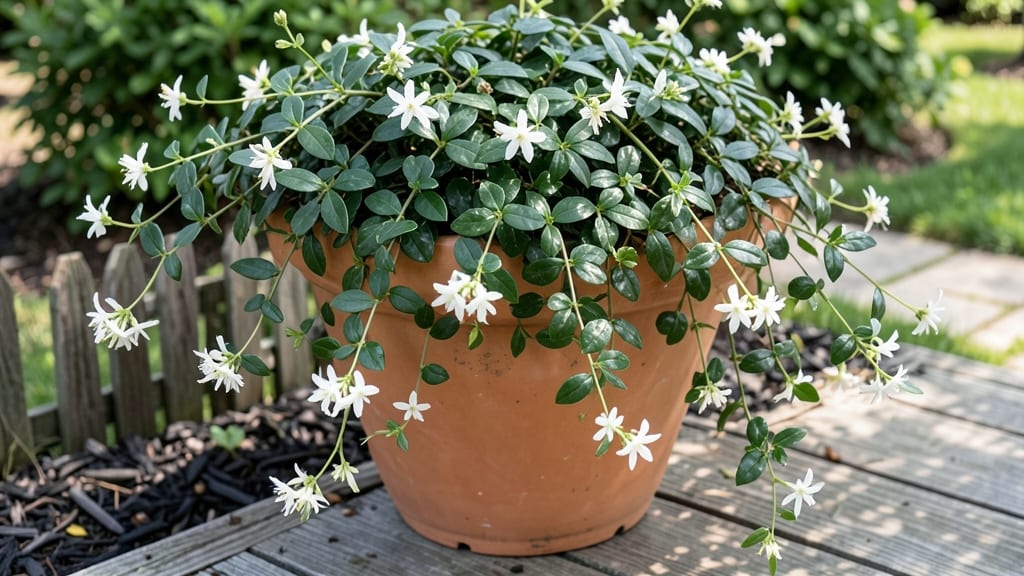
Growing Asiatic jasmine flowers in containers unlocks that intoxicating fragrance without the sprawling ground cover. 🌿 I’ve learned the hard way that this vine thrives when you mimic its natural habitat—well-draining soil, bright indirect light, and a sturdy trellis to guide its growth.
The key isn’t just the flowers, but the experience: waking to the sweet scent drifting through an open window or having a living wall that blooms continuously.
The secret to success starts with the right setup: a 5-gallon container for each plant (or larger if you’re ambitious), a mix of 50% potting soil and 50% perlite, and a spot that gets 6+ hours of morning sun.
Overwatering is the silent killer—let the top inch dry out between waterings, and you’ll avoid the root rot that wipes out so many container plants. Pruning after each bloom cycle keeps it compact and encourages more flowers, not just leaves.
By summer’s end, your container will be a fragrant cloud of tiny white blooms, their scent stronger in the evening when the air cools. The vines grow fast—up to 12 inches per season—so regular trimming keeps them manageable.
Even in small spaces, this plant delivers that luxury garden feel without the upkeep of a full yard. The trade-off? A few aphids might visit, but a spray of soapy water keeps them in check.
Works equally well on balconies, patios, or even as a cascading centerpiece. The beauty is in the details: the way the flowers open at dawn, the way the scent lingers long after they fade.
Here’s how to make it happen without the common pitfalls—so you can enjoy those blooms from spring through fall.
📚 In This Guide
- What you need
- Instructions
- Tips and common mistakes
- Wrapping up and next steps
What you need
- ● Asiatic jasmine plants: 1-2 healthy nursery-grown vines (look for Trachelospermum asiaticum or Trachelospermum jasminoides varieties).
- ● Containers: 1-2 large pots (12–18 inches in diameter) with drainage holes, or a raised bed if planting in-ground.
- ● Potting mix: 3–5 gallons of well-draining cactus/succulent mix or a blend of 60% potting soil + 40% perlite/sand.
- ● Slow-release fertilizer: 1 cup of 10-10-10 or 20-20-20 granular fertilizer (or organic options like worm castings).
- ● Mulch: 1–2 inches of pine bark fines or shredded bark to retain moisture.
- ● Garden trowel or small shovel (for planting).
- ● Pruning shears (to trim leggy growth or shape vines).
- ● Watering can or hose with gentle spray nozzle (avoid overwatering!).
- ○ Trellis or obelisk (optional, for vertical growth in containers).
- ● Plant supports (e.g., stakes or cages) (if growing in-ground).
- ○ Liquid fertilizer (e.g., fish emulsion or seaweed extract) (optional, for a mid-season boost).
How to grow Asiatic jasmine in containers for year-round fragrance
Here's the straightforward method I use to keep these sweetly scented vines thriving in pots.
🪴 Step 1: Select the Right Container and Soil Mix
Choose a 5-gallon container with drainage holes—Asiatic jasmine roots need room to spread but hate soggy soil. I use terracotta pots because they breathe better than plastic, preventing root rot. Fill the bottom third with orchid bark mix for drainage, then add a high-quality potting soil blended with 20% perlite to keep it airy.
Don't skimp on the soil—this vine thrives in well-draining, slightly acidic mix (pH 6.0-6.5). I like to add a handful of composted pine needles to mimic its natural woodland habitat. Pat the mix down gently so it's settled but not compacted—you want roots to find air pockets easily.
🌱 Step 2: Plant and Position for Optimal Growth
Place your bare-root Asiatic jasmine plant in the center of the pot, spreading roots outward. Cover them with soil up to the root crown (where stems meet roots)—burying too deep causes rot, but leaving it exposed dries it out. Water immediately after planting until it drains from the bottom holes.
Position the container in partial shade (morning sun, afternoon shade) for the first two weeks. Full sun later in the day helps the plant harden off, but direct midday rays can scorch new growth. You'll know it's adjusting when you see new leaves unfurling—they'll be glossy and deep green.
☀️ Step 3: Provide Consistent Care for Blooms
Water when the top 1-2 inches of soil feel dry—this vine hates wet feet but tolerates brief dry spells. I use a soaker hose for even moisture, avoiding overhead watering which can cause fungal issues. Fertilize every 4-6 weeks in spring and summer with a balanced 10-10-10 formula, cutting back in fall and winter.
Rotate the pot quarter-turn weekly so the vine grows evenly. You'll notice it leaning toward the light—this is normal until it adjusts. Once established, it'll send out long, fragrant runners that you can train along trellises or let cascade naturally. Prune leggy stems after blooming to encourage bushier growth.
✂️ Step 4: Prune and Overwinter for Next Season
After the first frost, cut back dead or yellowed stems to 6 inches above the soil. This prevents disease and encourages fresh growth in spring. Wrap the pot in burlap and move it to a cool garage (40-50°F) where it gets bright indirect light. Check soil moisture monthly—it barely needs water in winter.
In early spring, unwrap the pot and repot if roots are circling. You'll see new shoots within weeks—this is your cue to move it back outdoors. The first flush of blooms usually appears in late spring, but with proper care, you'll get year-round fragrance in mild climates.
Tips & tricks for perfect Asiatic jasmine growth in containers
A few simple strategies will help you keep your fragrant Asiatic jasmine thriving year after year in pots. Here's what I've learned from growing these sweetly scented vines successfully.
Container Selection: While the instructions recommend terracotta pots, you can also use glazed ceramic containers as long as they have drainage holes. The key is the 5-gallon size—this gives roots enough room to spread without becoming root-bound too quickly. If you're using a larger container, add extra orchid bark mix to improve drainage and prevent soggy soil at the bottom. I've found that self-watering containers work well too, but check moisture levels regularly since Asiatic jasmine prefers to dry out slightly between waterings.
Soil Mix Secrets: The slightly acidic pH (6.0-6.5) is crucial for Asiatic jasmine's health. If you don't have composted pine needles, sphagnum peat moss works as a good substitute—it helps maintain that acidic environment while improving moisture retention. For an extra boost, mix in a handful of worm castings when planting. This provides gentle, slow-release nutrients that help establish strong root systems. Just be sure to maintain that 20% perlite ratio for proper aeration.
Light Positioning: During those first two weeks in partial shade, I like to place my containers on a rolling plant stand. This makes it easy to rotate the pot daily—just a quarter turn each time—which helps the vine grow more evenly toward the light. Once established, you can gradually move it to more sun, but always protect it from harsh midday rays. I've noticed that east-facing windows provide the ideal balance of morning sun and afternoon shade for container-grown Asiatic jasmine.
Winter Care Strategy: When moving your plant to the 40-50°F garage for winter, I recommend placing it near a south-facing window if possible. This provides bright indirect light without direct sun exposure. If natural light is limited, consider adding a grow light for 12 hours a day to prevent leggy growth. Remember to reduce watering significantly—only check soil moisture monthly as the plant goes dormant. This careful winter routine ensures your Asiatic jasmine will burst back to life with fragrance in spring.
Pro Tips for Asiatic Jasmine Flowers
- A few simple strategies will help you keep your fragrant Asiatic jasmine thriving year after year in pots. Here's wha...
- Container Selection: While the instructions recommend terracotta pots, you can also use glazed ceramic containers as ...
- Soil Mix Secrets: The slightly acidic pH (6.0-6.5) is crucial for Asiatic jasmine's health. If you don't have compost...
Frequently asked questions
Got questions about growing asiatic jasmine flowers? You’re not alone! Here are some of the most common queries—plus practical answers to help you cultivate fragrant blooms with ease.
How fast does asiatic jasmine grow, and when can I expect flowers?
Asiatic jasmine is a fast grower, often reaching 10–15 feet in ideal conditions. With proper care, you can expect delicate white blooms as early as late spring to early summer (first year) and year-round in warm climates. Prune after flowering to encourage continuous blooms!
Can asiatic jasmine survive winter in containers?
Yes, but it needs protection! Move containers to a sheltered spot (like a garage or under eaves) before temps drop below 20°F (-7°C). Mulch the base with straw or burlap to insulate roots. In harsh winters, consider wrapping the pot in bubble wrap or using a frost cloth.
What’s the best alternative if asiatic jasmine struggles in my climate?
Try these fragrant, low-maintenance swaps:
- Arabian jasmine (Jasminum sambac) – Thrives in heat, blooms year-round.
- Star jasmine (Trachelospermum jasminoides) – Drought-tolerant, evergreen.
- Confederate jasmine (Trachelospermum × confederae) – Cold-hardy to Zone 7.
Why aren’t my asiatic jasmine leaves turning green, and how do I fix it?
Yellowing leaves often signal overwatering, poor drainage, or nutrient deficiency. Check for:
- Waterlogged soil – Let soil dry slightly between waterings.
- Nutrient boost – Fertilize with a balanced 10-10-10 mix in spring.
- Pests – Inspect for spider mites or aphids; treat with neem oil if needed.
Can I grow asiatic jasmine indoors, and what’s the best light setup?
Place your container near a south- or west-facing window for 6+ hours of sunlight daily. Supplement with a grow light (12–14 hours) in low-light areas. Keep humidity high (mist leaves or use a pebble tray) to mimic outdoor conditions. Rotate the pot weekly for even growth!
Wrapping up and next steps
Growing asiatic jasmine flowers in containers is a rewarding way to enjoy their sweet fragrance and lush greenery year-round! With the right soil, sunlight, and care, you’ll create a thriving mini-garden that brightens up any space.
Whether you’re a beginner or a seasoned gardener, these fragrant blooms are a delightful addition to patios, balconies, or even indoor spots.
Ready to take the next step? Start small—try a single container and experiment with companions like trailing plants or herbs to enhance your setup. Happy gardening, and may your space always be filled with the intoxicating scent of jasmine! 🌸✨