
Flowers
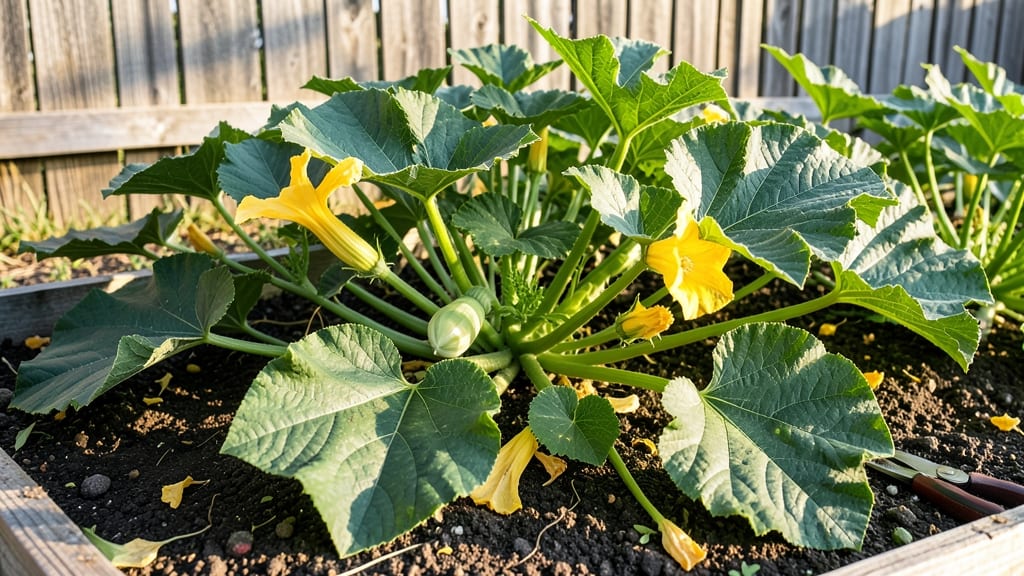
Zucchini squash flowers aren't just pretty—they're edible, delicate, and packed with flavor. 🌸 I've learned the hard way that harvesting them at the right stage boosts fruit production while giving you fresh, tender blooms for salads, fritters, or garnishes.
The key is knowing which flowers to pick and when, so you don't accidentally reduce your harvest.
Male flowers appear first, with a long stem and no bulge at the base, while female flowers have a tiny zucchini forming behind the bloom. Both are edible, but female flowers taste milder and are best used in dishes where you want subtle flavor.
My garden now produces more squash and a steady supply of flowers—something I never expected when I started growing zucchini.
You'll end up with vibrant, fragrant blooms that add a pop of color to any dish, plus a bumper crop of zucchini. The flowers pair beautifully with goat cheese, in pasta dishes, or simply battered and fried.
Plus, harvesting them encourages the plant to produce more fruit, so it's a win-win for your garden and your kitchen.
This method works for any zucchini variety, whether you're growing in containers or a full garden bed. The only real rule is consistency—check your plants every few days, and you'll have both flowers and squash in abundance by midsummer.
📚 In This Guide
- What you need
- Instructions
- Tips and common mistakes
- Wrapping up and next steps
What you need
- ● Seeds: Heirloom or hybrid zucchini squash seeds (choose varieties like Black Beauty or Golden Zucchini for reliable blooms). Quantity: 3–5 seeds per plant (start 2–3 plants for a good harvest).
- ● Growing Containers or Garden Bed: Containers: 5-gallon pots or larger (minimum 12" diameter) with drainage holes.
- ● Garden Bed: Well-draining soil, full sun (6–8 hours/day), and space (3–4 feet between plants).
- ● Potting Mix: High-quality, organic seed-starting mix or well-draining garden soil (amend with compost for nutrients).
- ● Fertilizer: Balanced fertilizer (10-10-10) or compost (apply at planting and mid-season).
- ○ Optional: Liquid seaweed or fish emulsion for a boost during flowering. 🌊
- ● Watering Can or Hose: With a gentle spray nozzle (zucchini roots are shallow!).
- ● Hand Trowel: For transplanting seedlings.
- ● Pruning Shears: Small, sharp pair for harvesting blooms.
- ○ Pollination Aid (Optional): Soft paintbrush or small bee-friendly habitat (like a bee hotel) to encourage pollination if bees are scarce. 🐝
- ● Climate: Warm season (after last frost; zucchini thrives in 70–90°F (21–32°C)).
- ● Sunlight: Full sun (6+ hours/day) is a must—partial shade may reduce blooms.
- ● Soil pH: 6.0–7.0 (test with a soil kit or amend with lime/sulfur if needed).
- ● Watering: Keep soil consistently moist (not soggy) during growth. Drought stress = fewer flowers!
- ● Patience: Germination takes 5–10 days; flowers appear in 45–60 days from seed.
How to grow zucchini squash flowers for edible blooms
Here's how to coax those gorgeous, edible zucchini flowers from seed to your plate.
🌱 Step 1: Start Seeds Indoors 3-4 Weeks Before Last Frost
Fill 2-3 inch deep seed-starting trays with moistened seed-starting mix—zucchini seeds need good drainage to avoid rot. Plant 1-2 seeds per cell at a depth of 1 inch, pressing gently but not packing the soil. I always label my trays because zucchini seedlings look identical to other summer squash varieties.
Cover the trays with plastic wrap or a humidity dome to retain warmth and moisture. Place them in a warm spot—75-85°F is ideal for germination. You'll see sprouts in 5-10 days, but don't be surprised if it takes a few extra days in cooler homes. Once seedlings emerge, remove the cover immediately to prevent damping-off.
☀️ Step 2: Transplant Seedlings After All Frost Risk Has Passed
Wait until soil temperatures reach 60°F and nighttime temperatures stay above 55°F before moving seedlings outdoors. Harden them off by placing them outside in a sheltered spot for 1-2 hours daily over 5-7 days, gradually increasing their time outside. Strong, healthy seedlings will have 3-4 true leaves and sturdy stems.
Plant seedlings 12-18 inches apart in rows 3-4 feet apart to allow for proper air circulation. Zucchini plants thrive in full sun—at least 6-8 hours daily. Dig a hole slightly deeper than the seedling's root ball and place it in, filling the hole with soil and pressing gently around the base. Water deeply right after transplanting to help settle the roots.
💧 Step 3: Maintain Consistent Water and Fertilizer
Zucchini plants need 1-2 inches of water weekly, especially during flowering and fruiting. Water at the base of the plant in the morning to allow foliage to dry out during the day, reducing the risk of fungal diseases. I always check the soil with my finger—if the top 1-2 inches feel dry, it's time to water.
Feed the plants with a balanced 10-10-10 fertilizer every 2-3 weeks once they start flowering. Avoid high-nitrogen fertilizers, which encourage leafy growth at the expense of flowers and fruit. You'll know your plants are thriving when they produce abundant, vibrant yellow blossoms—these are your edible flowers!
✂️ Step 4: Harvest Flowers for Culinary Use
Pick zucchini flowers in the morning when they're fully open but before they wilt. Use clean, sharp scissors or pruning shears to cut the flower stems, leaving about 1 inch of stem attached. This encourages more blooms to form. I always harvest male flowers first—they have a long stem and no tiny fruit at the base, making them easier to spot.
Use harvested flowers immediately or store them in the refrigerator for 1-2 days. For longer storage, gently pat them dry and place them in a paper bag in the fridge. You'll know you're harvesting at the right time when the flowers are fully open, with vibrant petals and no signs of wilting. Enjoy them in salads, fritters, or as a beautiful garnish!
🌿 Step 5: Prune and Maintain Plants for Continuous Blooms
Regular pruning encourages more flowers and better air circulation. Remove any yellow or diseased leaves immediately to keep the plant healthy. Pinch off any side shoots that form at the base of the main stem—this directs the plant's energy toward producing flowers and fruit.
Watch for squash bugs and cucumber beetles, which can damage leaves and flowers. I use row covers early in the season to protect young plants and handpick any pests I see. With proper care, your zucchini plants will produce a steady supply of edible flowers throughout the growing season—just keep an eye out for those beautiful blooms!
Tips & tricks for perfect zucchini squash flowers
Here's what I've learned after growing zucchini flowers for years—these little tricks make all the difference between a handful of blooms and a garden full of edible treasures.
Seedling Selection: In Step 1, when you're planting those 1-2 seeds per cell, choose the strongest seedling to keep after germination. Look for the one with the most vibrant green leaves and sturdy stem—this is your future flower producer. I've found that thinning to the strongest seedling gives you a head start on robust growth.
Harden Off Gradually: The 5-7 day hardening off period in Step 2 is crucial, but don't rush it. Start with just 1-2 hours in the shade on day one, then gradually increase exposure. I like to place them near a wall where they get morning sun and afternoon shade—this mimics natural conditions and prevents shock. Watch for any wilting, which means you're moving too fast.
Watering Wisdom: When maintaining those 1-2 inches of water weekly in Step 3, focus on consistency over quantity. I've learned that morning watering is key—it gives foliage time to dry out, reducing fungal risks. Use a rain gauge or tuna can to measure your water depth accurately, as overwatering can cause blossom end rot in the flowers.
Flower Identification: In Step 4, distinguishing male from female flowers is a game-changer. Male flowers have long stems and no tiny fruit at the base, while females have a small zucchini forming behind the bloom. Harvesting males first encourages more flowers to develop. I always check the underside of blooms in the morning light—it makes identification much easier.
Pro Tips for Zucchini Squash Flowers
- Here's what I've learned after growing zucchini flowers for years—these little tricks make all the difference between a handful of blooms and a garden full of edible treasures.
- Seedling Selection: In Step 1, when you're planting those 1-2 seeds per cell, choose the strongest seedling to keep after germination.
- Harden Off Gradually: The 5-7 day hardening off period in Step 2 is crucial, but don't rush it.
Frequently asked questions
Got questions about growing and using zucchini squash flowers? You’re not alone! Here are some of the most common queries—plus quick, practical answers to help you navigate every step, from planting to plating.
Can I eat zucchini squash flowers raw or do I need to cook them?
You can enjoy them both ways! Raw flowers add a delicate, slightly sweet crunch to salads (like a fancy garnish!), while cooked versions (sautéed, stuffed, or battered) deepen their flavor. For raw dishes, gently rinse and pat dry to keep them crisp. Pro tip: Use the male flowers—they’re more tender and flavorful than females (which develop into squash).
How long does it take for zucchini plants to produce edible flowers?
With warm soil and consistent care, you’ll see first blooms in 4–6 weeks after transplanting (or 6–8 weeks from seed). Male flowers (with long stems) appear first, followed by female flowers (with tiny squash bumps). Speed up blooming: Prune lower leaves to direct energy upward, and ensure full sun (6+ hours daily). Patience pays off—early flowers are the sweetest!
What should I do if my zucchini flowers keep falling off?
Dropping flowers usually signals stress. Check for these fixes:
- Water consistently: Drought or soggy soil shocks plants. Aim for 1–1.5 inches per week.
- Boost pollinators: Invite bees with native plants (like marigolds) or hand-pollinate by gently brushing stamens.
- Fertilize lightly: Too much nitrogen = leafy growth, fewer flowers. Use a balanced 10-10-10 fertilizer.
Are there any non-edible zucchini flowers I should avoid?
All parts of the zucchini plant are technically edible, but some are less pleasant:
- Overly bitter flowers: Older or wilted blooms may taste harsh. Pick them young!
- Female flowers with squash: While edible, they’re tougher. Save them for cooking (e.g., fritters).
- Avoid yellowing leaves: These can indicate disease (like powdery mildew), which may transfer to flowers.
Can I grow zucchini flowers in containers or small spaces?
Zucchini thrives in 5-gallon containers (or larger) with well-draining soil. Choose compact varieties like ‘Eight Ball’ or ‘Patio Star’. Place pots in full sun and fertilize every 2–3 weeks. Space-saving tip: Train vines along a trellis to save ground space—just be sure to harvest flowers before they weigh down the plant!
Wrapping up and next steps
From seed to table, growing zucchini squash flowers is a rewarding journey that adds beauty, flavor, and sustainability to your garden! 🌸 Whether you’re harvesting delicate blooms for salads, pollinators for your yard, or simply savoring the process, these edible flowers are a versatile and joyful addition.
Now that you’re equipped with the know-how, why not plant a few seeds this season and turn your garden into a blooming, edible paradise?
Start small—try a single plant or a few seeds—and let your curiosity (and your bees!) guide you. Happy gardening! 🌱