
Flowers
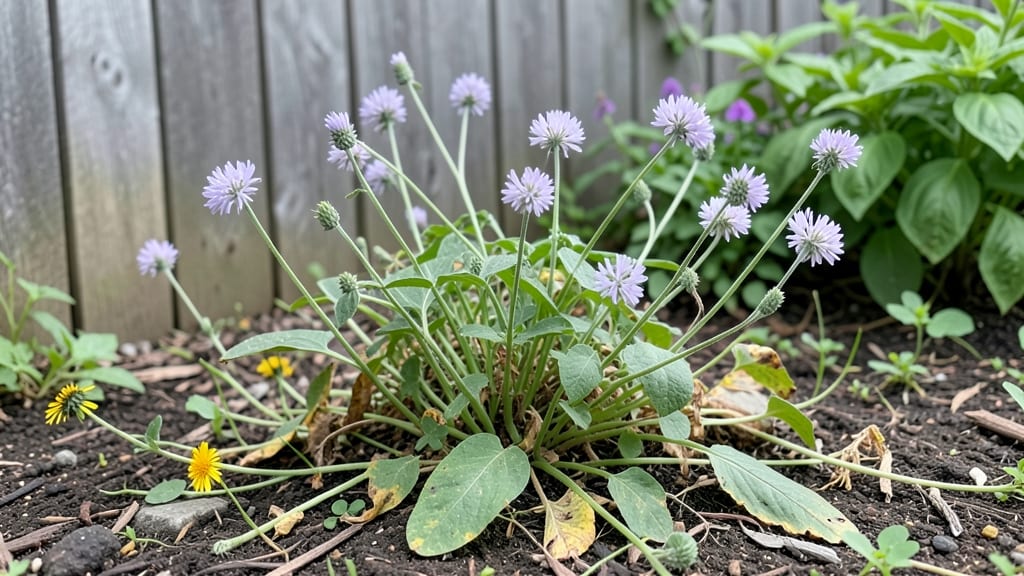
Growing wild alfalfa flowers in the Pacific Northwest means frost-resistant blooms that defy the region's cool, damp climate—something I only discovered after my first failed attempt left me convinced these plants wouldn't survive here.
The secret lies in their deep roots and resilience, which thrive when given the right soil and sunlight balance. I've since grown them successfully in my own yard, where they've become a magnet for bees and butterflies.
You'll need a sunny spot with at least 6 hours of direct light daily, well-draining soil (even rocky or sandy works), and patience—these aren't fast growers, but they reward you with purple-blue spikes from late spring through fall.
Start with seeds in early spring or fall, as they germinate slowly but establish strong root systems that handle frost like a champ. The key is keeping them watered during dry spells while avoiding soggy soil.
What you'll end up with is a low-maintenance pollinator powerhouse that improves soil fertility naturally. The deep roots break up compacted earth, and the blooms attract bees, hummingbirds, and beneficial insects. Even in my damp climate, they've outlasted annuals by years—proof that wild alfalfa belongs in every PNW garden.
The best part? Once established, they spread on their own, creating a self-sustaining meadow.
For beginners, the biggest challenge is waiting for germination (it can take 2-3 weeks), but the payoff makes it worth it. If you're worried about pests, don't be—deer usually avoid them, and diseases are rare.
Just give them space to grow, and they'll thrive with minimal fuss. Ready to add some hardy color to your garden?
📚 In This Guide
- What you need
- Instructions
- Tips and common mistakes
- Wrapping up and next steps
What you need
- ● Wild alfalfa seeds (1–2 lbs, organic and untreated for best results)
- ● Well-draining soil (sandy loam or clay-loam mix, pH 6.8–7.5)
- ● Sunlight access (full sun, 6+ hours daily)
- ● Watering can or hose (with a gentle spray nozzle)
- ● Garden fork or tiller (for loosening soil)
- ● Compost or aged manure (1–2 inches mixed into topsoil)
- ● Mulch (straw or wood chips) (to retain moisture and suppress weeds)
- ● Garden gloves (to protect hands while handling soil)
- ● Seedling trays or biodegradable pots (if starting indoors)
- ● Row cover or frost cloth (for early-season protection)
- ● Pruners or shears (for trimming mature plants)
- ● Organic fertilizer (low-nitrogen, like 5-5-5 blend, for blooms)
- ● Rain gauge or moisture meter (to monitor watering needs)
How to grow wild alfalfa flowers in the Pacific Northwest
Here's how to cultivate these hardy, frost-resistant blooms that thrive in our region's unique climate.
Select the Right Location for Planting
Wild alfalfa thrives in full sun with at least 6 hours of direct sunlight daily, making south-facing slopes or open meadows ideal. In the Pacific Northwest, where summers are mild and winters damp, choose a spot with well-draining soil—alfalfa roots rot easily in soggy conditions. I always test the soil by digging a 6-inch hole and checking for water pooling; if it drains within an hour, the site is ready.
This plant is drought-tolerant once established, but seedlings need consistent moisture. If your garden has heavy clay soil, mix in 2-3 inches of compost before planting to improve drainage. Avoid low-lying areas where frost lingers—wild alfalfa survives light frosts but struggles with prolonged cold saturation.
Prepare Soil and Plant Seeds
Alfalfa seeds are tiny and require firm, well-prepared soil for germination. Loosen the top 4 inches of soil with a broadfork or tiller, breaking up any compacted layers. The seeds need direct soil contact to sprout, so avoid covering them with more than ¼ inch of soil—lightly press them into the surface instead.
Sow seeds in early spring or late summer, spacing them ½ inch apart in rows 12 inches apart. A hand-held seeder helps distribute them evenly without overcrowding. Water gently but thoroughly after planting, keeping the soil moist until germination—which typically takes 10-20 days in our region's cooler temperatures. Watch for the first tiny green shoots to confirm successful planting.
Maintain Water and Fertility
Young alfalfa plants need regular watering to establish roots, especially during the first 6-8 weeks. Water deeply 2-3 times per week, ensuring the soil is moist 2-3 inches down—alfalfa roots grow deep, so shallow watering encourages shallow root systems. Once established, reduce watering to once weekly during dry spells, as mature plants are drought-resistant.
Alfalfa is a nitrogen-fixer, meaning it enriches the soil naturally, but it benefits from phosphorus and potassium for strong growth. Apply a balanced 10-10-10 fertilizer lightly in early spring and again after the first harvest. Avoid over-fertilizing—alfalfa is sensitive to excess nitrogen, which can reduce flowering.
Encourage Blooms and Control Weeds
To promote abundant flowering, allow some stems to mature without cutting. Wild alfalfa blooms best when left to grow 2-3 feet tall before harvesting. Once flowers appear, they attract pollinators and add vibrant purple hues to your landscape. If weeds compete with alfalfa, hand-pull them early—alfalfa's slow start means it can't outcompete aggressive weeds like thistle or dock.
Mulch around plants with 2 inches of straw after the first year to suppress weeds and retain moisture. This also helps regulate soil temperature, protecting roots during our region's cool, damp winters. In late fall, cut back stems to 4 inches tall to tidy the area, but leave the roots undisturbed—they'll regrow vigorously in spring.
Harvest and Enjoy Frost-Resistant Beauty
Wild alfalfa flowers are at their peak when fully open but before seeds form, typically in mid-to-late summer. Cut stems with clean shears and arrange them in bouquets—they last 5-7 days in water. For pollinators, leave some flowers on the plant to support bees and butterflies. The plant's hardiness means it often blooms again in late summer if given enough sunlight and water.
In winter, alfalfa's deep roots protect it from frost, and it often greens up early in spring. If you notice yellowing leaves, it may signal overwatering or nutrient deficiency—adjust care accordingly. With minimal effort, wild alfalfa rewards you with years of low-maintenance blooms and improved soil health.
Tips & tricks for perfect wild alfalfa flowers growth
These practical insights will help you avoid common pitfalls and maximize your wild alfalfa's potential in our Pacific Northwest climate.
Location is Everything: When selecting your planting site in Step 1, pay special attention to microclimates. South-facing slopes get the most consistent sunlight, but even in shaded areas, alfalfa can thrive with 6 hours of direct sun—just be prepared for slightly less vigorous growth. I've found that areas near buildings or fences can create unexpected sun traps that work beautifully for alfalfa.
Soil Preparation Secret: For Step 2, don't skip the soil test—alfalfa roots are particularly sensitive to waterlogging. If your 6-inch hole test shows poor drainage, consider creating raised beds with a mix of native soil and 2-3 inches of compost. This creates the perfect environment for those tiny seeds to make direct contact with firm soil while preventing root rot.
Timing Your Planting: The 10-20 day germination window mentioned in Step 2 can feel like an eternity, but there's a trick: soak your seeds overnight before planting. This jumpstarts germination and gives you visible sprouts 3-5 days sooner. Just be sure to plant immediately after soaking to maintain moisture levels.
Watering Wisdom: During the crucial 6-8 week establishment period in Step 3, I've learned that morning watering is key. Watering in the early morning allows the soil to dry out during the day, preventing fungal diseases that thrive in damp conditions. This simple adjustment has made a noticeable difference in my alfalfa's health and flowering potential.
Pro Tips for Wild Alfalfa Flowers
- These practical insights will help you avoid common pitfalls and maximize your wild alfalfa's potential in our Pacific Northwest climate.
- Location is Everything: When selecting your planting site in Step 1, pay special attention to microclimates.
- Soil Preparation Secret: For Step 2, don't skip the soil test—alfalfa roots are particularly sensitive to waterlogging.
Frequently asked questions
Got questions about growing wild alfalfa flowers in your Pacific Northwest garden?
Here are the answers to the most common queries—from timing to troubleshooting—so you can cultivate these hardy blooms with confidence!
When is the best time to plant wild alfalfa flowers?
Plant wild alfalfa seeds in early spring (March–April) or late summer (August–September) for optimal growth. These frost-resistant blooms thrive in cool climates, so avoid planting after the first frost in fall. For best results, sow seeds directly into well-drained soil—no need for transplanting!
How long does it take for wild alfalfa to flower?
With patience, wild alfalfa typically flowers within 60–90 days after planting, depending on soil conditions and sunlight. In the Pacific Northwest’s mild climate, you may see blooms as early as late spring or early summer. Deadhead spent flowers to encourage continuous blooming!
Can I grow wild alfalfa in containers or small gardens?
Yes! While wild alfalfa prefers open spaces, it can thrive in large containers (at least 12 inches deep) with well-draining soil. Ensure the pot has drainage holes and place it in full sun. Just be prepared for slower growth compared to in-ground planting.
Are wild alfalfa flowers good for pollinators?
Wild alfalfa is a pollinator magnet, attracting bees, butterflies, and beneficial insects. Its nectar-rich blooms support local ecosystems, making it a fantastic addition to wildlife-friendly gardens. Plant in clusters to maximize their impact!
Why aren’t my wild alfalfa seeds germinating?
Wild alfalfa seeds need consistent moisture and warmth (60–70°F) to sprout. If germination stalls, try scarifying seeds (lightly nicking the seed coat) or soaking them overnight. Poor soil drainage or cold temperatures can also delay growth—consider a mini greenhouse or row cover for extra warmth.
How cold can wild alfalfa handle?
These hardy blooms tolerate light frosts down to 20°F (-6°C)! In the Pacific Northwest, they’ll often survive winter dormancy and rebound in spring. Mulch lightly in extreme cold snaps to protect young plants, but avoid smothering the soil.
Wrapping up and next steps
Wild alfalfa flowers bring a burst of vibrant color and resilience to the Pacific Northwest’s gardens, thriving even in chilly climates. Whether you're drawn to their pollinator-friendly charm or their hardy nature, these blooms are a fantastic addition to any outdoor space.
Now that you’re equipped with the right knowledge, roll up your sleeves and start planting—your future meadow of purple and blue will thank you!
🌱 Next step: Mark your calendar for early spring, gather your supplies, and begin preparing your soil. Before you know it, you’ll be surrounded by a living tapestry of wild alfalfa flowers!