Flowers
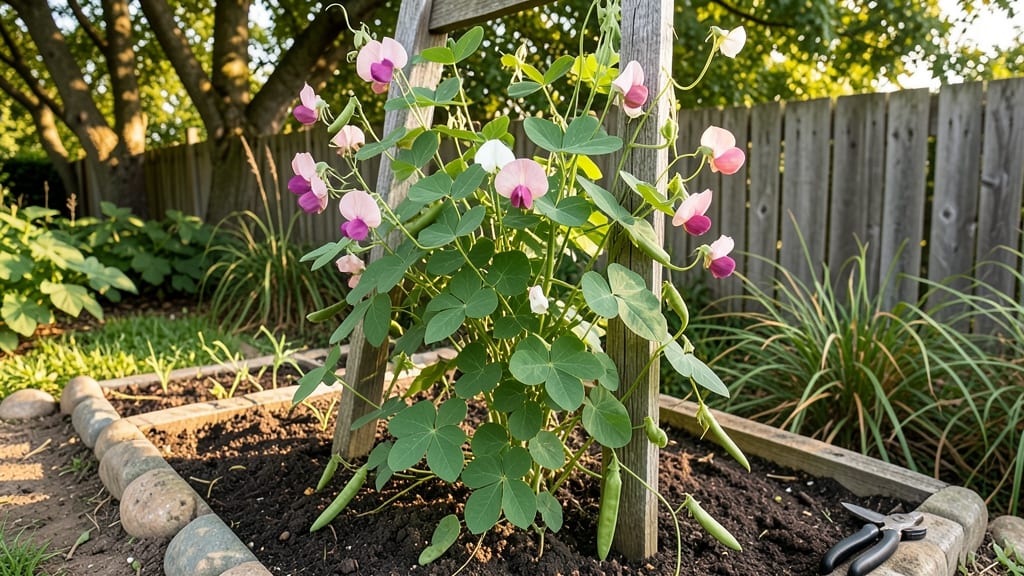
The sweet pea flower climber transforms bare fences and trellises into fragrant, cascading masterpieces—just ask my neighbor, whose 1950s picket fence now bursts with purple and pink blooms every spring. 🌸 These old-fashioned climbers aren’t just pretty; they’re the unsung heroes of vertical gardening, offering nearly 3 months of continuous blooms with minimal effort once established.
Here’s the secret: sweet peas thrive when given full sun, well-draining soil, and something sturdy to cling to—whether that’s a simple wooden trellis, chicken wire, or even an old ladder.
They’re picky about spacing too: give each plant 12-18 inches between them, and watch them scramble upward like tiny, fragrant acrobats. The key to their success? Cool spring nights (they’re biennials, so plant seeds in fall for next year’s show) and a little extra phosphorus at planting time.
By midsummer, you’ll be rewarded with bowls of blooms that perfume the air and attract bees by the dozen. The trick to keeping them climbing strong? Prune regularly to encourage bushier growth, and deadhead spent flowers to coax even more blooms.
Even my black thumb can’t kill these—though I’ll admit I’ve had to rescue a few from slugs over the years.
Works in zones 3-9, from city balconies to country fences, and pairs beautifully with roses or morning glories for a cottage-garden effect. Ready to turn your vertical space into a fragrant, flowering dream? Let’s get those seeds in the ground.
📚 In This Guide
- What you need
- Instructions
- Tips and common mistakes
- Wrapping up and next steps
What you need
- ● Sweet pea seeds: 1–2 packets (choose fragrant varieties like ‘Cupani’ or ‘Spencer’ for best results).
- ● Trellis or fence: A sturdy structure (4–6 ft tall) with horizontal supports for vines to cling to.
- ● Potting soil: 5–10 gallons of well-draining, nutrient-rich soil (mix in compost for extra fertility).
- ● Containers or garden bed: Large pots (10+ inches deep) or in-ground space with good drainage.
- ● Fertilizer: Balanced, slow-release granular fertilizer (10-10-10 ratio) or organic options like fish emulsion.
- ● Watering can or hose: With a gentle spray nozzle for consistent moisture.
- ● Garden gloves (to protect hands from thorns and soil).
- ● Trowel or shovel (for planting and soil prep).
- ● Pruning shears (to trim vines and encourage bushier growth).
- ○ Support ties or twine (optional but helpful for securing young vines to the trellis).
- ● Mulch (straw or shredded bark to retain moisture and suppress weeds).
- ● Sunlight access: A spot with at least 6–8 hours of direct sunlight daily (sweet peas thrive in full sun!).
- ● Eggshells or crushed chalk (to deter pests like slugs).
- ● Peat moss or coconut coir (for improving soil aeration).
- ● Decorative stakes or lattice panels (for a polished look).
- ● Slow-release watering system (like drip irrigation for busy gardeners).
How to grow a thriving sweet pea flower climber
Sweet peas transform any vertical space into a fragrant, colorful haven—here’s how to coax their magic from seed to full bloom.
🌱 Step 1: Choose the Right Trellis and Start Seeds Indoors
Sweet peas need sturdy support, so select a 5-6 foot tall trellis or fence with 1-inch diameter poles spaced 6-8 inches apart for vines to twine. I use a biodegradable peat pot for each seed—this prevents root disturbance when transplanting. Fill it with sterile seed-starting mix (never garden soil) and press lightly to remove air pockets.
Plant 2-3 seeds per pot at a depth of ½ inch, about 1 inch apart. Sweet peas germinate best in 60-70°F soil, so place pots in a seedling heat mat or on top of your fridge. Water gently with a spray bottle until the surface feels damp but not soggy. Cover with plastic wrap to retain moisture, then place in bright, indirect light until sprouts appear in 7-14 days. Here’s the thing—don’t overwater now. Damping-off will wipe out seedlings overnight.
☀️ Step 2: Harden Off and Transplant to the Garden
Once seedlings show first true leaves (not the initial seed leaves), remove the plastic wrap and move them to a sunny windowsill for a week. Gradually introduce them to outdoor conditions by placing pots outside in partial shade for 1-2 hours daily, increasing time by 30 minutes each day until they tolerate full sun for 6+ hours. This process, called hardening off, takes 7-10 days—skip it, and you’ll shock delicate vines.
Transplant seedlings to the garden 2-3 weeks before your last frost date when soil reaches 55°F. Dig a hole twice as wide as the pot but no deeper, and bury the peat pot ½ inch below soil level. This encourages roots to spread outward for stability. Water deeply at the base, then add a 2-inch layer of mulch to retain moisture and suppress weeds. Watch for new growth within a week—that’s your signal everything is working.
💧 Step 3: Train Vines and Maintain Consistent Care
Sweet peas climb by twining, so gently guide the main vine up the trellis as it grows. Once the vine reaches the top, side shoots will emerge naturally—let these grow freely to create a lush curtain. Water deeply 2-3 times per week, aiming for 1 inch of water per week. You’ll know moisture is right when the top inch of soil feels dry to the touch. Overwatering causes root rot, while underwatering stresses plants and reduces blooms.
Fertilize lightly with a balanced 10-10-10 formula at planting and again when flowers appear. Too much nitrogen promotes leafy growth at the expense of blooms. Deadhead spent flowers weekly by pinching off the faded blossom and the first set of leaves below it. This encourages continuous flowering and prevents seed pods from draining energy. Real talk: Sweet peas are annuals, so plan to replant next year—but their self-seeding habit often surprises you with volunteers in spring.
✂️ Step 4: Extend the Season and Harvest Seeds
To prolong blooms, trim back leggy stems in early summer by cutting them back to 6 inches tall. This stimulates bushier growth and more flowers. Sweet peas thrive in cool weather, so in hot climates, provide afternoon shade during peak summer heat. If frost threatens, cut back vines to 12 inches tall, leaving the base intact. Many varieties resprout in spring, giving you a head start.
If you want to save seeds for next year, leave 3-4 of the healthiest plants uncut and allow their pods to mature fully. Harvest pods when they turn brown and papery, then dry them in a well-ventilated area for 2 weeks. Crack open the pods to release seeds—store them in a cool, dry place until next planting season. I’ve found that sweet peas stored this way retain viability for 3-4 years, making them a cost-effective perennial favorite.
Tips & tricks for perfect sweet pea flower climbers
Sweet peas are one of the most rewarding vertical garden plants, but they need the right approach to thrive. Here are my go-to tips to ensure your climbers grow strong, fragrant, and full of blooms.
Soil Temperature Matters: The 60-70°F soil temperature range in Step 1 is non-negotiable for germination. I've learned this the hard way—cold soil slows germination dramatically, while soil above 75°F can cause seeds to rot. If your home is chilly, place pots on top of your fridge or use a seedling heat mat to maintain that sweet spot.
Harden Off Gradually: The 7-10 day hardening off process in Step 2 is where most beginners fail. Start with just 1-2 hours of outdoor exposure on the first day, then increase by 30 minutes each subsequent day. I always check the forecast—if rain is predicted, delay outdoor exposure to prevent waterlogged seedlings. Watch for wilting as your signal to bring them back inside temporarily.
Trellis Placement Strategy: Position your 5-6 foot trellis where it gets morning sun and afternoon shade in hot climates. This prevents the vines from overheating while still providing enough light for photosynthesis. I've found that placing trellises against north-facing walls works beautifully in southern gardens, creating a cool microclimate for the vines.
Watering Wisdom: The 1 inch per week watering guideline in Step 3 is perfect, but timing matters more than quantity. Water deeply in the morning so foliage has all day to dry, preventing fungal diseases. I use a rain gauge to track weekly rainfall—if we've had 1 inch, I skip watering entirely to avoid overwatering. Mulch helps maintain even moisture levels between waterings.
Pro Tips for Sweet Pea Flower Climber
- Sweet peas are one of the most rewarding vertical garden plants, but they need the right approach to thrive.
- Soil Temperature Matters: The 60-70°F soil temperature range in Step 1 is non-negotiable for germination.
- Harden Off Gradually: The 7-10 day hardening off process in Step 2 is where most beginners fail.
Frequently asked questions
Got questions about growing sweet pea flower climbers? You’re not alone! Here are some of the most common queries—plus quick, practical answers to help you cultivate a stunning vertical garden with ease.
How do I train sweet peas to climb a trellis or fence?
Sweet peas are eager climbers! Start by planting seeds near the base of your trellis or fence (about 1 inch deep). As they sprout, gently weave the vines through the supports or tie them with soft twine. Avoid over-tightening—let them grow freely for best results. Pro tip: Prune leggy stems to encourage bushier growth and more blooms!
When is the best time to plant sweet pea climbers?
Sweet peas thrive in cool weather, so plant them 4–6 weeks before your last frost date (typically early spring or late summer for fall blooms). Avoid planting in scorching heat—they’ll bolt (flower too quickly) or struggle. If your climate stays warm year-round, opt for perennial varieties or succession plant for continuous color.
Can I grow sweet peas in containers or small spaces?
Sweet peas adapt well to containers as long as the pot is at least 12 inches deep with drainage holes. Use a lightweight potting mix and a small trellis or cage for support. For balconies or patios, choose compact varieties like ‘Cupani’ or ‘Tom Thumb’ to save space. Just ensure they get 6+ hours of sun daily.
Why aren’t my sweet peas blooming, and how do I fix it?
Common culprits include lack of sunlight, over-fertilizing (too much nitrogen = leafy growth, no flowers), or deadheading neglect. To encourage blooms:
- Move plants to full sun (6+ hours/day).
- Use a balanced fertilizer (10-10-10) sparingly.
- Deadhead spent flowers regularly to prompt new blooms.
- Check for pests (aphids, slugs) and treat organically if needed.
What’s the best way to overwinter sweet pea climbers?
Sweet peas are annuals in most climates, but if you’re in a mild zone (USDA Zones 7–10), you can try overwintering:
- Cut back vines to 6 inches after frost.
- Mulch heavily with straw or leaves to insulate roots.
- Water sparingly in winter to prevent rot.
- In spring, prune back dead growth and fertilize lightly.
For colder regions, treat them as annuals and replant each year for fresh blooms!
Wrapping up and next steps
Transforming your outdoor space with a sweet pea flower climber isn’t just about adding beauty—it’s about creating a fragrant, living tapestry that thrives with minimal effort.
These charming vines bring color, texture, and a heavenly scent to trellises, fences, or arbors, turning even the smallest corner into a lush vertical garden. Whether you're a seasoned gardener or a beginner, their easy care and stunning blooms make them a must-have for any space.
Ready to unleash your green thumb? Start by choosing your favorite varieties, gathering your supplies, and giving these climbers the love they deserve. Plant your first seed today—your garden (and your senses!) will thank you. 🌸✨