
Flowers
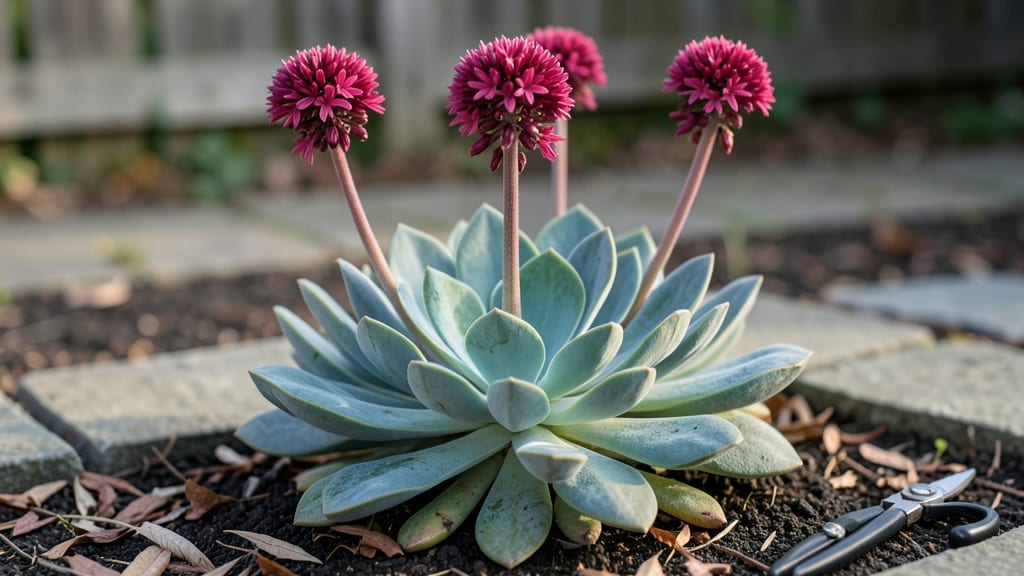
Stonecrop sedum flowers bring bold color to Pacific Northwest gardens when other perennials fade in early frost. 🌿 I’ve grown them for years, and their ability to thrive in cool, wet climates—plus their drought tolerance—makes them my go-to for low-maintenance beauty.
The secret lies in their adaptability: they handle everything from rocky slopes to containers, and their late-summer blooms last until hard frost.
You’ll need well-draining soil (even sandy or rocky spots work) and full sun to partial shade, depending on your variety. Sedum spectabile and Sedum hybridum are top performers here, offering deep pinks, reds, and whites that hummingbirds adore.
Water lightly after planting, then let nature take over—they hate soggy roots but love neglect. Prune back spent blooms in fall to keep them tidy and encourage next year’s flowers.
What you’ll get is a nearly foolproof perennial that blooms reliably year after year with almost no fuss. The foliage stays lush even in summer droughts, and the flowers attract pollinators when other gardens are winding down.
Once established, they spread slowly, filling gaps naturally without becoming invasive. Perfect for borders, slopes, or even rock gardens where other plants struggle.
For Pacific Northwest gardeners, stonecrop sedum is the ultimate workhorse—hardy, colorful, and resilient—with varieties that suit every light condition. Whether you’re filling a sunny border or brightening a shady corner, these plants deliver effortless charm. Let’s get yours thriving!
📚 In This Guide
- What you need
- Instructions
- Tips and common mistakes
- Wrapping up and next steps
What you need
- ● Stonecrop sedum plants: Choose between Sedum spurium (Coral Carpet), Sedum telephium (Autumn Joy), or Sedum acre (Golden Stonecrop). Buy 3–5 mature plants (4" pots) or 100+ seeds for DIY growing.
- ● Well-draining soil mix: 50% native soil + 30% compost + 20% perlite/pumice (critical for preventing root rot!).
- ● Gravel or sand: 1–2 inches for amending heavy clay soils (common in PNW).
- ● Organic fertilizer: Balanced 10-10-10 or low-nitrogen granular (e.g., Espoma Garden Tone).
- ● Mulch: 2–3 inches of pine bark or gravel (retains moisture while allowing airflow).
- ● Garden trowel or spade (for digging holes 2x wider than root balls).
- ● Gloves & knee pads (PNW soil can be tough!).
- ● Watering can or hose with a gentle spray nozzle (avoid overhead watering).
- ● Pruners or shears (for deadheading spent blooms and shaping plants).
- ○ Optional: Drip irrigation kit (for drought-tolerant sedum varieties).
- ● Slow-release fertilizer spikes (for low-maintenance feeding).
- ● Rocks or decorative stones (to enhance xeric garden aesthetics).
How to grow and maintain stonecrop sedum flowers in the Pacific Northwest
These drought-tolerant perennials thrive with minimal fuss—here’s how to coax vibrant blooms year after year.
🌱 Step 1: Select and Prepare the Planting Site
Stonecrop sedum (Sedum spp.) loves full sun to partial shade—at least 6 hours of direct sunlight daily—but tolerates morning sun with afternoon shade in hotter microclimates. In the Pacific Northwest, where summers can be mild, south- or west-facing slopes work best. Avoid low-lying areas where cold air pools, as sedum resents soggy roots.
Test your soil’s drainage by digging a 6-inch hole and filling it with water. If it drains in under 30 minutes, the site is ideal. Amend heavy clay with 2-3 inches of coarse sand or gravel mixed into the top 12 inches of soil. Sedum’s shallow roots need well-draining, gritty soil—think 50% native soil, 30% compost, and 20% perlite or pumice—to prevent rot.
☀️ Step 2: Plant at the Right Time and Depth
Plant bare-root sedum in early spring (March–April) or container-grown plants in early fall (September–October) to establish roots before winter. Dig a hole twice as wide as the root ball but only as deep as the top of the root crown—burying too deep suffocates the plant. Space 4 plants 12–18 inches apart for a natural, spreading look.
Gently loosen the roots if pot-bound, then backfill with native soil mixed with compost. Water deeply to settle the soil, then let it dry slightly before watering again. Mulch with 1–2 inches of gravel or pebbles (not organic mulch) to reflect heat and deter weeds. Sedum’s succulent leaves store moisture, so overwatering is the biggest mistake—wait until the soil feels bone-dry 2 inches down before watering.
💧 Step 3: Water and Fertilize for Long-Term Health
Once established (after 1–2 growing seasons), sedum needs almost no water—its drought tolerance is legendary. In the first year, water deeply once a week during dry spells, but reduce to monthly deep soakings in the second year. Overwatering causes leaf rot or powdery mildew, especially in humid PNW summers. If leaves yellow or wilt, check for soggy soil—sedum’s a survivor, but not a swamp plant.
Fertilize lightly in early spring with a balanced, slow-release fertilizer (10-10-10) at half the recommended rate. Too much nitrogen produces lush foliage but fewer flowers. Sedum blooms best when slightly stressed by drought, so skip summer fertilizing. Deadhead spent flowers in late summer to encourage a second flush of blooms before frost.
✂️ Step 4: Prune and Overwinter for Next Year’s Blooms
After flowering, cut back brown or woody stems to 2–3 inches above the base in early spring to encourage fresh growth. Sedum’s woody stems can become leggy over time, so prune every 2–3 years to rejuvenate. In the Pacific Northwest, sedum is fully frost-hardy (USDA Zones 3–9), but heavy snow can bend stems. Gently brush off snow or use a lightweight burlap wrap to protect clumps in exposed areas.
Divide mature clumps every 3–4 years in early spring or fall by digging up the plant, separating sections with a sharp knife, and replanting. This prevents overcrowding and keeps blooms vibrant and abundant. Sedum spreads easily, so contain it with edging or a buried barrier if it’s becoming invasive in your garden.
Tips & tricks for perfect stonecrop sedum flowers
Here's what I've learned after years of growing these hardy beauties in Pacific Northwest gardens—simple tricks that make all the difference for vibrant blooms.
Site Selection Secret: In Step 1, when choosing your location, pay special attention to microclimates. While sedum loves sun, a south-facing slope gets the most sunlight, but if your yard is flat, a raised bed with excellent drainage works just as well. I've seen sedum thrive in spots that get morning sun with afternoon shade—this is especially helpful in hotter microclimates where afternoon sun can stress the plants.
Soil Prep Game-Changer: The 30-minute drainage test in Step 1 is crucial—don't skip it! If your soil drains slower than 30 minutes, you'll need to amend it more aggressively. I've had success using crushed granite instead of gravel for better long-term drainage. The key is creating that gritty texture—think of it as giving your sedum's roots a breathable environment rather than a soggy one.
Timing is Everything: When planting in Step 2, those early spring (March-April) and early fall (September-October) windows are non-negotiable for PNW gardeners. Cold soil in winter can shock tender roots, while summer planting means competing with weeds and insufficient root establishment before winter. I've found that fall planting often gives plants a head start—they establish roots before winter dormancy and burst into growth in spring.
Watering Wisdom: The "bone-dry 2 inches down" rule in Step 3 is your best friend. I carry a small trowel and dig down occasionally to check moisture levels—this prevents overwatering, which is the number one killer of sedum. In my driest summers, I've even seen sedum survive with no supplemental watering once established, though it may go dormant temporarily. The key is letting that soil dry completely between waterings.
Pro Tips for Stonecrop Sedum Flowers
- Here's what I've learned after years of growing these hardy beauties in Pacific Northwest gardens—simple tricks that make all the difference for vibrant blooms.
- Site Selection Secret: In Step 1, when choosing your location, pay special attention to microclimates.
- Soil Prep Game-Changer: The 30-minute drainage test in Step 1 is crucial—don't skip it!
Frequently asked questions
Got questions about growing stonecrop sedum flowers in your Pacific Northwest garden? You’re not alone! Here are answers to the most common queries to help you cultivate these hardy, drought-tolerant beauties with confidence.
When is the best time to plant stonecrop sedum in the PNW?
Plant Sedum in early spring or fall when soil temperatures are cool (50–70°F). This timing lets roots establish before summer heat or winter frost. Containers can go in anytime, but bare-root plants thrive with a head start in milder seasons.
How cold-hardy are stonecrop sedum flowers, and will they survive PNW winters?
Most stonecrop sedum varieties (like Sedum ‘Autumn Joy’) tolerate down to -20°F with proper mulching. In the PNW’s wet winters, ensure good drainage to prevent rot. Evergreen types (e.g., Sedum ‘Dragon’s Blood’) stay vibrant year-round!
Do stonecrop sedum flowers need frequent watering, or are they truly drought-resistant?
Once established, sedum is exceptionally drought-tolerant—water deeply only during the first growing season. In the PNW’s rainy climate, prioritize well-draining soil to avoid soggy roots. Overwatering is the #1 killer of these succulent-styled plants!
Are stonecrop sedum flowers pollinator-friendly, and do they attract bees or butterflies?
Absolutely!
Sedum’s clustered blooms are a magnet for bees, butterflies, and hummingbirds. Choose late-summer varieties (like ‘Matrona’) for extended pollinator support. Bonus: Their nectar-rich flowers extend the foraging season into fall.
What are some low-maintenance alternatives to stonecrop sedum for PNW gardens?
If sedum isn’t your style, try these equally hardy PNW perennials:
- Lavender (drought-loving, fragrant)
- Russian sage (tolerates poor soil, purple blooms)
- Catmint (long-blooming, deer-resistant)
- Ice plant (Delosperma) (succulent-like, vibrant colors)
Why are my stonecrop sedum leaves turning yellow or mushy?
Yellowing or mushy leaves usually signal overwatering or poor drainage. Let soil dry completely between waterings, and amend heavy clay soil with grit or sand. Fungal issues (like powdery mildew) can also occur in humid PNW summers—space plants for airflow!
Wrapping up and next steps
Stonecrop Sedum flowers bring a burst of color and resilience to Pacific Northwest gardens, thriving where many plants struggle. Their drought tolerance, frost-hardiness, and low-maintenance charm make them a perfect choice for both beginners and seasoned gardeners.
Whether you’re drawn to their striking blooms or their ability to thrive in rocky soils, these perennials offer beauty with minimal effort.
Ready to transform your garden? Start small—plant a few stonecrop varieties in a sunny spot and watch them flourish! For even more inspiration, explore companion plants or creative container designs to elevate your outdoor space. 🌸