Flowers
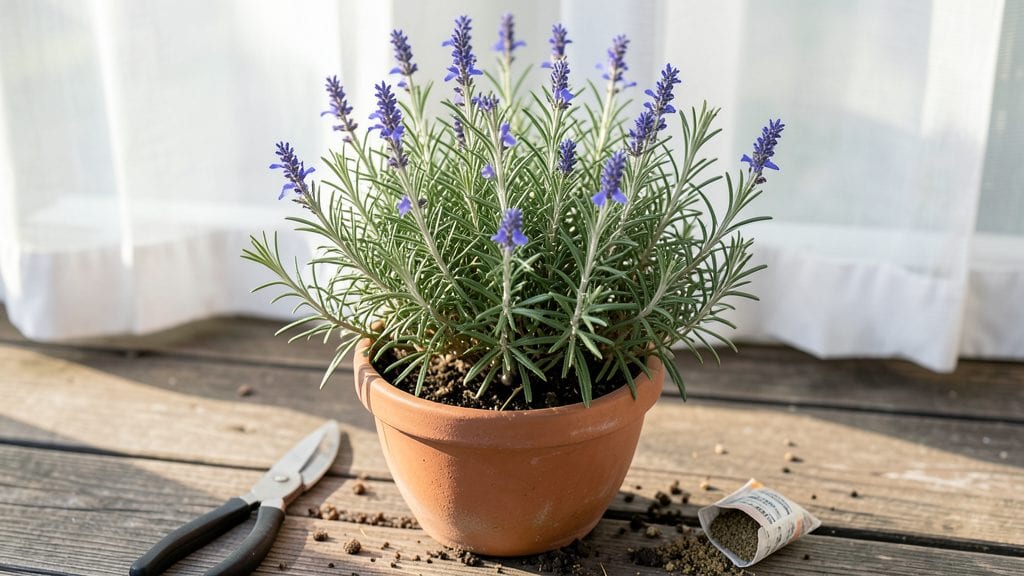
That first flush of rosemary bush flowers in your Pacific Northwest garden is worth every bit of patience—those delicate blue spires transform a fragrant herb into a showstopper. 🌿 I’ve grown rosemary for years here, and the key to blooms isn’t just sunlight or soil—it’s understanding how this Mediterranean plant adapts to our cooler, wetter climate.
Most gardeners assume rosemary won’t flower in our region, but with the right approach, you’ll see those first spikes in just 60 days.
The secret starts with well-draining soil—rosemary hates soggy roots—and a spot where it gets at least 6 hours of sun daily, even if it’s dappled. Watering is where many fail: too much turns leaves yellow, too little stunts growth.
Once established, rosemary thrives on neglect, but young plants need consistent moisture until their roots take hold. Pruning isn’t just about shape—it’s about encouraging new growth where flowers form.
By late spring, you’ll be rewarded with clusters of tiny blue flowers that attract bees and add a striking contrast to silvery-green foliage. The scent becomes even more intense when the plant blooms, and you can harvest sprigs for cooking or drying without sacrificing next year’s flowers.
This isn’t just an herb—it’s a textural and aromatic centerpiece that keeps giving.
Whether you’re growing in containers or in-ground, the same principles apply. The Pacific Northwest’s mild summers actually work in rosemary’s favor—no scorching heat to stress the plant. With these adjustments, your rosemary won’t just survive; it’ll flourish and bloom like a Mediterranean native. Let’s get those spires growing.
📚 In This Guide
- What you need
- Instructions
- Tips and common mistakes
- Wrapping up and next steps
What you need
- ● Rosemary plants: Choose provenance-specific varieties like Rosmarinus officinalis 'Prostratus' (for ground cover) or 'Blue Spires' (for upright growth). Buy 3–5 nursery starts (6–12 inches tall) for faster results or organic seeds for a budget-friendly DIY project.
- ● Well-draining soil: 50 lbs of a mix of 50% potting soil, 30% coarse sand or perlite, and 20% compost. Rosemary hates soggy roots!
- ● Container or garden bed: For containers: 3–5-gallon pots with drainage holes (one per plant). Use terracotta or fabric pots for best airflow.
- ● For in-ground planting: A sunny, south-facing spot with 6+ hours of sunlight daily and slightly alkaline soil (pH 6.0–7.0).
- ● Mulch: 2–3 inches of gravel or pine bark to retain moisture and regulate temperature.
- ● Gardening gloves (to protect your hands from prickly stems).
- ● Trowel or spade (for digging holes 2x wider than the root ball).
- ● Pruning shears (sharp, bypass-style for clean cuts).
- ● Watering can or hose with a gentle spray nozzle (rosemary dislikes heavy watering!).
- ○ pH testing kit (optional but helpful to check soil acidity).
- ○ Organic fertilizer (optional): Balanced 10-10-10 or low-nitrogen formula like fish emulsion or compost tea.
- ● Patience: Seeds take 60–90 days to sprout; nursery starts bloom faster (30–60 days).
- ● Drought tolerance: Once established, rosemary thrives with minimal watering (water 1–2 times per week in dry PNW summers).
- ● Cold hardiness: Protect young plants from frost (below 20°F/-7°C) with row covers or indoor overwintering.
Step-by-step guide to cultivating rosemary bush flowers in the Pacific Northwest
Here’s how I coax those iconic blue spires to thrive in our damp, cool climate—without the usual struggles.
🌱 Step 1: Select the Right Variety for Pacific Northwest Conditions
Not all rosemary handles our region’s cool, wet springs and mild summers equally. Choose ‘Arp’ rosemary or ‘Hill Hardy’—both tolerate 30°F lows and still produce flowers. Avoid tender Mediterranean varieties like ‘Tuscan Blue,’ which bolt in our damp winters.
Start with 4-inch nursery plants (not seed) for faster blooms. I’ve found that container-grown starts from local nurseries adapt better to our climate than mail-order seedlings. Look for stems with woody bases—a sign the plant’s mature enough to handle our winters.
☀️ Step 2: Position for Maximum Sun and Shelter
Rosemary needs full sun (6+ hours daily) but struggles with our Pacific Northwest’s persistent cloud cover. Place it where it gets south-facing exposure—even if it’s not perfect, it’ll still flower. A south-facing wall or raised bed warms the soil faster, which encourages blooming.
Shelter from winter winds—I tuck mine against a brick wall or under a shrub roof. In containers, use 15-gallon pots with drainage holes and move them to a garage or porch if frost threatens. Mulch with 3 inches of cedar chips to insulate roots without smothering the plant.
💧 Step 3: Water Deeply but Infrequently
Overwatering is the #1 killer of rosemary in our climate. Water deeply once a week (or when the top 2 inches of soil feel dry). Let the soil dry completely between waterings—rosemary’s native to drought-prone Mediterranean regions, and our damp winters mimic that.
I use a soaker hose to avoid wetting the foliage, which prevents fungal diseases like powdery mildew. If your rosemary’s leaves turn yellow or mushy, you’re overwatering. If they curl and drop, it’s thirsty—but don’t drown it to fix it.
✂️ Step 4: Prune for Bushier Growth and Flowers
Prune right after flowering (late spring to early summer) to encourage next year’s blooms. Cut back one-third of the oldest stems to the nearest leaf node. This prevents woody, leggy growth and keeps the plant compact—critical for our shorter growing seasons.
Use clean, sharp shears and make cuts at a 45-degree angle just above a leaf node. Avoid cutting into bare wood—rosemary won’t regrow from old wood. If your plant looks bare or leggy, it’s begging for a hard prune. I’ve revived several neglected bushes with a drastic cutback in early spring.
🌿 Step 5: Fertilize Lightly for Vigorous Blooms
Rosemary dislikes rich soil—too much nitrogen leads to leafy growth at the expense of flowers. In early spring, apply a balanced 10-10-10 fertilizer at half strength. Scatter granules 2 inches away from the base and water deeply to activate them.
I skip fertilizer in summer and fall—our cool, wet climate provides enough nutrients. If your rosemary’s leaves turn yellow with green veins, it’s phosphorus-deficient. A bonemeal top-dressing in spring fixes this without overfeeding.
⏰ Step 6: Protect from Winter’s Harshest Months
Our Pacific Northwest winters can drop below 25°F, which damages tender rosemary. Wrap young plants in burlap or frost cloth for the first two winters. Mature bushes (3+ years old) handle it better but still benefit from mulch protection.
If growing in containers, move pots to a sheltered garage or under an eave before consistent freezing. I’ve lost two rosemary plants by leaving them out in unprotected containers—don’t make my mistake. A thick layer of straw mulch (6+ inches) insulates roots even in freezing soil.
Tips & tricks for Pacific Northwest rosemary blooms
These hard-won insights will help you coax those stunning blue flower spikes out of rosemary—even in our famously challenging climate.
Variety Matters: The 30°F cold tolerance of 'Arp' and 'Hill Hardy' varieties is non-negotiable for our winters. I've seen 'Tuscan Blue' bolt after our first hard frost—don't make that mistake. For container growing, these hardy varieties also handle our damp springs better because their woody stems resist rot from prolonged moisture. Look for plants with established woody bases at the nursery, as these are the ones that'll survive our winters without protection.
Sunlight Strategy: Our persistent cloud cover means you'll need to maximize every sunbeam. Position your rosemary where it gets morning sun and afternoon shelter—think south-facing walls or raised beds that warm up faster. I've had success with reflective surfaces nearby (like light-colored gravel) that bounce extra light onto the plants. For container growers, rotate pots weekly to ensure even exposure on all sides, which prevents lopsided growth and encourages more uniform flowering.
Pruning Precision: That one-third pruning after flowering in Step 4 isn't just about aesthetics—it's about next year's blooms. Cut at a 45-degree angle just above leaf nodes to prevent water pooling that leads to fungal issues. I've revived several neglected bushes by doing a drastic cutback in early spring, removing all but the healthiest new growth. This aggressive approach forces the plant to focus its energy on producing new, vigorous stems that'll flower better than the old wood.
Winter Protection: The 25°F threshold is critical—any colder and you risk damage to tender new growth. For container plants, I've found that moving them under an eave or into an unheated garage extends their season by weeks. If you must leave them outside, wrap the pots in bubble wrap before adding the straw mulch—this creates an extra insulating layer. Remember, rosemary's Mediterranean roots mean it prefers dry winters, so avoid over-mulching or you'll smother the plant.
Pro Tips for Rosemary Bush Flowers
- These hard-won insights will help you coax those stunning blue flower spikes out of rosemary—even in our famously challenging climate.
- Variety Matters: The 30°F cold tolerance of 'Arp' and 'Hill Hardy' varieties is non-negotiable for our winters.
- Sunlight Strategy: Our persistent cloud cover means you'll need to maximize every sunbeam.
Frequently asked questions
Got questions about growing rosemary bush flowers in the Pacific Northwest? You’re not alone! Here are some of the most common queries—and their answers—to help you cultivate those stunning blue spires with confidence.
Do rosemary bush flowers actually bloom in the Pacific Northwest?
Yes! While rosemary is often grown for its fragrant foliage, certain varieties like Rosmarinus officinalis ‘Prostratus’ or Rosmarinus officinalis ‘Blue Spires’ can produce delicate lavender-blue flowers in mild PNW climates (Zones 7-10). Coastal areas with cooler summers may see fewer blooms, but well-drained soil and full sun still encourage flowering.
How long does it take for rosemary bush flowers to appear after planting?
Patience is key! Established rosemary bushes may take 1-2 years to flower, while younger plants might wait even longer. In the PNW’s cooler climate, blooms often appear in late spring to early summer (May-July) if given consistent care. Prune lightly after flowering to encourage new growth and future blooms.
Why isn’t my rosemary bush flowering?
Rosemary flowers need full sun (6+ hours/day) and well-draining soil—PNW’s damp winters can be tricky! Overwatering or poor drainage (common in clay-heavy soils) stresses the plant, delaying blooms. Try these fixes:
- Amend soil with gravel or sand for drainage.
- Water deeply but only when the top inch of soil is dry.
- Fertilize lightly in early spring with low-nitrogen, high-phosphorus (e.g., 5-10-10).
Can I grow rosemary bush flowers in containers in the PNW?
Containers are ideal for PNW’s variable weather. Use a 12-inch pot with drainage holes, fill with a cactus/succulent mix, and place in full sun. Move pots indoors during frost (below 20°F) or use a cold-hardy variety like Rosmarinus officinalis ‘Arp.’
Are rosemary bush flowers good for pollinators?
Yes! While not as showy as native PNW flowers, rosemary’s blooms attract bees and butterflies, especially in early summer. For extra pollinator appeal, plant alongside lavender, catmint, or native ceanothus—a winning combo for your garden’s buzzing visitors.
What’s a good alternative if rosemary flowers struggle in my PNW garden?
If rosemary’s finicky in your climate, try these drought-tolerant, blue-flowering PNW natives:
- Ceanothus (California lilac): Thrives in coastal areas, blooms spring-summer.
- Salvia ‘May Night’: Deep purple spikes, heat-tolerant.
- Lavandula angustifolia (English lavender): Hardy, fragrant, and pollinator-friendly.
Wrapping up and next steps
Growing rosemary bush flowers in the Pacific Northwest isn’t just rewarding—it’s a celebration of resilience and beauty! 🌿 With the right soil, sunlight, and care, you’ll be enjoying those stunning blue spires in just 60 days.
Whether you’re a seasoned gardener or a beginner, this hardy plant proves that even the toughest climates can yield stunning results.
Ready to take the next step? Start small—plant a single bush or share the love by gifting cuttings to fellow plant enthusiasts. Watch your garden transform into a fragrant, blue-hued paradise! 🌸