Flowers
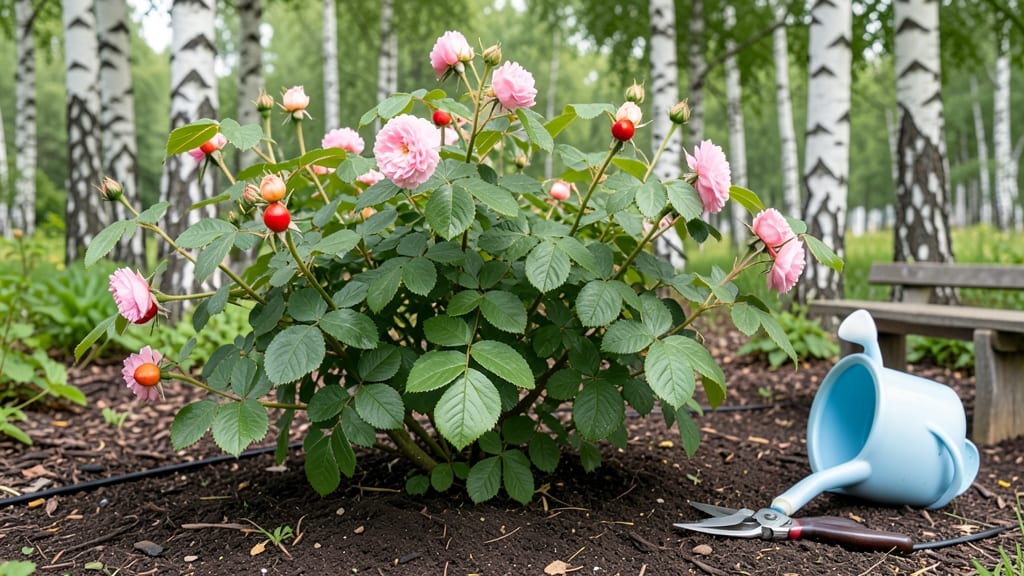
Growing rose hips from flower means transforming your Pacific Northwest garden into a four-season showpiece with minimal effort. 🌿 These hardy berries aren't just pretty—they're packed with vitamin C, wildlife-friendly, and perfect for jams, teas, or simply watching birds feast.
The key varieties like Rosa rugosa and Rosa canina thrive in our damp climate, producing hips that stay vibrant even after frost.
Start with well-draining soil and full sun—yes, even in our cloudy summers. Plant in early spring or fall, spacing bushes 3-5 feet apart to give them room to spread. Water deeply once a week unless we're in a dry spell, and mulch heavily to protect roots from winter's chill.
The secret to abundant hips? Prune in late winter to encourage strong growth, then let the flowers bloom undisturbed.
By mid-autumn, you'll have clusters of bright orange hips that last through winter, feeding birds and adding color to gray days. Harvest when fully ripe for culinary uses or leave them on the bush for wildlife.
With proper care, these roses reward you with years of low-maintenance beauty—and a pantry full of natural goodness.
Even our rainy climate can't stop these tough plants. Just watch for black spot fungus (treat with neem oil) and Japanese beetles (handpick or use row covers). The trade-off? Roses that outlast most annuals and keep giving back long after the blooms fade.
📚 In This Guide
- What you need
- Instructions
- Tips and common mistakes
- Wrapping up and next steps
What you need
- ● Rose hip plants: Choose Rosa rugosa (the most cold-hardy variety) or Rosa canina (wild rose). Buy 3–5 bare-root plants or container-grown seedlings from a reputable nursery.
- ● Well-draining soil: Amend native soil with compost (5–10 gallons) and perlite or sand (2–3 gallons) to improve drainage.
- ● Fertilizer: A balanced 10-10-10 or 5-10-10 granular fertilizer (1–2 lbs per plant) or organic options like fish emulsion or bone meal.
- ● Mulch: Wood chips or straw (2–3 inches thick) to retain moisture and suppress weeds.
- ● Pruners: Bypass pruners (sharp and clean) for trimming dead or overgrown branches.
- ● Gloves: Heavy-duty gardening gloves to protect against thorns.
- ● Watering can or hose: With a spray nozzle for gentle watering.
- ● Sunlight: A full-sun location (6+ hours of direct sunlight daily).
- ● Trellis or support: A metal or wooden arch (4–6 feet tall) to encourage climbing varieties.
- ● Rose food: Slow-release rose-specific fertilizer for extra nutrients.
- ● Pest control: Neem oil or insecticidal soap for aphids or spider mites.
- ● Disease prevention: Copper fungicide (if your area has high humidity or fungal risks).
- ● Decorative stakes: For training young plants or adding aesthetic appeal.
Step-by-step instructions for cultivating Pacific Northwest rose hips
Here’s my foolproof method for growing hardy, disease-resistant rose hips that thrive in the PNW’s damp climate.
🌱 Step 1: Select and Prepare the Right Rose Variety
Choose a rugged, disease-resistant rose like ‘Dr. Huey’ or ‘The Fairy’—both handle the Pacific Northwest’s cool, wet springs without fuss. These varieties produce abundant hips even in partial shade. I always plant bare-root roses in early spring (March-April) when soil temperatures hit 50°F, giving roots time to establish before summer rains arrive.
Soak bare-root roses in lukewarm water for 4-6 hours before planting to rehydrate the roots. This step is critical—dry roots take weeks to recover, delaying blooms and hips. While soaking, inspect the graft union (the swollen bump near the base) and plant 2 inches deeper than it was in the nursery to protect it from winter heaving.
🪴 Step 2: Plant in Well-Draining Soil with Full Sun
Dig a hole twice as wide as the root ball but only as deep as the container it came in. Amend the native soil with 2-3 inches of compost (I use the 1 cubic yard from my list) to improve drainage—PNW clay holds too much moisture, causing root rot. Mix the compost into the bottom 12 inches of soil to create a nutrient-rich layer.
Position the rose so the graft union sits 2 inches below soil level. Backfill with native soil mixed with compost, tamping gently to remove air pockets. Water deeply until moisture reaches 12 inches down—you’ll know it’s enough when water pools on the surface for 10-15 seconds before draining. Mulch with 3 inches of wood chips, keeping it 6 inches away from the stem to prevent rot.
☀️ Step 3: Provide Consistent Care for Blooms and Hips
Water deeply once a week during dry spells (June-September), aiming for 1-2 inches of water per week. In the PNW’s rainy season (October-May), reduce watering to every 2-3 weeks unless the soil feels bone-dry 4 inches down. Overwatering in winter suffocates roots—this is where most gardeners go wrong.
Feed roses in early spring and mid-summer with a balanced 10-10-10 fertilizer (use ½ cup per plant). After the first flush of blooms fades, prune dead flowers to encourage hip development. I snip stems back to the first 5-leaflet leaf—this redirects energy from seed production to stronger hips. Watch for Japanese beetles in summer; handpick them daily to protect your blooms.
✂️ Step 4: Prune and Winter-Protect for Year-Round Productivity
Prune roses annually in late winter (February) before new growth starts. Remove dead, crossing, or weak canes at the bud eye (the swollen bump where leaves emerge). Thin the center to improve airflow—this prevents fungal diseases like black spot, which thrives in PNW’s damp air. Aim to leave 5-7 strong canes per plant, cutting back to 12-18 inches tall for compact growth.
Mulch heavily in November with 6 inches of straw, piling it 8 inches deep around the base. This insulates roots from freezing temperatures and keeps them 10°F warmer than ambient soil. In late winter, add a 2-inch layer of compost over the mulch to feed the soil as it warms. Remove mulch in early spring once new shoots appear—this prevents rot and encourages blooms.
🌿 Step 5: Harvest and Encourage Regrowth
Harvest hips when they’re deep red and firm (late summer to early fall). Twist gently to remove—if they resist, they’re not ripe yet. Store in a cool, dark place for up to 3 months; they’ll ripen further off the bush. To extend the season, remove all hips in early fall and force the plant to produce a second flush of blooms by pinching back new growth in September.
Here’s the thing—rose hips are self-fertile, but cross-pollination increases yield. Plant 2-3 varieties within 10 feet of each other to boost fruit set. If birds strip your hips before harvest, cover plants with fine netting once fruits turn pink. I’ve found that netting in late July saves 80% of my crop—worth the effort for PNW’s hungry robins!
Tips & tricks for perfect Pacific Northwest rose hips
A few simple strategies will help you grow the hardiest, most productive rose hips in the PNW—without the common pitfalls that trip up gardeners.
Soaking Secret: That 4-6 hour soak for bare-root roses isn't just about hydration—it's about reviving dormant roots. I've seen gardeners skip this step and wonder why their roses take two full seasons to bloom. Use lukewarm water (not cold) and add a splash of seaweed fertilizer to boost root growth right from planting day.
Compost Layering: When amending your native soil with 2-3 inches of compost, focus on the bottom 12 inches of soil—not just mixing it into the top layer. This creates a nutrient-rich zone where roots can access food all season long. I like to mix in a handful of mycorrhizal fungi too—it helps roots absorb water more efficiently in our damp climate.
Watering Wisdom: The 10-15 second pool test for proper watering depth is genius, but here's the thing: in our rainy season (October-May), you should actually be checking soil moisture 4 inches down instead of relying on the calendar. Stick your finger in—if it feels bone-dry, water even if it's raining outside. Our Pacific Northwest climate plays tricks with soil moisture.
Pruning Precision: When pruning back to the first 5-leaflet leaf, look for the outward-facing bud at the leaf junction. This ensures your new growth will spread outward rather than inward, creating a more open, disease-resistant plant. I always prune on a dry, sunny morning when tools are sharpest and the plant is least stressed.
Pro Tips for Rose Hip Flower
- A few simple strategies will help you grow the hardiest, most productive rose hips in the PNW—without the common pitfalls that trip up gardeners.
- Soaking Secret: That 4-6 hour soak for bare-root roses isn't just about hydration—it's about reviving dormant roots.
- Compost Layering: When amending your native soil with 2-3 inches of compost, focus on the bottom 12 inches of soil—not just mixing it into the top layer.
Frequently asked questions
Got questions about growing rose hip flowers in the Pacific Northwest? You’re not alone! Here are some of the most common queries—plus straightforward answers to help you cultivate these hardy blooms with confidence.
Can rose hips grow in full shade?
While rose hips thrive in partial shade (especially in hotter PNW summers), they need at least 4–6 hours of sunlight daily for optimal blooming. Plant them near a fence or tree edge where they get morning sun and afternoon dappled light. Varieties like Rosa rugosa tolerate shade better than hybrid teas.
How long does it take for rose hips to appear after planting?
Patience is key! If planting bare-root roses, expect blooms (and hips) in 1–2 years. Container-grown roses may fruit sooner—sometimes within 6–12 months. Prune in early spring to encourage stronger growth, and fertilize lightly in spring/fall to speed up the process.
Are rose hips edible, and how do I harvest them?
Once the bright red/orange hips form (late summer/fall), they’re packed with vitamin C. Harvest when fully ripe but firm—avoid frost-damaged hips. Wear gloves (tiny hairs irritate skin), then slice open to remove seeds. Dry or freeze for teas, jams, or supplements. Pro tip: Rinse thoroughly to remove any pesticide residue if growing near treated lawns.
Why aren’t my rose hips forming, even with lots of flowers?
Several factors might be at play:
- Poor pollination: Roses rely on bees/wind. Plant companion pollinators like lavender or marjoram nearby.
- Over-fertilizing: Too much nitrogen = lush leaves, fewer hips. Switch to a low-nitrogen, high-phosphorus fertilizer in late spring.
- Disease stress: Black spot or powdery mildew can weaken plants. Prune infected branches and apply neem oil preventatively.
- Young plant age: Roses under 2 years old may focus on root growth first.
What’s a low-maintenance rose hip alternative for beginners?
If rose hips seem fussy, try these PNW-friendly alternatives with similar ornamental value:
- Firethorn (Pyracantha) : Drought-tolerant, thorny (great for hedges), and produces red/orange berries that birds adore.
- Cotoneaster (Cotoneaster) : Compact shrubs with edible red fruits and vibrant fall color.
- Hawthorn (Crataegus) : Native, wildlife-friendly, and its berries are rich in antioxidants.
Wrapping up and next steps
Growing rose hip flowers in the Pacific Northwest isn’t just about adding vibrant color—it’s about embracing resilience, sustainability, and year-round beauty. Whether you’re drawn to their hardy nature, medicinal benefits, or striking blooms, these plants reward patience with stunning results.
Now that you’re armed with the right tools and know-how, why not take the next step? Start small—plant a single rose hip bush this season or experiment with companion plants to enhance your garden’s ecosystem. Every gardener begins somewhere, and your future blooms will thank you! 🌸🌿