
Flowers
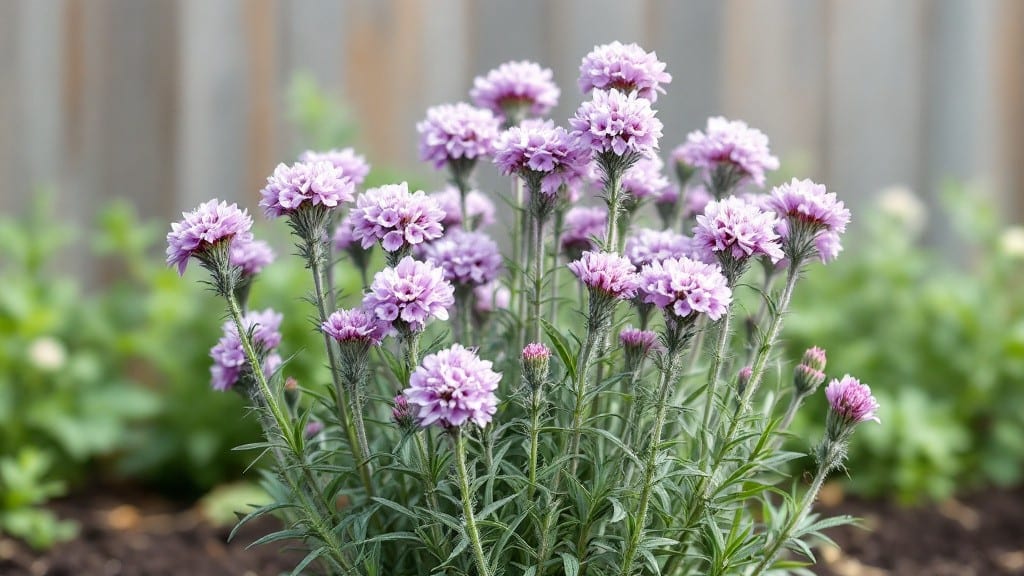
Growing purple sweet William flowers in the Pacific Northwest means you get frost-resistant blooms that thrive where others falter. 🌿 I’ve seen these delicate clusters survive our damp winters only to burst into color by spring—proof that they’re built for our climate.
The key lies in understanding their love for cool weather and well-drained soil, which keeps their roots happy even when temperatures dip.
These flowers are surprisingly easy to grow from seed, which you can start indoors 8-10 weeks before your last frost or directly in the garden after soil warms. They prefer full sun to partial shade and bloom from late spring through summer, giving you weeks of cheerful color.
For pruning, a simple deadheading after flowering encourages a second flush of blooms—no fancy techniques required.
What makes them special is their versatility: use them in borders, cottage gardens, or cut for arrangements that last 7-10 days in a vase. The fragrance is a bonus—subtle but sweet, perfect for attracting pollinators while adding charm to your space.
With the right care, you’ll have a garden that’s both hardy and stunning, no matter what the PNW throws at it.
Whether you’re planting seeds this fall or dividing established clumps in early spring, these flowers reward patience with low-maintenance beauty. Let’s get those purple clusters thriving in your garden!
📚 In This Guide
- What you need
- Instructions
- Tips and common mistakes
- Wrapping up and next steps
What you need
- ● Purple Sweet William Seeds or Plants: Choose Dianthus barbatus seeds or nursery-grown plants (6-12 plants for a vibrant garden bed).
- ● Well-Draining Soil: Mix 1 part compost with 2 parts garden soil (pH 6.0–7.0).
- ● Full Sun Location: A spot with 6+ hours of sunlight daily (Pacific Northwest partial shade works too!).
- ● Watering Can or Hose: With a gentle spray nozzle for delicate watering.
- ● Organic Mulch: 2–3 inches of shredded bark or straw to retain moisture.
- ● Garden Trowel or Transplanter (for digging and spacing seeds/plants).
- ● Pruning Shears (sharp, bypass-style for clean cuts).
- ● Fertilizer: Balanced 10-10-10 or fish emulsion (apply lightly after planting).
- ○ Row Cover or Frost Cloth (optional, for early spring frost protection in PNW).
- ● Stakes or Trellis (if growing tall varieties for support).
Step-by-Step instructions for planting and pruning purple Sweet William in the Pacific Northwest
Here's the straightforward method I've used to grow vibrant, frost-hardy Purple Sweet William year after year in the PNW's cool climate.
🌱 Step 1: Choose the Right Planting Time and Location
Purple Sweet William thrives when planted in early spring or late summer—both times avoid the worst of our wet winters. I always plant mine in late August to early September for fall blooms that last through winter's chill. Pick a spot with partial shade (morning sun, afternoon shade) to protect the delicate blooms from harsh afternoon rays.
This flower handles our damp climate beautifully, but it needs well-draining soil—amend heavy garden beds with 2-3 inches of compost before planting. The roots should never sit in soggy soil, which leads to rot. If your yard has clay-heavy soil, raise the plants in containers with drainage holes instead.
☀️ Step 2: Plant Seeds or Transplants at the Correct Depth
If starting from seed, sow them ¼ inch deep in rows spaced 12-15 inches apart. I like to plant seeds in early spring so they establish roots before summer heat arrives. For transplants, dig holes twice as wide as the root ball and place them at the same depth they grew in their pots.
Water deeply right after planting to settle the soil around the roots. You'll know it's right when the soil looks evenly moist but not muddy. Mulch with 2 inches of shredded bark to retain moisture and protect roots from temperature swings—our PNW winters can fluctuate wildly.
💧 Step 3: Water Consistently Without Overdoing It
Keep the soil evenly moist but never soggy—Purple Sweet William wilts easily when thirsty but rots just as quickly if overwatered. Water once a week in spring/fall, but reduce to every 10-14 days once established. The plants develop deep roots that store moisture, making them surprisingly drought-tolerant once mature.
Check moisture by sticking your finger 1 inch into the soil—if it feels dry, water deeply. In summer, you might need to water every 5-7 days, but always let the top inch dry between waterings. Yellowing leaves usually mean overwatering, while crispy edges signal thirst.
✂️ Step 4: Deadhead and Prune for Longer Blooms
Pinch back the first flush of blooms in early summer to encourage bushier growth. Then, deadhead spent flowers every 2-3 weeks by snipping the stems ½ inch above the next set of leaves. This redirecting energy keeps the plant flowering until late fall—sometimes even through winter if we get a mild one.
After the first frost, cut back the foliage by ⅓ to tidy the plant. The roots stay dormant but protected under mulch, ready to burst back into growth when spring arrives. Never cut into old wood—always leave some green growth to sustain the plant through winter.
⏰ Step 5: Prepare for Winter and Next Year's Growth
In late fall, add a 2-inch layer of mulch around the base to insulate roots from freezing temperatures. Purple Sweet William handles frost like a champ, but extra protection ensures it returns stronger next year. I also fertilize lightly in early spring with a balanced 10-10-10 to jumpstart growth.
Watch for aphids or powdery mildew—common in our damp climate. Spray affected leaves with neem oil if you spot these pests early. With proper care, your plants will reward you with cheerful blooms for years, even through our grayest PNW winters.
Tips & tricks for perfect purple Sweet William flowers
These simple strategies will help you grow thriving Purple Sweet William that blooms beautifully through our PNW winters.
Soil Preparation Tip: In Step 1, when amending your garden beds with 2-3 inches of compost, mix in a handful of coarse sand or perlite if your soil feels dense. This improves drainage without compromising moisture retention—critical for preventing root rot in our wet climate. I've found that adding a thin layer of gravel at the bottom of containers also helps if you're growing in pots.
Planting Depth Secret: For Step 2, when sowing seeds at ¼ inch deep, use your finger to create small furrows rather than pressing seeds directly into the soil. This ensures consistent depth and prevents overcrowding. For transplants, gently loosen the root ball before placing in the hole—it encourages faster establishment in our cool summers.
Watering Wisdom: In Step 3, the "evenly moist but never soggy" guideline is key. I've learned to water in the morning so excess moisture evaporates by evening, reducing fungal risks. For container plants, check moisture by lifting the pot—if it feels light, it's time to water. This method prevents overwatering while keeping roots happy.
Pruning Precision: When deadheading in Step 4, use clean, sharp pruners and make cuts at a 45-degree angle just above a leaf node. This encourages new growth and prevents disease. I've found that pruning on a cloudy day reduces stress on the plant compared to hot afternoons.
Pro Tips for Purple Sweet William Flower
- These simple strategies will help you grow thriving Purple Sweet William that blooms beautifully through our PNW winters.
- Soil Preparation Tip: In Step 1, when amending your garden beds with 2-3 inches of compost, mix in a handful of coarse sand or perlite if your soil feels dense.
- Planting Depth Secret: For Step 2, when sowing seeds at ¼ inch deep, use your finger to create small furrows rather than pressing seeds directly into the soil.
Frequently asked questions
Got questions about growing purple sweet william flowers in the Pacific Northwest? You’re not alone! Here are answers to the most common concerns—whether you’re a first-time gardener or a seasoned green thumb.
When is the best time to plant purple sweet william in the PNW?
Plant Dianthus barbatus in early spring (March–April) or late summer (August–September) for best results. This timing avoids extreme heat or frost, giving roots time to establish before winter. For fall-blooming varieties, start seeds indoors 6–8 weeks before the last frost date.
How cold-hardy is purple sweet william in the PNW?
This frost-resistant beauty thrives in USDA Zones 3–9, making it perfect for the PNW’s chilly winters. While mature plants tolerate light frost, young seedlings need protection from hard freezes (<15°F). Mulch around the base in winter for extra insulation.
Can I grow purple sweet william from seed, or should I buy transplants?
Both work! Seeds are budget-friendly but slower (60–90 days to bloom). Transplants (from nurseries) skip the wait but may cost more. For faster color, opt for transplants; for variety, try seeds. Pro tip: Soak seeds overnight to improve germination rates!
How do I keep purple sweet william blooming all season?
Deadhead spent flowers regularly to encourage new blooms. Cut back faded stems to 2–3 inches above the base after the first flush of flowers. Fertilize lightly with a balanced 10-10-10 mix every 4–6 weeks, and water at the base (not leaves) to prevent mildew.
What pests or diseases should I watch for in PNW gardens?
Common issues include aphids, slugs, and powdery mildew. Use neem oil for aphids, beer traps for slugs, and ensure good airflow to prevent mildew. Avoid overhead watering, and remove infected leaves promptly. Most problems are preventable with proper care!
Wrapping up and next steps
Growing purple sweet william in the Pacific Northwest is a rewarding experience—this hardy, frost-resistant flower thrives with minimal fuss and bursts into vibrant color year after year. Whether you’re a seasoned gardener or just starting, its low-maintenance charm makes it the perfect addition to borders, bouquets, or pollinator-friendly gardens. 🌸
Now that you’re armed with planting, pruning, and care tips, why not take the next step? Start with a small patch in your garden, experiment with companion plants, or even share cuttings with fellow PNW gardeners. Your garden—and the bees—will thank you!