Flowers
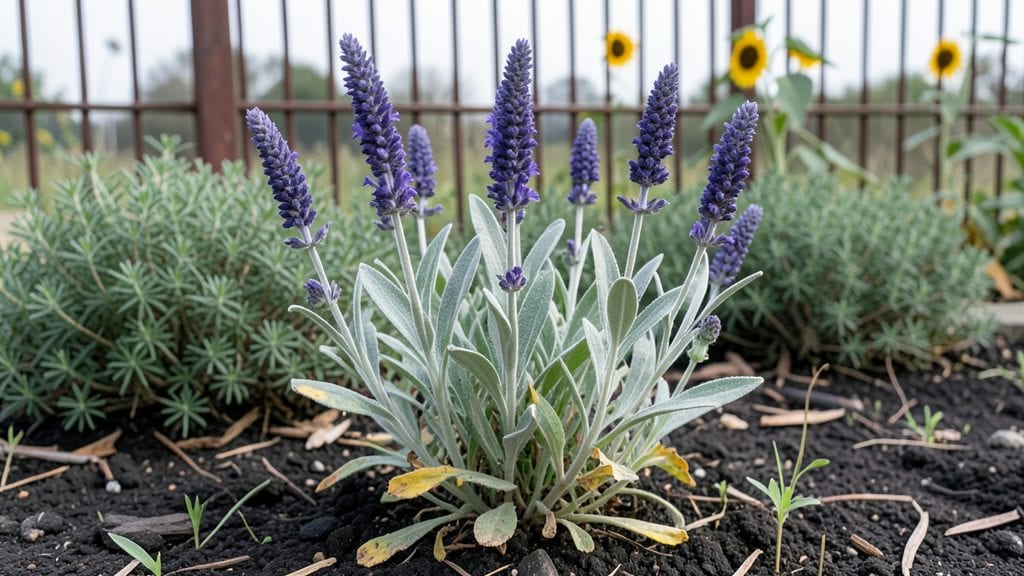
Those purple spiked flowers turn your Pacific Northwest garden into a hummingbird magnet. 🌿 I planted Salvia nemorosa along my fence last spring, and by July, the air buzzed with pollinators—something my previous gardens never attracted.
The vertical drama of their flower spikes creates natural height, while their deep purple hues pop against the region's soft greens and grays.
These plants thrive in partial shade to full sun, making them perfect for borders, containers, or as dramatic focal points.
Pair them with silver foliage plants like lamb's ear or dusty miller for contrast, or tuck them beside yellow blooms like black-eyed Susans to create a vibrant color dance. Delphiniums, with their towering spikes, work beautifully in cottage-style gardens, while Canna's bold foliage adds tropical flair to modern landscapes.
You'll love how these plants transform empty spaces into lively pollinator hubs. The vertical structure draws the eye upward, while their late-summer blooming season extends color when many other flowers fade.
Plus, they're low-maintenance—just deadhead spent blooms to encourage more flowers and watch your garden become a buzzing, blooming paradise.
For containers, choose compact varieties like Salvia 'May Night' or Kniphofia 'Little Maid.' In borders, mix heights by pairing tall Delphiniums with shorter Salvias. And don't forget to add a few native companions like Oregon grape or sword ferns to create an authentic Pacific Northwest feel that supports local wildlife.
📚 In This Guide
- What you need
- Instructions
- Tips and common mistakes
- Wrapping up and next steps
What you need
- ● Purple spiked flowers: Seeds (e.g., Echinacea purpurea or Liatris spicata): 1–2 packets (20–50 seeds each)
- ● OR Potted transplants: 3–5 plants (check local nurseries for PNW-friendly varieties)
- ● OR Bulbs (if planting Allium varieties): 10–15 bulbs
- ● Soil: Well-draining, slightly acidic to neutral pH (6.0–7.0). Mix in compost (1 part compost to 3 parts native soil) for nutrient boost.
- ● Sunlight: Full sun (6+ hours/day) or partial shade (for woodland varieties like Heuchera companions).
- ● Water: Drip irrigation or watering can (1–1.5 gallons per plant weekly, adjust for rain).
- ● Required: Garden trowel or transplant spade
- ○ Gloves (optional but handy for prickly stems!)
- ● Mulch (2–3 inches of shredded bark or straw to retain moisture)
- ○ Optional (but helpful!): Soil pH tester (to fine-tune acidity)
- ● Pollinator-friendly companion plants (e.g., Salvia or Yarrow)
- ● Stakes or cages (for tall varieties like Liatris)
- ● Know your USDA Hardiness Zone (PNW: Zones 5–9). Choose flowers rated for your zone!
- ● Check bloom times—some spike flowers (like Echinacea) bloom mid-to-late summer.
- ● Plan for wildlife: These flowers attract bees, butterflies, and hummingbirds—perfect for eco-friendly gardens!
Step-by-Step guide for cultivating Pacific Northwest pollinator-friendly purple spikes
Here's how to establish a thriving pollinator garden using native purple-spiked flowers that thrive in the PNW climate.
🌱 Step 1: Select and Prepare the Planting Site
Choose a location with partial shade to full sun—most purple-spiked natives like 6-8 hours of sunlight daily but tolerate morning shade in hotter inland areas. Test your soil's drainage by digging a 6-inch hole and filling it with water; if it drains in under 30 minutes, your site is ideal. In heavy clay soils common to the PNW, amend with 2-3 inches of compost mixed into the top 6 inches of soil.
I always clear competing weeds first—these pollinator plants need space to establish strong root systems. Use a broadfork to loosen compacted soil without disturbing the natural soil structure. The goal is to create a loose, airy environment that encourages beneficial fungal networks while preventing waterlogging.
🌿 Step 2: Choose and Plant Native Purple-Spiked Species
For the Pacific Northwest, focus on Penstemon species (like Penstemon serrulatus or Penstemon spectabilis) or Lupinus varieties that produce striking purple flower spikes. Plant in early spring or fall when temperatures are mild (50-65°F) to reduce transplant shock. Dig holes twice as wide as the root ball but only as deep—planting too deep suffocates the crown.
Space plants 12-18 inches apart for smaller species like penstemon or 24-36 inches apart for larger lupines. The reason for this spacing is to allow airflow between plants, which dramatically reduces fungal diseases common in the damp PNW climate. Water deeply immediately after planting to settle the soil around roots.
☀️ Step 3: Establish Watering and Maintenance Routine
Water newly planted spikes deeply once weekly for the first 4-6 weeks until you see new growth—this encourages deep root development. After establishment, most native purple spikes are drought-tolerant once established, but I water every 10-14 days during summer dry spells to maintain bloom production. The key is to water early in the morning to prevent fungal spores from splashing onto leaves.
Mulch with 2-3 inches of wood chips around (not touching) the base of plants to retain moisture and suppress weeds. I always leave a 2-inch gap around stems to prevent rot. Deadhead spent flower spikes by cutting back to the first set of healthy leaves—this redirects energy to root growth rather than seed production, resulting in stronger plants for next year's blooms.
✂️ Step 4: Prune and Prepare for Winter Dormancy
After the first hard frost (typically late October in the PNW), cut back all stems to 2-3 inches above ground level. This prevents snow accumulation from breaking stems and removes potential disease harborers. The reason we don't cut back earlier is that many purple-spiked natives store nutrients in their stems for spring regrowth.
In late winter (February), apply a 1-inch layer of compost around plants but avoid direct contact with stems. This timing gives beneficial microbes time to colonize before new growth begins. Most native purple spikes are cold-hardy to Zone 3, but I always monitor winter conditions—if we get unusually warm spells followed by freezes, I protect young plants with a lightweight frost blanket.
Tips & tricks for perfect Pacific Northwest pollinator gardens
Creating a thriving pollinator garden with purple-spiked flowers takes more than just planting—it's about understanding the unique needs of these PNW natives.
Soil Preparation Secret: The 30-minute drainage test in Step 1 is non-negotiable for PNW gardens. If your soil drains slower than that, mix in 2-3 inches of compost into the top 6 inches of soil to improve structure. I've seen heavy clay soils transform completely after this treatment—roots develop much faster when they're not waterlogged. The key is working compost into the existing soil rather than just adding it on top.
Planting Depth Matters: When planting in Step 2, think of the hole as an "inverted cone"—twice as wide at the bottom as the root ball but only as deep. Planting too deep suffocates the crown and can lead to rot. I always use my finger to check depth—if the crown sits just above soil level, you're golden. For larger lupines, consider planting in slight mounds to improve drainage in our wet winters.
Watering Wisdom: The weekly watering routine in Step 3 works wonders, but timing is everything. Watering early in the morning prevents fungal spores from splashing onto leaves—a common issue in our damp climate. I set my timer for 6 AM so the foliage has all day to dry. For established plants, the 10-14 day interval during summer dry spells keeps them blooming without overwatering.
Winter Protection Strategy: That February compost application in Step 4 is your secret weapon for next year's blooms. The 1-inch layer gives beneficial microbes time to colonize before spring growth begins. I've found that adding a thin layer of straw mulch over the compost in late winter provides extra insulation during those unpredictable PNW freezes. Most purple-spiked natives are Zone 3 hardy, but young plants benefit from that lightweight frost blanket during temperature swings.
Pro Tips for Purple Spiked Flowers
- Creating a thriving pollinator garden with purple-spiked flowers takes more than just planting—it's about understanding the unique needs of these PNW natives.
- Soil Preparation Secret: The 30-minute drainage test in Step 1 is non-negotiable for PNW gardens.
- Planting Depth Matters: When planting in Step 2, think of the hole as an "inverted cone"—twice as wide at the bottom as the root ball but only as deep.
Frequently asked questions
Got questions about purple spiked flowers?
You’re not alone! These striking blooms—like Echinacea purpurea (coneflower) or Verbascum phoeniceum (mullein)—are beloved but come with their own quirks. Here’s what people ask most often, answered in a snap.
What are the most common purple spiked flowers in the Pacific Northwest?
The PNW’s top picks include Echinacea purpurea (purple coneflower), Verbascum phoeniceum (flaming mullein), and Lavandula angustifolia (lavender). All thrive in the region’s mild, moist climate and attract pollinators like bees and butterflies. For native gardens, Lupinus (lupine) is another spiky purple stunner!
When is the best time to plant purple spiked flowers in the PNW?
For perennials like coneflower or mullein, spring (March–May) is ideal—after the last frost but before summer heat. Biennials (like foxglove) should go in early fall for spring blooms. Always check seed packets for PNW-specific timing, as coastal vs. inland microclimates vary!
Do purple spiked flowers really attract more pollinators than other colors?
Purple’s ultraviolet patterns (invisible to humans but visible to bees) act like neon signs. Spiky blooms also provide landing platforms for butterflies and moths. Pair them with white or yellow flowers for a pollinator magnet combo—think lavender + coneflower!
Are there low-maintenance alternatives to purple spiked flowers?
Yes! Try Salvia nemorosa (purple sage)—drought-tolerant and deer-resistant—or Agastache (hyssop), which thrives in poor soil. For ground cover, Heuchera (coral bells) adds purple spikes with minimal fuss. All are PNW-friendly and pollinator-approved!
Why are my purple spiked flowers wilting or not blooming?
Common culprits:
- Overwatering: Spiky flowers like mullein hate soggy roots—ensure well-draining soil.
- Too much fertilizer: Feed lightly in spring; too much = leafy growth, no flowers.
- Deadheading delay: Snip spent blooms to encourage reblooming.
- Pests: Check for aphids or Japanese beetles—neem oil helps!
If the problem persists, test soil pH (aim for 6.0–7.0) or move to full sun (6+ hours/day).
Wrapping up and next steps
From Lupines to Penstemons, the Pacific Northwest’s purple spiked flowers aren’t just a feast for the eyes—they’re a lifeline for bees, butterflies, and hummingbirds. 🌿✨ These hardy blooms prove that beauty and biodiversity go hand in hand, offering gardeners an easy way to make a real difference.
Ready to transform your outdoor space into a buzzing haven?
Start small: plant a single spike, then watch as it inspires bigger changes. Whether you’re a seasoned gardener or a curious beginner, every purple bloom is a step toward a greener, more vibrant future. Your garden—and the pollinators—will thank you!
- Next step: Pick one flower from this list and add it to your shopping cart or sketch a planting plan today!