
Flowers
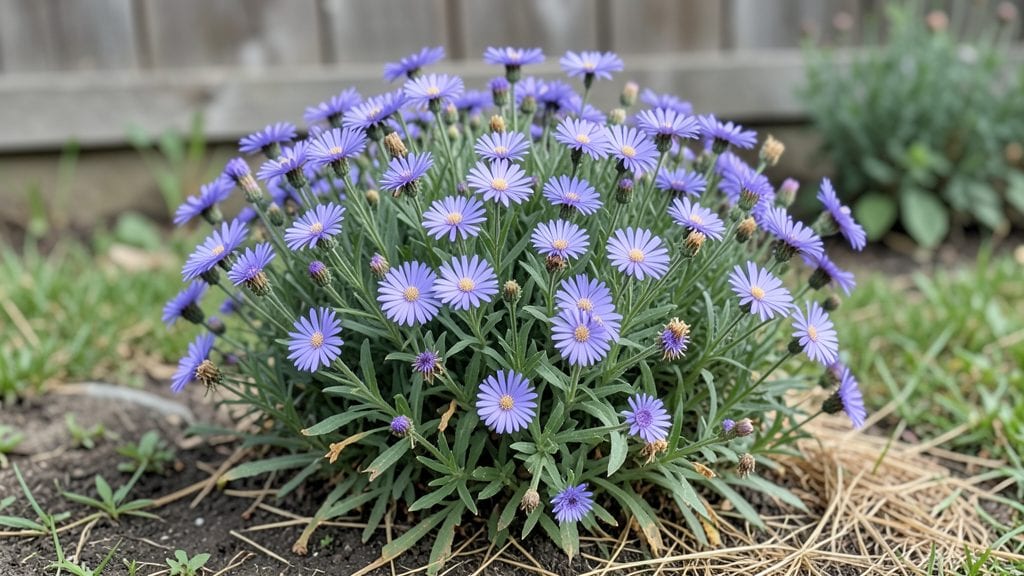
That velvety purple daisy-like flower could be the star of your Pacific Northwest garden—imagine the Pacific giant fleabane (Erigeron speciosus) and purple coneflower (Echinacea purpurea) bringing bold, soft lavender hues that hum with bees and... butterflies while thriving in our cool, damp summers.
Their daisy-like faces—ruffled petals framing dark centers—create movement in borders and mixed beds, especially when planted alongside silver foliage or deep blues.
Their real magic lies in how they work together. Pair purple coneflowers with black-eyed Susans for a cottage-garden feel, or tuck Pacific giant fleabane into wildflower meadows where its airy stems sway in the breeze.
Both handle rain and partial shade better than most daisies, making them the unsung heroes of PNW gardens where sun is scarce. The secret? Let them naturalize—they’ll spread into lush, low-maintenance drifts that bloom from early summer through fall.
Imagine a border where these purples glow against salvia or catmint, their colors deepening as the light shifts from morning to evening. Or a pollinator patch where their nectar-rich blooms draw hummingbirds and monarchs while keeping maintenance simple.
These aren’t just flowers—they’re the backbone of a garden that feels alive, even on cloudy days. Let’s design a space where they shine.
Works in full sun to partial shade, from coastal gardens to inland valleys. The key? Group them in odd-numbered clusters (3, 5, or 7 plants) to create natural focal points. Your garden will reward you with color that lasts—and bees that never stop buzzing by.
📚 In This Guide
- What you need
- Instructions
- Tips and common mistakes
- Wrapping up and next steps
What you need
- ● Seeds or nursery plants: 1–5 packets of Erigeron (e.g., Erigeron speciosus ‘Blue Horizon’ or ‘Blue Horizon Purple’) OR
- ● 1–3 Achillea (yarrow) plants (e.g., Achillea millefolium ‘Moonshine’ or ‘Terracotta’)
- ● Well-draining soil: Mix 1 part native soil with 1 part compost (avoid heavy clay!).
- ● Sunlight access: A full-sun location (6+ hours of direct sunlight daily).
- ● Watering can or hose: With a gentle spray nozzle for seedlings.
- ● Garden trowel (for digging holes, 6–8 inches deep).
- ● Gloves (to protect hands from prickly Achillea stems).
- ○ Mulch (2–3 inches of straw or wood chips to retain moisture). Optional but recommended!
- ● Fertilizer: Slow-release balanced fertilizer (10-10-10) or compost tea (sprinkle lightly at planting).
- ● Pruners (for deadheading spent blooms and shaping plants).
- ○ Pollinator-friendly companions: Plant optional neighbors like lavender, bee balm, or coneflowers to attract more butterflies and bees! 🐝
- ● 🌡️ Timing: Plant seeds indoors 6–8 weeks before last frost or directly outdoors in early spring (March–April in the PNW).
- ● ✨ Soil pH: Aim for 6.0–7.0 (test with a kit if unsure). These flowers thrive in slightly acidic to neutral soil.
- ● 💧 Watering: Keep soil consistently moist but not soggy until established (first 2–3 weeks). After that, water deeply 1–2 times per week.
How to grow Pacific Northwest pollinator-friendly purple daisy-like flowers
These vibrant blooms thrive in the region's mild climate and attract bees, butterflies, and hummingbirds like nothing else.
Select the Right Variety for Your Climate
The Pacific Northwest's cool, moist summers suit Erigeron speciosus (Showy Daisy) or Achillea millefolium (Yarrow) best for their purple hues and hardiness. Both tolerate USDA Zones 3-9, making them perfect for coastal and inland gardens alike. I always choose Erigeron for its compact, bushy growth—ideal for borders—while Yarrow spreads wider, perfect for meadow-style plantings.
Check your microclimate: Coastal areas benefit from Yarrow's drought tolerance, while inland spots thrive with Erigeron's moisture-loving roots. Avoid African daisies (Osteospermum)—they’re not cold-hardy and won’t survive PNW winters. Nurseries like Willamette Valley Native Plant Nursery carry excellent native selections.
Prepare the Planting Site for Optimal Growth
Choose a location with 6+ hours of sunlight, though Erigeron tolerates partial shade in hot inland summers. Amend the soil with 2-3 inches of compost to improve drainage—these plants hate soggy roots. I test soil pH first; 6.0-7.0 is ideal. If your soil is acidic (common in PNW), add pulverized limestone to raise the pH gradually.
Loosen the top 12 inches of soil with a garden fork to aerate roots. For containers, use a well-draining mix (equal parts potting soil, perlite, and compost). Plant in early spring (March-April) or late summer (August-September) to avoid frost damage. Space plants 18-24 inches apart—crowding leads to weak stems and fewer blooms.
Plant and Establish for Long-Lasting Blooms
Dig holes twice as wide as the root ball but no deeper. Gently remove plants from containers and tease apart roots if pot-bound. Place each plant so the top of the root ball sits level with the soil surface—burying too deep causes rot. Backfill with native soil, firming lightly to eliminate air pockets.
Water deeply immediately after planting to settle roots, then maintain 1 inch of water per week (more in summer). Mulch with 2 inches of shredded bark to retain moisture and suppress weeds. Avoid over-fertilizing—these plants prefer lean soil. You’ll see first blooms in 6-8 weeks if conditions are right.
Maintain for Continuous Flowering and Pollinator Appeal
Deadhead spent blooms weekly to encourage prolonged flowering. Cut back 1/3 of the plant after the first flush of flowers in early summer—this triggers a second bloom cycle in late summer. Feed lightly with balanced 10-10-10 fertilizer in spring only; too much nitrogen reduces flowering.
Watch for aphids or powdery mildew—common in PNW’s damp summers. Spray affected leaves with neem oil or insecticidal soap at the first sign. These plants are drought-tolerant once established, but consistent moisture in the first year ensures strong roots. Divide clumps every 3-4 years to rejuvenate growth.
Overwinter for Next Year’s Blooms
Cut back dead foliage to 2 inches in late fall, but leave low-growing stems for winter interest. Mulch heavily (4-6 inches) with straw or leaves to insulate roots. Erigeron and Yarrow are fully cold-hardy, but young plants may need extra protection in Zone 3 winters. In spring, remove mulch as new growth appears—first shoots emerge in March in most PNW regions.
Prune back any frost-damaged stems in early spring before new growth starts. These perennials self-seed minimally, so remove unwanted seedlings in early spring to prevent overcrowding. With proper care, your plants will bloom for 5+ years, providing year-round pollinator support from early spring to frost.
Tips & tricks for perfect Pacific Northwest pollinator-friendly purple flowers
Here's what nobody tells you about growing these stunning blooms that'll transform your garden into a pollinator paradise.
Variety Selection Matters: When choosing between Erigeron and Yarrow, consider your garden's purpose. Erigeron's compact growth makes it perfect for borders and containers, while Yarrow's spreading habit creates stunning meadow-like displays. For maximum pollinator impact, I recommend planting both varieties—their different bloom times create continuous nectar sources from early summer through fall.
Soil Preparation is Non-Negotiable: The 6.0-7.0 pH range and well-draining soil are critical for preventing root rot, which can kill these plants quickly. I always test my soil before planting and amend with compost and limestone as needed. For containers, that well-draining mix (equal parts potting soil, perlite, and compost) is absolutely essential—these plants will sulk in soggy conditions.
Planting Depth and Spacing: Those holes should be twice as wide as the root ball but no deeper—burying too deep causes rot that's hard to recover from. When spacing 18-24 inches apart, think about mature plant size. Yarrow will spread aggressively, while Erigeron stays more contained. This spacing prevents competition that leads to weak stems and fewer blooms.
Watering Wisdom: The 1 inch per week guideline is perfect for established plants, but newly planted flowers need that deep watering immediately after planting to settle roots. In summer, you might need to increase to 1.5 inches weekly, especially for Erigeron which prefers more moisture. I always water in the morning to prevent fungal issues from damp foliage overnight.
Pro Tips for Purple Daisy Like Flower
- Here's what nobody tells you about growing these stunning blooms that'll transform your garden into a pollinator paradise.
- Variety Selection Matters: When choosing between Erigeron and Yarrow, consider your garden's purpose.
- Soil Preparation is Non-Negotiable: The 6.0-7.0 pH range and well-draining soil are critical for preventing root rot, which can kill these plants quickly.
Frequently asked questions
Got questions about growing or identifying purple daisy-like flowers in the Pacific Northwest? You’re not alone! Here are some of the most common queries—and their answers—to help you thrive with these pollinator magnets.
What are the best purple daisy-like flowers for PNW gardens?
Top picks include Erigeron speciosus (Pacific Coast Fleabane), Leucanthemum × superbum (Shasta Daisy hybrids), and Erigeron karvinskianus (Seaside Daisy). These thrive in the PNW’s mild, wet climate and attract bees, butterflies, and hummingbirds. Pro tip: Choose native species like Fleabane for low-maintenance resilience!
When is the best time to plant these flowers?
For spring blooms, plant seeds in early spring (March–April) or transplants in fall (September–October). Perennials like Fleabane establish best with a head start—avoid late-summer planting, as they may struggle with winter wetness. Divide mature clumps in early spring for propagation.
How do I keep purple daisy-like flowers blooming all season?
Deadhead spent blooms regularly to encourage reblooming. Feed lightly with balanced fertilizer (10-10-10) in early spring, and mulch with compost or cedar chips to retain moisture. Water at the base early in the morning to prevent fungal issues like powdery mildew.
Why aren’t bees visiting my purple daisy-like flowers?
Check for these common issues:
- Timing: Bees favor flowers open in morning sunlight (6 AM–10 AM).
- Pesticides: Avoid neonicotinoids—opt for organic sprays or companion planting (e.g., marigolds repel pests).
- Water stress: Wilting flowers may lack nectar. Ensure 1 inch of water weekly.
If problems persist, try planting native companions like Lupinus (lupine) to attract pollinators.
What if my flowers turn brown or wilt unexpectedly?
Brown edges or wilting often signal overwatering or root rot. Ensure pots/drainage beds have holes, and avoid soggy soil. Fungal issues? Prune affected stems and treat with baking soda spray (1 tsp baking soda + 1 quart water). For heat stress (uncommon in PNW but possible in summer), provide afternoon shade.
Wrapping up and next steps
Discovering the purple daisy-like flower—like the stunning Erigeron speciosus or Leucanthemum vulgare—is more than just a treat for the eyes; it’s a gift to the Pacific Northwest’s ecosystem. These vibrant blooms attract pollinators, boost biodiversity, and bring joy to gardens with minimal effort.
Whether you’re a seasoned gardener or a curious beginner, adding these flowers to your space is a rewarding step toward supporting local wildlife.
Ready to take action? Start small: plant a few seeds, observe their growth, and share your progress with fellow plant enthusiasts. Every purple daisy-like flower you nurture helps paint the PNW with color—and life! 🌸🐝