
Flowers
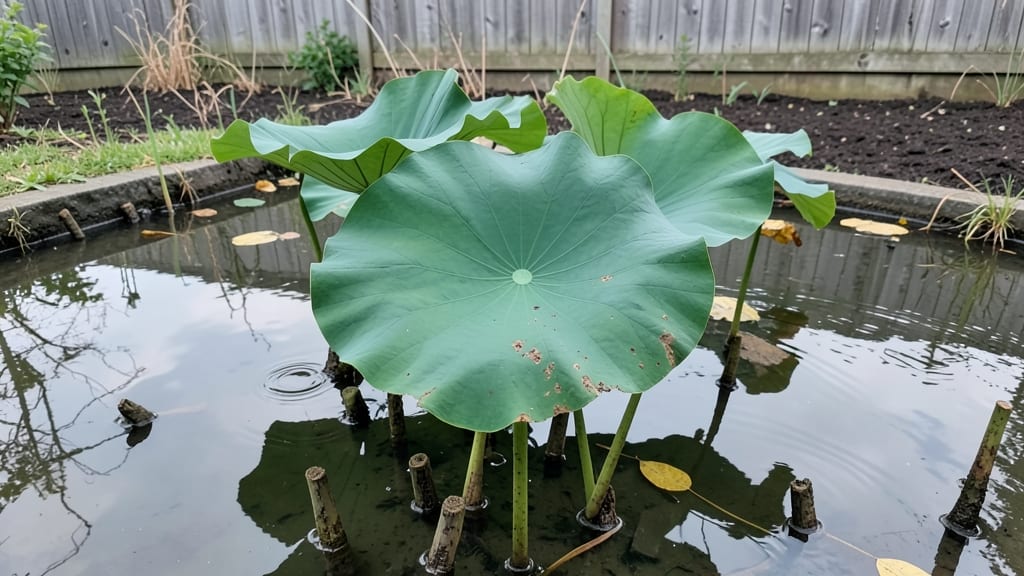
Growing pond lotus flowers (Nelumbo nucifera) means waking up to sunburst blooms floating like golden lanterns on your water feature. 🌸 I’ve watched these ancient beauties transform a simple pond into a serene sanctuary—all while demanding less fuss than a houseplant.
The secret lies in their love of still water, warm sun, and rich soil beneath their roots.
You’ll need a container or pond at least 18 inches deep, filtered sunlight, and a nutrient boost from organic compost mixed into the soil. Planting’s simple: place the rhizomes in 3-4 feet of water during spring, and within weeks, you’ll see those iconic pads unfurling.
Even beginners nail this—just avoid overcrowding, and they’ll reward you with blooms from summer through fall.
By midseason, your pond becomes a living painting: velvety pink or golden-yellow flowers that open at dawn and close by dusk, their fragrance drifting across the water. The lotus’s symbolic depth—purity, resilience—makes it more than decoration; it’s a piece of living art.
Plus, the pads double as natural shade for fish or frogs, creating a self-sustaining ecosystem.
Troubleshooting is minimal: stagnant water? Add a small fountain. Pest issues? Duckweed or snails? A net or barriers solve it. With proper care, your lotus will naturalize, blooming year after year with almost no effort. Ready to turn your pond into a tranquil masterpiece?
📚 In This Guide
- What you need
- Instructions
- Tips and common mistakes
- Wrapping up and next steps
What you need
- ● Pond Lotus Tubers: 1–3 tubers per plant (choose healthy, firm tubers with visible eyes)
- ● Varieties: Nelumbo nucifera (Asian lotus) or Nelumbo lutea (American yellow lotus)
- ● Pond or Container: Minimum depth: 18–24 inches (deeper for larger varieties)
- ● Size: At least 3–4 feet in diameter per plant (lotuses spread!)
- ○ Optional: Pre-formed pond liner or waterproof container (if not planting directly in a pond)
- ● Gravel or Aquatic Soil: 1–2 gallons of coarse gravel (1/4–1/2 inch) or aquatic planting mix
- ● Water: Fresh, dechlorinated water (use a water conditioner if tap water is used)
- ● Stagnant or slow-moving water (avoid fast currents)
- ● Basic Gardening Tools: Trowel or small shovel
- ○ Gloves (optional but recommended)
- ● Fertilizer: Slow-release aquatic fertilizer tablets (e.g., Fish Emissions or pond lotus food)
- ● Floating Plants: Water hyacinth or water lilies to shade tubers (prevents overheating in summer)
- ● Pond Decor: Rocks, driftwood, or solar-powered fountains for aesthetic appeal
- ● Thermometer: To monitor water temperature (ideal range: 65–85°F)
How to grow pond lotus flowers for stunning year-round blooms
Here's the straightforward approach I've used to cultivate vibrant pond lotuses—minimal effort, maximum reward.
🪴 Step 1: Select the Right Container and Planting Site
Choose a container that's at least 18 inches deep with plenty of drainage holes—pond lotuses need 12+ inches of soil depth to establish strong roots. I prefer fiberglass or plastic tubs because they resist rot and won't crack in freezing temperatures. Place the container in 3-5 feet of water, ensuring the rim stays above the waterline to prevent root rot.
The ideal location gets full sun (6-8 hours daily)—no compromise here. If your pond is shaded, lotuses will grow leaves but rarely bloom. I position mine in the southernmost part of the pond where sunlight hits first thing in the morning. Test the depth by placing the container in water and marking the waterline—this ensures proper submersion once planted.
🌱 Step 2: Plant Rhizomes at the Correct Depth and Spacing
Plant pond lotus rhizomes horizontally at a depth of 4-6 inches below the soil surface, with the eyes (growth points) facing upward. Space them 12-18 inches apart—crowding leads to weak stems and fewer blooms. I like to plant them in late spring (after last frost) when water temperatures reach 65-75°F, which speeds up establishment.
Cover the rhizomes with 2-3 inches of soil, then add 1-2 inches of aquatic planting mix on top. Press gently to remove air pockets but don’t compact the soil. The rhizomes will send out roots downward and shoots upward within 3-4 weeks—watch for the first green shoots breaking the surface as your signal that planting was successful.
☀️ Step 3: Maintain Water Quality and Sunlight for Continuous Blooms
Pond lotuses thrive in clean, still water with a pH of 6.0-7.5. Test your pond water monthly—if it smells or looks murky, add barley straw or a pond clarifier to prevent algae buildup, which competes with lotus roots for nutrients. I fertilize lightly in early summer with slow-release aquatic tabs, following package instructions for dosage.
During hot summer months, lotuses may need partial shade (30-50%) to prevent leaf scorch. You’ll notice leaves curling or turning yellow if they’re getting too much direct midday heat. Adjust the container’s position gradually—don’t move it suddenly, or you’ll shock the plant. Blooms typically appear 6-8 weeks after planting, and with proper care, they’ll continue throughout the growing season.
✂️ Step 4: Prune and Overwinter for Next Year’s Growth
After blooming, trim spent flower stalks at the base to redirect energy to root growth. Leave the leaves intact—they photosynthesize and feed the rhizomes. In fall, when water temperatures drop below 50°F, reduce fertilization and stop pruning. I leave the container in place through winter, as lotus rhizomes are hardy to USDA Zone 5 if submerged.
In early spring, remove any dead or yellowed leaves and top-dress the soil with 1 inch of fresh aquatic mix. Avoid disturbing the rhizomes—lotuses resent being moved once established. If your pond freezes, the ice will insulate the container naturally, protecting the roots until temperatures rise again.
Tips & tricks for perfect pond lotus flower cultivation
Here's what I've learned after years of growing these stunning aquatic beauties—simple secrets that make all the difference.
Container Selection: Don't overlook the importance of container material! While fiberglass and plastic work well, you can also use heavy-duty ceramic containers if you live in warmer climates (Zone 6+). Just ensure they're properly weighted to prevent floating. In colder zones, add a layer of pond-safe insulation around the container sides to protect roots during winter freezes. The 18-inch depth requirement is non-negotiable—shallower containers will stunt root development and reduce blooming potential.
Sunlight Strategy: The 6-8 hours of daily sunlight is your golden rule, but here's the trick: position your container to capture morning sun first. Lotus leaves can handle midday heat better than afternoon sun, which often brings intense UV rays that can scorch delicate foliage. I've found that moving containers slightly eastward in summer months (when sun is higher) prevents leaf burn while maintaining bloom production. Watch for leaves curling—this is your plant's way of saying "I need shade!"
Rhizome Planting: When planting those 4-6 inch deep rhizomes, here's a pro move: soak them in lukewarm water for 12-24 hours before planting. This jumpstarts root growth and gives you that 3-4 week establishment period even faster. For the 12-18 inch spacing, think of it like arranging dinner plates—leave room for each plant to spread its leaves without touching neighbors. Crowding creates competition that leads to weak stems and fewer blooms.
Water Quality: That 6.0-7.5 pH range is crucial, but don't stress about perfect numbers—lotuses are surprisingly forgiving. The real secret is consistency. I test my pond water every 4-6 weeks rather than monthly, and adjust only when I notice algae blooms or fish acting strangely. For natural pH balancing, add a handful of crushed coral or limestone chips to your planting mix—they'll gradually buffer the water over time without harsh chemical treatments.
Pro Tips for Pond Lotus Flower
- Here's what I've learned after years of growing these stunning aquatic beauties—simple secrets that make all the difference.
- Container Selection: Don't overlook the importance of container material!
- Sunlight Strategy: The 6-8 hours of daily sunlight is your golden rule, but here's the trick: position your container to capture morning sun first.
Frequently asked questions
Got questions about growing pond lotus flowers? You're not alone! Here are some of the most common queries—and their simple, no-fuss answers.
How long does it take for a pond lotus to bloom after planting?
A pond lotus typically takes 3–5 years to bloom from seed, but if you plant a mature rhizome, you may see flowers in just 1–2 years. Patience is key—these beauties reward long-term care with stunning blooms! For faster results, opt for established rhizomes from a trusted nursery.
Can I grow a pond lotus in a small container or just a pond?
While pond lotus thrives in deep ponds (at least 18–24 inches of water), they can adapt to large containers (like whale tubs) with proper drainage and space. Just ensure the container is wide enough (3+ feet in diameter) and filled with pond water or nutrient-rich soil at the bottom. Avoid tiny pots—they’ll struggle!
Do pond lotus flowers need full sun, or can they tolerate partial shade?
Pond lotus loves full sun (6+ hours daily) for vibrant blooms, but they can tolerate partial shade (4–6 hours) in hotter climates. In shadier spots, expect smaller flowers and slower growth. If your pond is shaded (e.g., by trees), consider adding a floating plant like water hyacinth to boost sunlight exposure.
Are pond lotus flowers toxic to pets or wildlife?
Pond lotus rhizomes and flowers are non-toxic to pets and wildlife, making them a safe addition to ponds. However, avoid using chemical treatments near them—stick to organic pest control (like neem oil) to keep your ecosystem healthy. Frogs, dragonflies, and even ducks may visit, so enjoy the extra wildlife!
How do I protect my pond lotus in winter?
In cold climates (USDA Zones 5–8), pond lotus rhizomes can survive winter if planted in deep water (2+ feet). For extra protection, mulch the pond edges with leaves or straw and avoid disturbing the plants. In frozen ponds, add a pond de-icer to keep a small hole open. In colder zones (below 5), dig up rhizomes and store them in moist peat moss in a cool, dark place until spring.
What should I do if my pond lotus leaves turn yellow?
Yellowing leaves often signal nutrient deficiency, poor water quality, or root rot. Check these fixes:
- Water quality: Test for high ammonia/nitrates and perform a partial water change.
- Nutrients: Add a slow-release fertilizer or compost tea to the pond soil.
- Root health: Ensure rhizomes aren’t buried too deep (they need partial sunlight).
- Pests: Inspect for snails or aphids and treat organically.
Wrapping up and next steps
Growing a pond lotus flower is a rewarding journey that brings serenity and beauty to any water garden with minimal effort! 🌸 Whether you’re a seasoned gardener or just starting, these hardy blooms thrive in the right conditions—sunlight, patience, and a little love.
The key takeaway? With the right setup, your lotus can flourish year-round, turning your pond into a tranquil oasis.
Ready to dive in? Start small—plant a single tuber and watch as it transforms your space. Next up: Share your progress with fellow plant lovers or explore advanced tips like pruning for bigger blooms! 🌊✨