Flowers
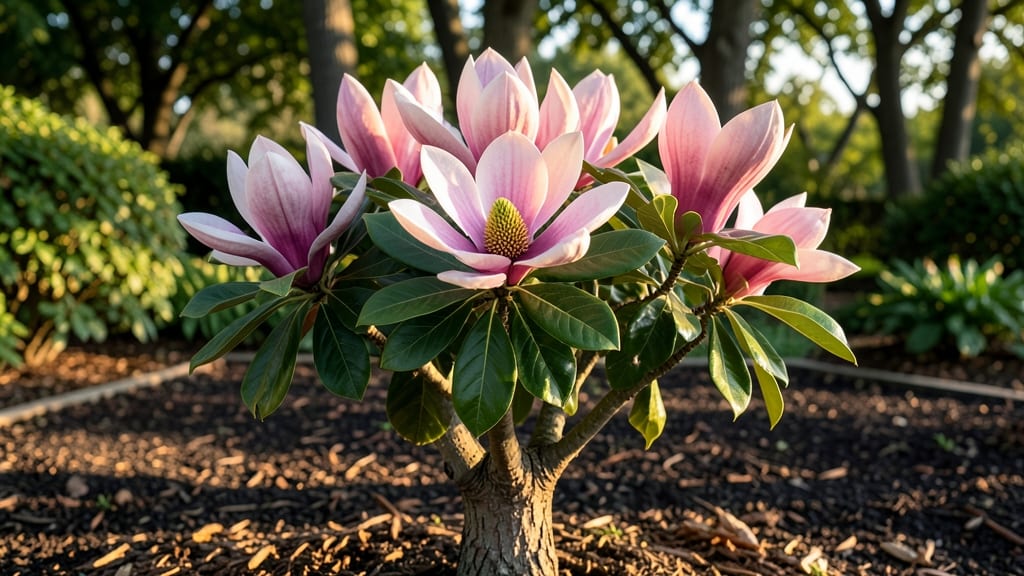
There’s nothing quite like the pink magnolia flower in spring—its velvety blooms and intoxicating fragrance transform any Pacific Northwest garden into a romantic retreat. 🌸 I’ve seen them steal the show in everything from rustic cottage gardens to sleek modern landscapes, proving their versatility is just as stunning as their petals.
The secret to their impact lies in placement: position them where their scent drifts toward seating areas or pathways, and their glossy leaves create dappled shade for delicate perennials. Pair with azaleas for layered color or boxwood for structured contrast—both highlight the magnolia’s natural elegance without competing.
In shade gardens, they become the star, their pale pink blooms glowing against dark evergreens.
You’ll love how they anchor seasonal transitions—early blooms in late winter, fresh foliage through summer, and fiery fall color. Their height (15–25 feet) makes them perfect as focal points or natural privacy screens, while dwarf varieties work beautifully in smaller spaces.
The fragrance alone makes them worth planting, but their design flexibility is the real game-changer.
For a cohesive look, repeat their color in nearby blooms (think peonies or hydrangeas) or let their soft pink stand alone against bold textures like ornamental grasses. Whether you’re going for cottage charm or minimalist sophistication, these trees deliver drama with minimal effort. Let’s make your garden their stage!
📚 In This Guide
- What you need
- Instructions
- Tips and common mistakes
- Wrapping up and next steps
What you need
- ● Pink Magnolia Variety: Choose between: Magnolia × soulangeana (French Pink Magnolia) – Cold-hardy and fragrant
- ● Magnolia stellata (Star Magnolia) – Compact and early bloomer
- ● Container or Planting Site: For container gardening: 15–20 gallon pot with drainage holes (1 per plant)
- ● For in-ground planting: Well-draining soil in a sunny to partially shaded spot (6+ hours of light)
- ● Soil Amendments (if needed): 2–3 lbs of compost or peat moss (to improve drainage)
- ● 1 lb of slow-release fertilizer (10-10-10 ratio) or organic options like fish emulsion
- ● Mulch: 2–3 inches of pine bark or wood chips (to retain moisture and regulate soil temp)
- ● Planting Tools: Garden trowel or spade
- ● Pruning shears (for shaping or post-planting trimming)
- ● Watering Supplies: Watering can or hose with a gentle spray nozzle
- ○ Optional: Drip irrigation kit for container plants
- ● Safety Gear (if handling large trees): Work gloves
- ● Knee pads (for in-ground planting)
- ● Prerequisites: Know your USDA Hardiness Zone (Pink Magnolias thrive in Zones 4–9)
- ● Check local frost dates (plant after the last frost in spring or in early fall)
- ● Epsom salt (1 tbsp/month in water for magnesium boost)
- ● Slow-release fertilizer spikes (for containers)
- ● Decorative stakes or rings (to support young trees)
- ● Bird netting (to protect blooms from hungry critters!)
Step-by-Step guide to planting and caring for pink magnolias
Here's how to establish these fragrant giants in your Pacific Northwest garden—where they'll thrive for decades.
🌱 Step 1: Choose the Perfect Planting Site
Pink magnolias (Magnolia × soulangeana) demand full sun to partial shade—at least 6 hours of direct light daily—but appreciate afternoon shade in hotter microclimates. In the Pacific Northwest, where summers can be mild but winters damp, select a spot with morning sun and afternoon dappled light to prevent leaf scorch while maintaining blooms.
Test your site by observing how sunlight moves across the area throughout a typical day. Look for well-draining soil—magnolias despise soggy roots. If your soil stays wet for more than 24 hours after heavy rain, amend with 3-4 inches of organic matter (like compost or leaf mold) mixed into the top 12 inches of soil. The ideal pH range is 5.0-6.5, slightly acidic.
🪴 Step 2: Plant at the Right Time and Depth
Plant your bare-root or container-grown magnolia in early spring or fall, when temperatures are 50-65°F—this gives roots time to establish before summer heat or winter dormancy. Dig a hole twice as wide as the root ball but no deeper—magnolias hate having their crown buried too deeply, which invites rot.
Loosen the roots gently if they're circling in the container, then place the plant in the hole so the top of the root ball sits level with the surrounding soil. Backfill with native soil mixed with half compost to encourage root spread. Water deeply to settle the soil, then create a 2-inch-high berm around the base to direct water away from the stem. Mulch with 3 inches of wood chips, keeping it 6 inches away from the trunk to prevent moisture buildup.
☀️ Step 3: Water Deeply and Protect Young Roots
Water your magnolia once a week for the first month, providing 1-2 gallons per inch of trunk diameter (e.g., a 3-inch trunk needs 3-6 gallons). After establishment, water deeply every 10-14 days—magnolias are drought-tolerant once mature but need consistent moisture to develop strong root systems. Check soil moisture by digging 2 inches deep; if it feels dry, water again.
In the Pacific Northwest’s wet winters, ensure proper drainage by avoiding low spots where water pools. If your yard has heavy clay, consider raising beds slightly or installing French drains to prevent root suffocation. Young magnolias are vulnerable to crown rot—never let water sit at the base for more than 48 hours.
✂️ Step 4: Prune for Shape and Bloom Health
Prune your magnolia immediately after flowering (late spring) to avoid cutting off next year’s buds, which form on old wood. Remove dead, crossing, or weak branches first, then shape by thinning out 10-15% of the canopy to improve airflow. Never prune more than 25% of the foliage in one season—magnolias are slow to recover.
Use clean, sharp pruners to make cuts just outside the branch collar (the swollen area where the branch meets the trunk). Seal larger cuts (over ½ inch) with pruning sealant to prevent disease entry. Avoid heavy pruning in fall or winter, as it stimulates new growth that may not harden off before frost. In the Pacific Northwest, where winters are mild but damp, sterilize tools with rubbing alcohol between cuts to prevent fungal spread.
🌿 Step 5: Fertilize and Mulch for Long-Term Health
Feed your magnolia once a year in early spring with a balanced, slow-release fertilizer (10-10-10 or 8-3-9) applied at ½ the recommended rate. Over-fertilizing encourages leafy growth at the expense of flowers. Scatter granules 6 inches from the trunk and water deeply to activate them. Avoid high-nitrogen fertilizers, which promote weak, disease-prone growth.
Replenish the 3-inch layer of wood-chip mulch annually in late winter or early spring. This conserves moisture, regulates soil temperature, and suppresses weeds. Keep mulch 6 inches away from the trunk to prevent rot. In the Pacific Northwest’s rainy climate, remove old mulch before adding fresh layers to prevent compaction and fungal growth. Your magnolia’s fragrant blooms will reward you for decades if you prioritize root health over quick fixes.
Tips & tricks for perfect pink magnolia planting
These pro tips will help your magnolia thrive for decades in Pacific Northwest conditions—where the climate can make or break success.
Site Selection Secret: In Step 1, when choosing your planting site, watch for microclimates by observing sunlight patterns throughout the day. The Pacific Northwest's variable weather means morning sun with afternoon shade is ideal—this prevents leaf scorch while maintaining those signature blooms. I've seen magnolias struggle in full afternoon sun, even with our mild summers.
Root Health Strategy: For Step 2, when planting, don't be afraid to go wider than needed—dig that hole twice as wide as the root ball. This encourages outward root growth rather than circling, which is especially important in our heavy clay soils. The 50-65°F temperature window is critical; planting outside these temps stresses young roots before they can establish.
Watering Wisdom: In Step 3, the "deeply every 10-14 days" guideline assumes well-draining soil. If you're in heavy clay, consider installing a French drain or creating a raised bed—this prevents that dreaded crown rot from sitting water. I learned this the hard way after losing two young magnolias to soggy roots in my backyard's low spot.
Pruning Precision: When pruning in Step 4, remember that magnolia buds form on old wood. That means you're actually pruning last year's growth to encourage this year's blooms. Use sterilized tools between cuts to prevent fungal spread—our damp winters make this especially important. The 10-15% thinning rule gives you plenty of room to shape while maintaining airflow.
Pro Tips for Pink Magnolia Flower
- These pro tips will help your magnolia thrive for decades in Pacific Northwest conditions—where the climate can make or break success.
- Site Selection Secret: In Step 1, when choosing your planting site, watch for microclimates by observing sunlight patterns throughout the day.
- Root Health Strategy: For Step 2, when planting, don't be afraid to go wider than needed—dig that hole twice as wide as the root ball.
Frequently asked questions
Got questions about growing or enjoying pink magnolia flowers? Here are some of the most common ones—plus answers to help you make the most of these fragrant beauties in your Pacific Northwest garden!
When is the best time to plant pink magnolia trees?
Plant pink magnolia trees in early spring or fall when temperatures are mild (50–70°F). Avoid extreme heat or frost, as these can stress young roots. The Pacific Northwest’s wet springs make early spring ideal—just ensure the soil isn’t soggy!
How do I encourage more blooms on my pink magnolia?
Pink magnolias thrive with full sun (6+ hours daily) and well-draining soil. Prune lightly after blooming to shape the tree, but avoid heavy cuts—this can reduce next year’s flowers. Fertilize in early spring with a balanced, slow-release formula (like 10-10-10) for extra vigor.
Are pink magnolias prone to pests or diseases?
While generally hardy, pink magnolias may face aphids, scale, or powdery mildew in humid PNW climates. Inspect leaves regularly and treat pests with neem oil or insecticidal soap. Improve airflow by pruning dense branches, and avoid overhead watering to prevent fungal issues.
Can I grow pink magnolias in containers?
Yes! Dwarf varieties like Magnolia × soulangeana ‘Liliflora’ work well in large containers (15+ gallons). Use a mix of potting soil and compost, and repot every 2–3 years. Place in a spot with morning sun and afternoon shade to protect roots from drying out.
Why aren’t my pink magnolia flowers opening?
Bud blast (unopened flowers) often happens due to late frosts, drought, or over-fertilizing. Protect young blooms with frost cloth if frost is forecast. Water deeply during dry spells, and avoid high-nitrogen fertilizers, which prioritize foliage over flowers. Patience helps—some varieties take 3–5 years to mature!
Wrapping up and next steps
The pink magnolia flower is more than just a stunning addition to your Pacific Northwest garden—it’s a symbol of resilience, fragrance, and timeless beauty.
Whether you’re drawn to its delicate blooms, hardy nature, or the joy of nurturing a plant that thrives in your climate, this flower brings magic to any outdoor space. 🌸
Ready to bring home your own slice of spring? Start by researching local nurseries or reputable online sellers to find a healthy pink magnolia tree. Then, roll up your sleeves and give it the love it deserves—your garden (and future pollinators!) will thank you.