
Flowers
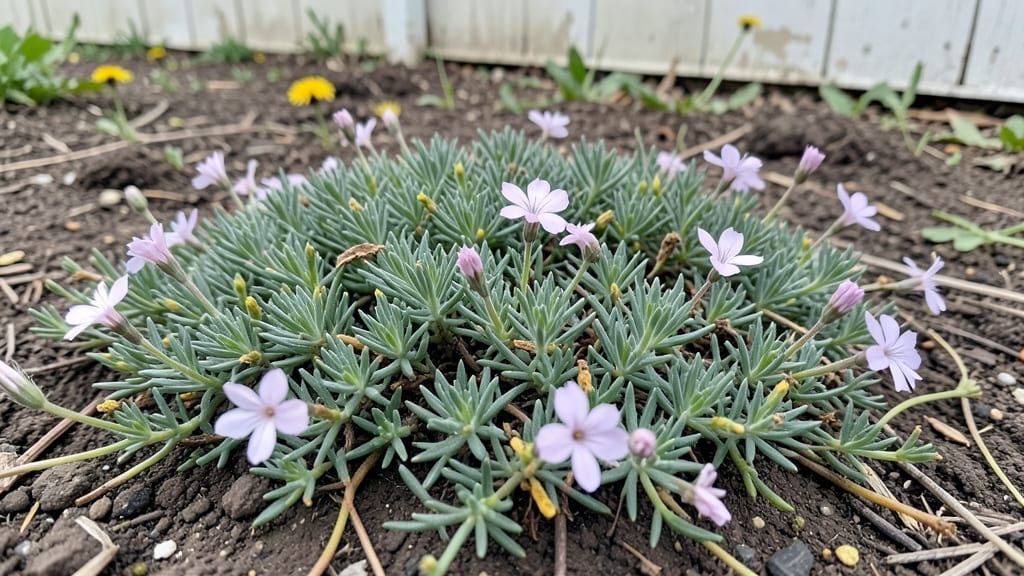
Moss phlox flowers turn Pacific Northwest gardens into vibrant carpets of color that refuse to quit—even when frost rolls in. 🌿 I fell for them after seeing how they smothered weeds in my neighbor’s rock garden, their tiny blooms forming dense mats that look like living art.
The secret lies in their frost resistance and ability to thrive where other plants falter, making them the ultimate low-maintenance star.
These little powerhouses come in shades from soft lavender to bold magenta, and they bloom from early spring through summer. Pair them with ferns for shade, salvias for height, or let them spill over container edges for instant curb appeal.
In cottage gardens, they create a textured, meadow-like effect that feels wild yet intentional—no pruning required.
You’ll love how they fill gaps instantly, suppress weeds naturally, and attract pollinators by the dozen. The key? Plant them in well-draining soil with morning sun and afternoon shade—they’ll reward you with blooms that last longer than most annuals.
Perfect for borders, slopes, or even as a living mulch under shrubs.
Seasonal theme? Moss phlox adapts beautifully—use them for spring’s first splash of color, summer’s pollinator haven, or even autumn’s lingering blooms before frost. Their hardy nature means they’ll bounce back year after year, proving they’re not just pretty—they’re the workhorses of Pacific Northwest gardens.
📚 In This Guide
- What you need
- Instructions
- Tips and common mistakes
- Wrapping up and next steps
What you need
- ● Moss phlox plants: 3–5 young plants (bare-root or container-grown, depending on availability). Opt for varieties like Phlox subulata ‘Sherwood Purple’ or ‘Emerald Blue’ for vibrant color.
- ● Well-draining soil: 1–2 cubic yards of a mix of 50% native soil, 30% compost, and 20% perlite or coarse sand (critical for preventing root rot).
- ● Organic mulch: 1–2 inches of pine needles, cedar chips, or shredded bark to retain moisture and suppress weeds.
- ● Slow-release fertilizer: 10–15 lbs of 10-10-10 or 5-10-10 granular fertilizer (sprinkle lightly around plants in early spring).
- ● Garden trowel or hand shovel (for planting and soil amendments).
- ● Garden fork (to loosen compacted soil before planting).
- ● Pruners or shears (for trimming spent blooms and shaping plants).
- ● Watering can or hose with a gentle spray nozzle (moss phlox prefers consistent moisture but hates soggy roots!).
- ● Gloves (to protect your hands from prickly stems and rough mulch).
- ● Rocks or pebbles (to create a natural, low-maintenance border around plants).
- ● Edging material (like metal or plastic landscape edging to keep moss phlox contained in slopes or borders).
- ● Liquid seaweed fertilizer (for a mid-season nutrient boost during blooming season).
- ● Drip irrigation kit (if you’re planting a large area for efficient watering).
How to plant and care for moss phlox in the Pacific Northwest
This hardy ground cover thrives in your region’s cool, damp climate with minimal fuss.
🌱 Step 1: Choose the Right Location and Soil Conditions
Moss phlox (Phlox subulata) loves partial shade to full sun but performs best with 4-6 hours of morning sunlight in the Pacific Northwest’s humid summers. Avoid hot afternoon sun, which can scorch the delicate foliage. Test your soil—it should drain well but retain moisture; amend heavy clay with 1-2 inches of compost to improve aeration.
This plant tolerates rocky or sandy soils, making it perfect for slopes or crevices. I’ve seen it thrive in USDA zones 3-9, so your PNW climate is ideal. Clear any competing weeds first—their shallow roots need space to spread. A lightly mulched area (with ½ inch of pine needles or shredded bark) helps retain moisture without smothering the plant.
🌿 Step 2: Plant at the Correct Depth and Spacing
Plant moss phlox in early spring or fall when temperatures are mild. Dig holes twice as wide as the root ball but only as deep as the container’s base. Press the soil gently around the roots to eliminate air pockets, but don’t compact it—this ground cover hates suffocation. Space plants 6-12 inches apart; closer spacing encourages faster ground cover, while wider gaps create a more textured look.
Water deeply after planting to settle the soil and encourage root establishment. You’ll know it’s right when moisture reaches 3-4 inches deep. Avoid overhead watering—it can spread fungal diseases. Instead, use a drip irrigation line or water at the base. This plant’s shallow roots mean frequent but light watering is key.
☀️ Step 3: Maintain with Minimal Care After Establishment
Once established, moss phlox is nearly drought-tolerant but still needs 1 inch of water weekly during the first growing season. After that, it thrives on rainfall alone. Fertilize lightly in early spring with a balanced 10-10-10 formula—too much nitrogen produces lush foliage at the expense of blooms. I’ve found that ½ teaspoon per plant is plenty.
Deadhead spent flowers in early summer to encourage a second bloom cycle. Use clean, sharp scissors to snip just above the first set of healthy leaves. This prevents seed formation and redirects energy into new growth. In late summer, cut back ⅓ of the foliage to maintain shape and remove any browned or diseased stems. Your moss phlox will reward you with vibrant blooms year after year.
✂️ Step 4: Divide and Propagate for Fuller Coverage
Every 3-4 years, moss phlox benefits from division to rejuvenate growth. Wait until early spring before new shoots emerge. Dig up the entire plant, gently separate the clumps with your hands or a clean knife, and replant the divisions immediately. This prevents transplant shock and ensures vigorous regrowth. You’ll see new shoots appear within 2-3 weeks.
For faster spread, take stem cuttings in early summer. Snip 3-4 inch sections just below a leaf node, strip the lower leaves, and root them in moist perlite or sand. Keep them in a shaded, humid environment until roots form (3-4 weeks). Transplant these cuttings into prepared beds to fill gaps quickly. This method works especially well for filling large areas or sharing with fellow gardeners.
Tips & tricks for perfect moss phlox care
Here's what nobody tells you about making moss phlox thrive in your Pacific Northwest garden.
Morning Sun Strategy: Those 4-6 hours of morning sunlight are non-negotiable for vibrant blooms. I've noticed the plants I've placed in full sun with afternoon shade actually outperform those in partial shade only. The morning light gives them the energy boost they need without the afternoon heat stress that can scorch the foliage. If your garden gets intense afternoon sun, consider planting near taller shrubs that provide natural shade.
Soil Amendments: The 1-2 inches of compost recommendation is your secret weapon for PNW gardens. Our native soils often compact easily, so I've found adding a ½ inch layer of coarse sand mixed with the compost creates ideal drainage while retaining moisture. For rocky areas, simply spread the compost over the existing soil—moss phlox will send roots down through the crevices naturally.
Watering Wisdom: Remember when it says to water until moisture reaches 3-4 inches deep? That's deeper than most gardeners think! I use a long screwdriver to check—push it into the soil, then lift it out to see if moisture clings to the shaft. This deep watering encourages strong root development that makes your moss phlox more drought-resistant over time. A soaker hose set to run for 20 minutes usually does the trick for me.
Division Timing: That 3-4 year division schedule might seem long, but I've learned the hard way that dividing too early stresses the plants. Wait until you see new shoots emerging in early spring—they're your signal that the plant's ready. I've found dividing in March gives them the whole growing season to establish before winter, while fall divisions often struggle to root before cold sets in.
Pro Tips for Moss Phlox Flowers
- Here's what nobody tells you about making moss phlox thrive in your Pacific Northwest garden.
- Morning Sun Strategy: Those 4-6 hours of morning sunlight are non-negotiable for vibrant blooms.
- Soil Amendments: The 1-2 inches of compost recommendation is your secret weapon for PNW gardens.
Frequently asked questions
Got questions about growing and caring for moss phlox flowers? You’re not alone! Here are answers to the most common queries from gardeners in the Pacific Northwest and beyond.
How do I keep moss phlox blooming all season long?
To encourage long-lasting blooms, deadhead spent flowers regularly and avoid over-fertilizing. Moss phlox thrives in well-draining soil—amend heavy clay with compost or sand. Prune back about one-third of the plant after flowering to promote fresh growth. Water deeply but infrequently to prevent root rot, especially in winter.
Is moss phlox truly frost-resistant, or does it need winter protection?
Yes! Moss phlox is hardy to USDA zones 3-9 and handles frost beautifully. However, heavy snow or ice can damage tender foliage. In extreme winters, a light mulch (2-3 inches) of straw or leaves helps insulate roots. Avoid thick mulch, which can smother the plant.
Can I grow moss phlox in containers, or is it only for gardens?
Moss phlox thrives in containers 12+ inches deep with drainage holes. Use a fast-draining mix (like cactus/succulent blend) and place pots in partial shade to prevent overheating. Water containers more frequently than in-ground plants, as they dry out faster.
Why aren’t my moss phlox flowers as vibrant as they should be?
Dull or pale blooms often signal nutrient deficiencies or too much shade. Ensure your plant gets 4-6 hours of sunlight daily and fertilize lightly in spring with a balanced, low-phosphorus formula (e.g., 10-10-10). Overcrowding or poor soil can also dull colors—consider dividing mature clumps every 3-4 years.
What are some great alternatives if moss phlox doesn’t thrive in my yard?
If your soil is too wet or acidic, try these PNW-friendly ground covers:
- Creeping thyme – Drought-tolerant, fragrant, and loves sun.
- Heuchera (coral bells) – Stunning foliage, thrives in shade.
- Ajuga (bugleweed) – Spreads quickly, handles moisture well.
- Sedum (stonecrop) – Succulent-like, low-maintenance, and frost-hardy.
Wrapping up and next steps
Moss phlox flowers are the Pacific Northwest’s secret weapon—a hardy, frost-resistant ground cover that brings year-round color and texture to gardens while demanding minimal effort. Whether you're a seasoned gardener or a beginner, their resilience and low-maintenance charm make them a must-have for any outdoor space. 🌿
Ready to transform your garden? Start by gathering your supplies, choosing the perfect spot, and following the simple steps to plant and care for these vibrant blooms. With moss phlox, every season feels like spring—so roll up your sleeves and get growing!