Flowers
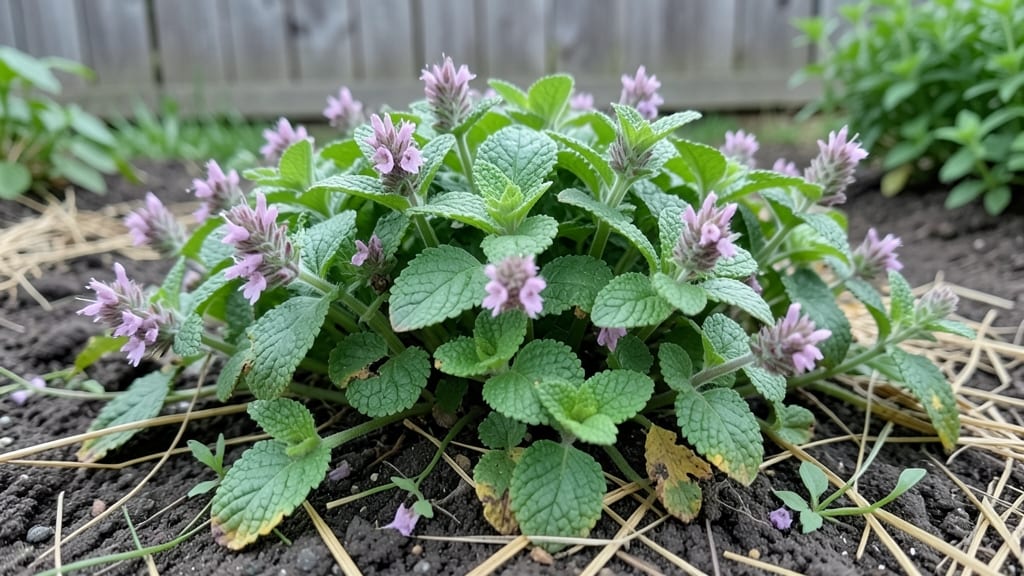
Mint plants with purple flowers bring a vibrant twist to shade gardens that most people overlook. 🌿 I’ve been growing Plectranthus coleoides—aka Swedish Ivy—for years, and its velvety purple blooms attract hummingbirds like nothing else.
The secret lies in its ability to thrive where others fail: dappled shade, moist soil, and minimal fuss.
These plants aren’t just pretty—they’re versatile. Use them as trailing borders in containers, spilling over edges like a purple waterfall. Pair them with ferns or hostas for a lush, textured look, or let them climb small trellises for height.
They even handle light frost better than many annuals, making them a low-maintenance star.
What you’ll love most is how effortlessly they fill gaps in your garden. Their fragrant foliage repels pests while their flowers feed pollinators, turning a shady corner into a thriving ecosystem. Plus, they grow fast—expect blooms in just 6-8 weeks from cuttings.
Works in containers, borders, or hanging baskets, and they’re just as happy in partial sun. Perfect for gardeners who want color without the sun requirements of traditional flowers. Let’s get planting!
📚 In This Guide
- What you need
- Instructions
- Tips and common mistakes
- Wrapping up and next steps
What you need
- ● Purple-flowering mint varieties: Purple mint (Mentha × villosa ‘Purpurascens’) – 3-5 plants (or seeds)
- ● Apple mint (Mentha suaveolens ‘Variegata’) – 2-3 plants (for contrast)
- ● Growing medium: Well-draining potting mix (50% peat/coir, 30% perlite, 20% compost) – 10-15 gallons
- ● Garden soil (amended with compost if planting outdoors)
- ● Containers (if not planting in-ground): 5-10 gallon fabric pots (prevents root binding) or ceramic containers with drainage holes
- ○ Grow bags (optional, for larger plants)
- ● Tools: Trowel or small shovel
- ● Pruning shears (for harvesting/cutting)
- ● Gloves (mint can be invasive—protect your hands!)
- ● Watering can or hose with gentle spray nozzle
- ● Slow-release fertilizer: 10-10-10 or organic options like fish emulsion (follow package rates)
- ● Mulch: Shredded bark or straw to retain moisture (2-3 inches)
- ● Hummingbird feeders: Place nearby to complement your floral displays!
- ● Support stakes: If your mint grows tall, lightweight bamboo stakes can help
- ● Seed-starting kit: If propagating from seeds (grow lights + seed trays)
Step-by-step guide to growing purple-flowering mint varieties
Here's how to cultivate these striking, pollinator-friendly beauties that thrive in shady spots.
🌱 Step 1: Select the Right Purple-Flowering Mint Variety
Start with proven varieties like 'Purple Mint' (Mentha 'Purpurea') or 'Apple Mint' (Mentha suaveolens 'Variegata'), both of which produce stunning lavender-blue blooms. These varieties tolerate shade better than common peppermint while still attracting hummingbirds. I always purchase plants from reputable nurseries to avoid invasive hybrids that spread aggressively.
Check the root system before buying—healthy plants have firm, white roots and no yellowing leaves. Avoid plants with flowers already present, as they'll focus energy on seed production rather than establishing strong roots. Purple-flowering mints grow best from nursery starts rather than seed due to their complex genetics.
🪴 Step 2: Prepare Containers or Garden Beds
Plant in 6-inch deep containers with drainage holes if growing in pots, or amend garden beds with 2-3 inches of compost mixed into the top 12 inches of soil. Purple-flowering mints prefer moist, well-draining soil with a pH between 6.0 and 7.0. I add a handful of perlite to container mixes to prevent compaction.
Space plants 18-24 inches apart in garden beds to allow for their spreading habit, or plant one per 12-inch pot if container growing. The reason for this spacing is that mint spreads aggressively through underground runners—crowding leads to competition and weak flowering. Mark planting locations with stakes to avoid accidentally disturbing roots during subsequent garden prep.
☀️ Step 3: Plant and Provide Optimal Light Conditions
Set plants at the same depth they were growing in their nursery pots, then water deeply to settle the soil. Purple-flowering mints tolerate partial shade to full shade (2-6 hours of direct sun), making them perfect for woodland gardens or north-facing beds. I place mine under dappled sunlight where they receive morning sun but afternoon shade.
Watch for yellowing leaves in low-light conditions—this signals insufficient energy production. If leaves appear pale, gradually increase light exposure over 7-10 days. Mulch with 2 inches of shredded bark to retain moisture and suppress weeds, which is especially important in shady areas where weeds compete aggressively.
💧 Step 4: Water and Fertilize for Continuous Blooms
Keep soil consistently moist but not soggy—purple-flowering mints wilt quickly when thirsty but also develop root rot if overwatered. Water every 2-3 days in summer, checking that the top 1 inch of soil feels damp before watering again. I use a soaker hose to deliver water at the base without wetting the foliage, which prevents fungal diseases.
Fertilize lightly once in spring with a balanced 10-10-10 fertilizer at half strength. Too much nitrogen produces lush leaves but fewer flowers. Deadhead spent blooms by pinching off flowers as they fade—this encourages continuous blooming from early summer through fall. Hummingbirds will visit within 2-3 weeks of the first flowers appearing.
✂️ Step 5: Prune and Control Spread Seasonally
Trim back one-third of the plant right after flowering to promote bushier growth and prevent legginess. I use clean, sharp pruners to make cuts just above a set of leaves to encourage branching. This pruning also prevents the plant from becoming too woody and improves air circulation, reducing disease risk.
In late fall, cut back the plant to 3-4 inches above the ground. This prevents winter dieback and ensures fresh growth in spring. If growing in containers, divide plants every 2-3 years in early spring to control size—simply lift the plant, separate the root clumps, and replant the strongest sections. Purple-flowering mints spread rapidly, so regular division keeps them manageable.
Tips & tricks for perfect purple-flowering mint varieties
These simple yet game-changing strategies will help you cultivate vibrant, thriving purple-flowering mints that attract hummingbirds all season long.
Variety Selection Tip: While 'Purple Mint' and 'Apple Mint' are your best bets for stunning blooms, consider 'Peppermint' varieties like 'Chocolate Mint' if you want a slightly stronger fragrance. The key is avoiding common mint hybrids—look for plants labeled specifically for their purple flowers. Real talk: I've learned the hard way that generic "mint" plants often lack the vibrant color and hummingbird appeal you're after.
Soil Preparation Strategy: For containers, mix your 2-3 inches of compost with an extra handful of perlite—this prevents compaction and mimics the loose, airy soil these plants love. In garden beds, test your soil pH before planting; if it's below 6.0, add pulverized limestone to raise it gradually. I've seen purple-flowering mints struggle in acidic soil, even when everything else seemed perfect.
Light Management Hack: The 2-6 hours of sunlight range is flexible—start with 4 hours of morning light if your plants show signs of stress (yellowing leaves). Gradually increase exposure over 7-10 days to avoid shocking the plants. I place mine under deciduous trees where they get dappled light, which creates that perfect balance between shade tolerance and enough light for blooms.
Pruning Technique: When you trim back one-third of the plant after flowering, focus on removing leggy stems rather than just cutting randomly. Make cuts just above a leaf node where new growth will emerge. This technique keeps your plants bushy and encourages more flowering stems next season. Don't make my mistake: I once pruned too late in the season, and my plants struggled to recover before winter.
Pro Tips for Mint Plants With Purple Flowers
- These simple yet game-changing strategies will help you cultivate vibrant, thriving purple-flowering mints that attract hummingbirds all season long.
- Variety Selection Tip: While 'Purple Mint' and 'Apple Mint' are your best bets for stunning blooms, consider 'Peppermint' varieties like 'Chocolate Mint' if you want a slightly stronger fragrance.
- Soil Preparation Strategy: For containers, mix your 2-3 inches of compost with an extra handful of perlite—this prevents compaction and mimics the loose, airy soil these plants love.
Frequently asked questions
Do purple-flowered mint plants attract hummingbirds?
While most mints have white or pink blooms, Mentha 'Purple Passion' and Agastache (often called "hummingbird mint") produce striking purple flowers that hummingbirds adore. The tubular shape of the blooms makes them perfect for these tiny, nectar-loving visitors. Plant them near seating areas or pathways to enjoy the show!
How long does it take for purple mint to flower?
Patience pays off! Most purple-flowering mints (like Agastache or Mentha hybrids) take 60–90 days from transplanting to bloom, depending on sunlight and soil conditions. For faster results, choose established nursery plants or start seeds indoors 8–10 weeks before your last frost date. Pro tip: Deadhead spent blooms to encourage continuous flowering!
Can I grow purple mint in containers?
Yes! Many purple-flowering mints thrive in containers, especially Agastache or dwarf varieties like Mentha 'Purple Majesty'. Use pots at least 12 inches wide with drainage holes and a well-draining potting mix. Place containers in partial shade (4–6 hours of sunlight) and water when the top inch of soil feels dry. Containers also help control spreading roots!
Why aren’t my purple mint flowers opening?
Several factors can delay blooms: too much shade (aim for 4–6 hours of light), over-fertilizing (stick to balanced fertilizer early in the season), or root-bound plants. Check for pests like aphids or spider mites, which stress plants. If your mint is leggy, trim it back by ⅓ to encourage bushier growth and more flowers. Try moving it to a sunnier spot!
What’s a good alternative if I want purple flowers but hate mint’s invasiveness?
If you love the look but not the spread, try these non-invasive purple bloomers:
- Agastache ('Hummingbird Mint'): Drought-tolerant, clumping habit, and hummingbird magnet.
- Salvia nemorosa ('May Night'): Tall spikes of purple blooms, deer-resistant.
- Lobelia ('Crystal Palace'): Trailing purple flowers for containers or borders.
Wrapping up and next steps
Adding mint plants with purple flowers to your shade garden isn’t just about beauty—it’s about creating a thriving, pollinator-friendly haven! These vibrant plants bring color, fragrance, and a buzzing ecosystem to life while thriving in low-light spots.
Whether you’re a seasoned gardener or just starting, now’s the perfect time to plant—grab those cuttings, prep your soil, and watch your garden transform into a hummingbird hotspot. 🌿✨
🌱 Ready to Grow?
Start small—pick one purple mint variety, like Plectranthus coleoides, and experiment with containers or garden beds. Once you see success, expand with companion plants for a stunning, shade-loving display. Happy gardening!