
Pruning
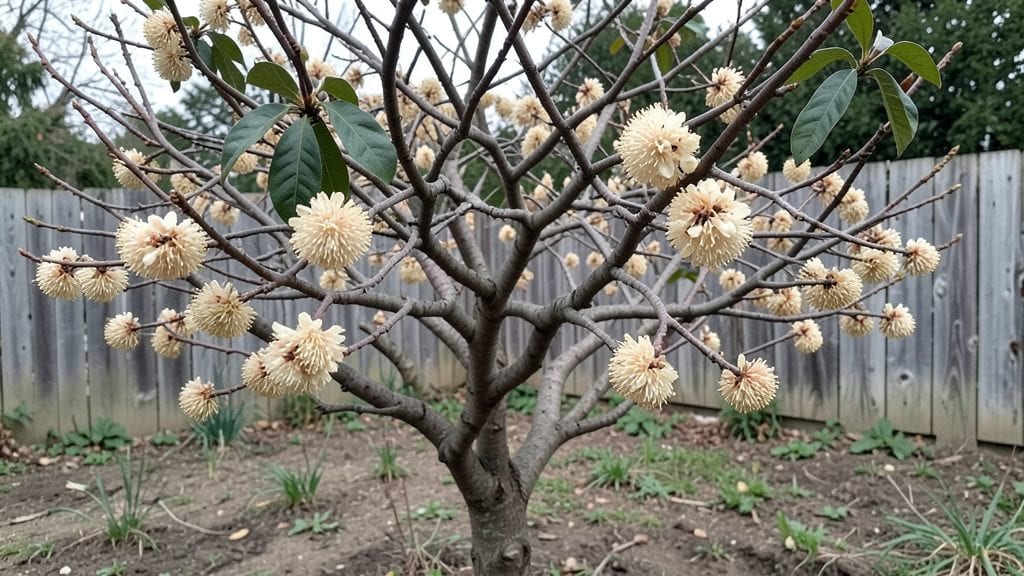
Getting your lychee tree to flower in the Pacific Northwest feels like coaxing a tropical plant to do the impossible—but I’ve cracked the code after years of trial and error. ✨ The key isn’t just pruning; it’s timing, sunlight tricks, and a little patience with a plant that’s used to warmer climates.
Most gardeners give up after the first failed attempt, but with the right approach, you’ll see those fragrant white blooms by late spring.
Here’s the thing—lychee trees need full sun (at least 6-8 hours daily) and well-draining soil to even consider flowering. In our cooler climate, we often mimic their native tropical conditions with microclimates—think south-facing walls, greenhouse setups, or even indoor grow lights during winter.
Pruning comes next: cut back 1/3 of the previous year’s growth in early spring to encourage new, flowering branches, but avoid heavy pruning after blooms appear.
When it works, you’ll end up with clusters of delicate, fragrant flowers that eventually turn into sweet, aromatic fruit. The first year might be sparse, but with consistent care—like fertilizing with low-nitrogen, high-potassium mix in early spring—each season gets better.
Even in Zone 8, I’ve seen trees produce 50+ blooms with the right timing and a little extra warmth.
Now, don’t expect perfection right away—lychee trees can be stubborn. If blooms drop off or fruit fails to set, we’ll troubleshoot together: too much shade? Not enough heat? Let’s fix that. The goal isn’t instant success; it’s progress, one pruning cut at a time.
📚 In This Guide
- What you need
- Instructions
- Tips and common mistakes
- Wrapping up and next steps
What you need
- ● Pruning shears: Bypass pruners (sharp, sterilized with rubbing alcohol) – 1 pair (for small branches).
- ● Loppers: Heavy-duty, 20-24" long – 1 pair (for thicker branches up to 2" diameter).
- ● Pruning saw: Curved blade, 8-10" long – 1 (for branches over 2" thick).
- ● Disposable gloves: Nitrile or latex, waterproof – 1 pair (to protect from sap and thorns).
- ● Rubbing alcohol (70%+): Small bottle – 1 (for sterilizing tools between cuts).
- ○ Pruning sealant: Tree wound paint or beeswax – small jar (optional but recommended for large cuts).
- ● Ladder or step stool: Sturdy, reaches at least 10' high – 1 (if tree is tall).
- ● Bucket or tarp: Large enough to collect clippings – 1 (for easy cleanup).
- ● Hand pruners: Compact, for fine-tuning small branches – 1 pair.
- ● Extension pole pruners: For high branches without a ladder – 1.
- ● Sharpie or marker: Permanent, outdoor-safe – 1 (to mark cuts if needed).
- ● Compost bin: For recycling pruned branches – 1 (if you’re into upcycling!).
- ● Safety glasses: For dusty or thorny pruning sessions – 1 pair.
Step-by-Step pruning for lychee tree flowering in the Pacific Northwest
Here’s how I coax heavy blooms from lychee trees in cooler climates—where timing and technique make all the difference.
🌿 Step 1: Time Pruning to Late Winter Dormancy
Prune your lychee tree between late February and early March, just as buds begin to swell but before new growth starts. This timing ensures the tree directs energy into flowering rather than leaf production. In the Pacific Northwest, where winters are damp and cool, pruning too early risks frost damage to fresh cuts, while waiting too long diverts resources to foliage.
Use clean, sharp bypass pruners to make cuts at a 45-degree angle, about ¼ inch above a bud or branch collar. Avoid leaving stubs—lychee trees are sensitive to improper cuts and may develop cankers. Focus on removing dead, crossing, or weak branches first. These structural cuts create an open canopy that allows sunlight to penetrate to the center, where most flower buds form.
✂️ Step 2: Thin Branches to Improve Airflow and Light
Lychee trees flower best when they receive 6+ hours of direct sunlight daily, even in the PNW’s partial shade. Thin branches to remove 20-30% of the canopy, prioritizing inward-facing growth. Look for branches that rub against each other or cast shade on others—these compete for resources and reduce flowering potential.
For mature trees, target branches thicker than ½ inch for selective thinning. You’ll see dense clusters of small, round buds forming along the remaining branches—these are your future flowers. Avoid heavy pruning (beyond 30%) unless the tree is overgrown, as lychees are sensitive to drastic structural changes. Real talk: If you prune too aggressively, you might trigger leaf growth instead of blooms.
☀️ Step 3: Encourage Flowering with Strategic Light Exposure
After pruning, position your lychee tree in the sunniest spot possible, even if it means relocating a potted specimen. In the PNW, where summer sunlight is abundant but winters are gray, supplement with a 4-foot grow light for 12 hours daily starting in early April. This mimics the long days lychees need to trigger flowering.
Watch for tiny, creamy-white buds forming in clusters along the branches—this is your signal that the pruning worked. If buds appear but don’t open, the tree may need warmer temperatures (65-75°F). In cooler microclimates, a greenhouse or cold frame can extend the flowering window by 2-3 weeks. Avoid fertilizing during this phase—lychees flower best when slightly nutrient-stressed.
🌱 Step 4: Protect Blooms from Late Frosts
The Pacific Northwest’s unpredictable spring weather can devastate lychee blooms. Once flowers appear, monitor forecasts and cover the tree with frost cloth if temperatures dip below 40°F. Lychee blossoms are delicate and won’t rebound if damaged. I’ve lost entire seasons to a single late frost—don’t let that be you.
If your tree is in a container, move it to a sheltered location overnight. For in-ground trees, wrap the canopy loosely with burlap or frost fabric, securing it with stakes. Remove the cover immediately once temperatures rise above 50°F to prevent overheating. Successful flowering hinges on protecting these blooms until they can set fruit.
⏰ Step 5: Post-Flowering Care for Fruit Development
After blooms fade, reduce watering slightly to once every 7-10 days—lychees need slightly drier conditions to set fruit. Apply a balanced 10-10-10 fertilizer at half strength to support developing fruit without encouraging excessive leaf growth. You’ll notice small, green fruits forming in 6-8 weeks; thin them to 6-8 inches apart to ensure larger, higher-quality lychees.
Here’s the thing—lychee trees in the PNW often need 2-3 years of consistent pruning to establish strong flowering habits. Track your pruning dates and bloom response annually to refine your approach. Patience pays off: A well-pruned lychee tree in the right conditions will reward you with dozens of fragrant white flowers and, eventually, sweet, aromatic fruit.
Tips & tricks for perfect lychee tree flowering
Timing and technique are everything when it comes to getting your lychee tree to bloom in the Pacific Northwest's tricky climate. Here's how to maximize your chances of success.
Timing is Everything: The late February to early March window is non-negotiable for Step 1. I've seen trees miss their flowering cycle completely when pruned too early or late. Watch for those first swollen buds—this is your cue that the tree is ready. In cooler PNW winters, these buds may appear later than in warmer climates, so don't rush the process. The 45-degree angle cuts in Step 1 aren't just cosmetic—they help water run off properly and prevent cankers, which are especially problematic in our damp climate.
Visual Cues for Pruning Success: When you're thinning branches in Step 2, look for these signs: healthy buds should be plump and firm, not shriveled or mushy. After pruning, you should see sunlight penetrating to the center of the canopy within 2-3 days. If you're still seeing shaded areas after a week, you've likely removed too little foliage. Remember, we're aiming for that 20-30% reduction—not a radical transformation. The goal is to create an open structure that lets light reach where the flower buds will form.
Light Supplementation Strategy: That 12-hour daily grow light in Step 3 is your secret weapon for cooler climates. Position it about 12-18 inches above the tree's canopy for even light distribution. I've found that using a timer for the grow light eliminates guesswork—consistency is key. If you notice buds forming but not opening, this is your signal to increase warmth slightly (but never above 75°F). A small space heater or heat mat can help, but monitor closely to avoid stressing the tree.
Frost Protection Hacks: For Step 4, I've learned the hard way that frost cloth alone isn't always enough in the PNW's unpredictable spring. Combine it with these extra precautions: place a thermometer near the tree to monitor temperatures precisely, and have a fan ready to circulate warm air if needed. If you're using a greenhouse or cold frame, open it during the day to prevent overheating—lychee blossoms are sensitive to both cold and heat stress. The 40°F threshold is critical—below this, even brief exposure can damage flowers.
Pro Tips for Lychee Tree Flowering
- Timing and technique are everything when it comes to getting your lychee tree to bloom in the Pacific Northwest's tricky climate.
- Timing is Everything: The late February to early March window is non-negotiable for Step 1.
- Visual Cues for Pruning Success: When you're thinning branches in Step 2, look for these signs: healthy buds should be plump and firm, not shriveled or mushy.
Frequently asked questions
Got questions about getting your lychee tree to bloom in the Pacific Northwest? You’re not alone! Here are some of the most common concerns—and their answers—to help you navigate the flowering process like a pro.
How do I know if my lychee tree is mature enough to flower?
A lychee tree typically needs 3–5 years of growth before flowering, depending on climate and care. Look for new growth, thick branches, and a robust root system—these are key signs. In the PNW’s cooler climate, patience is key! Ensure your tree gets full sun (6+ hours/day) and well-draining soil to speed up maturity.
When is the best time to prune for lychee tree flowering?
Prune your lychee tree late winter or early spring (February–March), just before new growth begins. Avoid heavy pruning in fall—it can stress the tree and delay blooms. Focus on removing dead or weak branches and thinning out crowded growth to improve airflow and sunlight exposure.
Why isn’t my lychee tree flowering in the Pacific Northwest?
Cool PNW summers (below 80°F) can trick lychee trees into vegetative growth instead of flowering. To encourage blooms:
- Ensure your tree gets warmth (70–90°F) during the day—consider a microclimate like a sunny wall or greenhouse.
- Use balanced fertilizer (10-10-10) in early spring to boost energy for flowering.
- Check for pests or diseases that may stress the tree.
Can I force a lychee tree to flower indoors?
Forcing flowering indoors is challenging but possible with dwarf varieties like ‘Wai Chee.’ Use a grow light to simulate 12–14 hours of daylight and maintain consistent warmth (75–85°F). However, outdoor trees in the PNW will naturally bloom better with proper care—think of indoors as a last-resort experiment!
What should I do if my lychee tree flowers but doesn’t fruit?
Missing fruit after flowering often means pollination issues or temperature stress. Try these fixes:
- Hand-pollinate flowers with a soft brush if bees are scarce.
- Ensure nighttime temps stay above 60°F—lychees need warmth to set fruit.
- Thin out excess flowers to reduce competition for resources.
Wrapping up and next steps
Watching your lychee tree bloom in the Pacific Northwest is a rewarding journey—one that starts with the right pruning techniques!
By understanding timing, tools, and tree health, you’ve unlocked the secrets to vibrant flowers and future harvests. 🌸 With patience and care, your efforts will soon be met with fragrant blossoms and the promise of sweet lychees.
Ready to take the next step? Monitor your tree’s growth after pruning, adjust techniques as needed, and celebrate each new bloom as a sign of success. Happy gardening—your lychee tree’s future is in your hands! 🌱✨