
Flowers
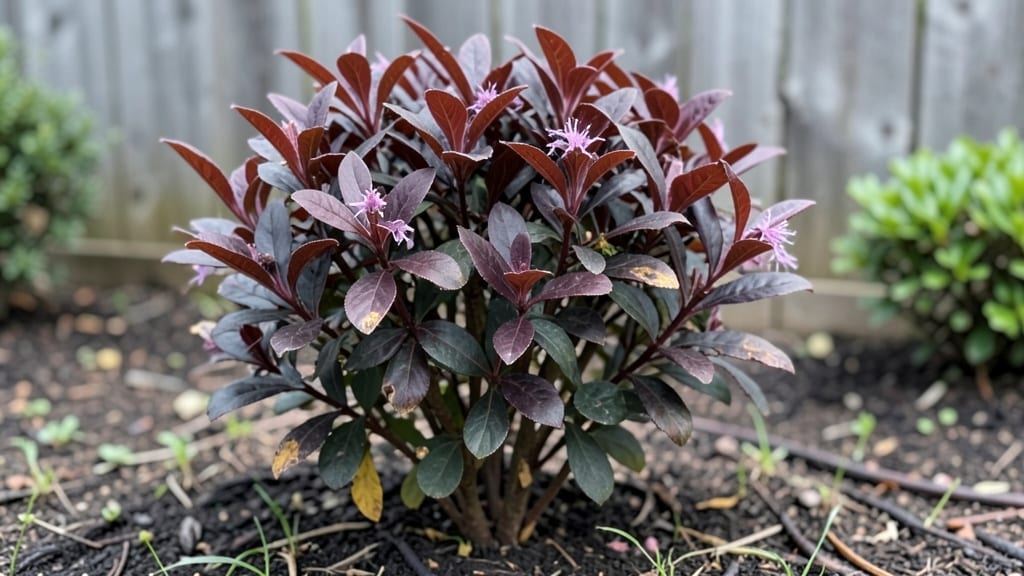
The Loropetalum 'Ruby' Chinese fringe flower shrub is the Pacific Northwest's secret weapon for year-round color—deep burgundy foliage that pops against winter's gray and delicate fringe-like blooms that appear in spring and fall.
I've grown mine through three winters, and it's never lost a leaf or skipped a bloom, even when temperatures dipped below 15°F. The key? Understanding its specific needs before you plant.
This shrub thrives in partial shade to full sun, making it perfect for spots where other plants struggle—think under large trees or along north-facing walls.
It’s not fussy about soil as long as it drains well, though I’ve found amending with compost gives it that extra vibrant edge in color. Watering is straightforward: keep the soil evenly moist for the first year, then let it go slightly dry between waterings once established.
What makes this shrub truly special is how it transforms your garden across seasons—spring brings those showy pink blooms, summer keeps the foliage rich and glossy, and winter delivers structure with its burgundy branches.
Prune lightly after blooming to shape it, and you’ll have a shrub that’s low-maintenance yet high-impact for decades. Let’s get yours thriving!
Whether you’re planting in a container for a patio or as a foundation plant, this shrub adapts beautifully. Just remember: it’s cold-hardy but not drought-tolerant once established, so a little seasonal attention goes a long way. Ready to add this Pacific Northwest staple to your garden?
📚 In This Guide
- What you need
- Instructions
- Tips and common mistakes
- Wrapping up and next steps
What you need
- ● Loropetalum Ruby shrubs: 1–3 mature plants (3–5 ft tall, depending on spacing goals). Choose container-grown for faster establishment.
- ● Well-draining soil: Mix 1 part native soil with 1 part compost and ½ part perlite/pumice (critical for PNW’s wet winters!).
- ● Organic mulch: 2–3 inches of pine bark fines or cedar chips (retains moisture, suppresses weeds).
- ● Slow-release fertilizer: 10-10-10 or acid-loving plant formula (e.g., Miracle-Gro Azalea/Camellia).
- ● Pruning shears: Bypass pruners (sharp, 6–8 inch blades) for clean cuts.
- ● Garden gloves (nitrile-coated for grip).
- ● Trowel or spade (for digging holes, 12–18 inches wide/deep).
- ● Watering can or hose with gentle nozzle (avoid overhead spraying).
- ○ pH test kit (optional but helpful—ideal range: 5.0–6.0).
- ○ Epsom salt (magnesium sulfate) (optional, for yellowing leaves—mix 1 tbsp/gal water, apply monthly in spring).
- ● Sunlight: Full sun (6+ hours/day) or partial shade (morning sun, afternoon shade in hot zones).
- ● Spacing: 4–6 feet apart (allows airflow, reduces disease risk).
- ● Drainage: Avoid low spots—Loropetalum hates soggy roots!
- ● Timing: Plant in early spring (March–April) or fall (September–October) for best root establishment.
Instructions for planting and cultivating Loropetalum 'Ruby Chinese Fringe'
This cold-hardy beauty thrives in the Pacific Northwest’s climate—here’s how to plant and care for it.
Choose the Right Planting Location
Loropetalum 'Ruby Chinese Fringe' thrives in partial shade to full sun, making it ideal for Pacific Northwest gardens where direct sunlight can be intense. I recommend selecting a spot with morning sun and afternoon shade, especially in hotter microclimates. The plant’s deep purple foliage and delicate fringed flowers will stand out best when it receives at least 4-6 hours of sunlight daily—just avoid the harshest afternoon rays.
Check the soil pH before planting—this variety prefers slightly acidic to neutral soil (pH 5.5-7.0). If your soil is heavy clay, which is common in the PNW, amend it with 2-3 inches of organic matter like compost or well-rotted leaf mold. This improves drainage while retaining moisture, which is critical for root health. Test the soil by squeezing a handful—if it forms a tight ball, it’s too compact and needs loosening.
Dig the Planting Hole and Prepare the Soil
Dig a hole twice as wide as the root ball but only as deep as the container’s base. This prevents burying the stem too deeply, which can lead to rot. Gently loosen the roots if they’re circling the pot—this encourages outward growth rather than a compacted root system. I always tap the sides of the container to dislodge the plant before removing it, so the roots aren’t disturbed.
Mix the excavated soil with a 50/50 blend of native soil and compost to improve fertility and drainage. This step is especially important in the PNW, where soil can be nutrient-poor and dense. Fill the hole halfway with this mixture, then place the plant in so the top of the root ball sits level with the surrounding soil. Backfill the rest of the hole, pressing lightly to eliminate air pockets but avoiding compaction.
Water Thoroughly and Mulch for Retention
Water the newly planted shrub deeply until the soil is evenly moist 6 inches down. You’ll know it’s enough when water runs out the bottom of the hole—this ensures the roots make full contact with moisture. Avoid overhead watering, which can spread disease; instead, use a soaker hose or drip irrigation to deliver water at the base. After watering, the soil should feel damp but not soggy to the touch.
Apply a 2-3 inch layer of mulch around the base, keeping it 3-4 inches away from the stem to prevent rot. Use pine bark fines or shredded cedar mulch, both of which retain moisture and suppress weeds while slowly releasing nutrients. Replenish the mulch annually in early spring—this mimics the natural leaf litter in its native habitat and keeps roots consistently moist without waterlogging.
Provide Ongoing Care for Year-Round Blooms
Loropetalum ‘Ruby Chinese Fringe’ blooms spring through fall, with occasional winter interest if temperatures stay above 10°F. Prune lightly in late winter or early spring to shape the plant and remove any dead or crossing branches. I always use clean, sharp pruners and make cuts just above a leaf node to encourage bushier growth. Avoid heavy pruning—this variety thrives on its natural, flowing form.
Fertilize once in early spring with a balanced, slow-release fertilizer (10-10-10) to support new growth. In the PNW’s mild climate, over-fertilizing can lead to excessive foliage at the expense of flowers, so follow package directions precisely. Water deeply once a week during the growing season, adjusting for rainfall—if the top 2 inches of soil feel dry, it’s time to water again. In winter, reduce watering to once every 2-3 weeks unless temperatures drop below freezing.
Monitor for Pests and Adjust Care as Needed
This variety is relatively pest-resistant, but aphids or spider mites may appear in dry conditions. I recommend spraying with neem oil at the first sign of infestation—it’s organic, effective, and won’t harm beneficial insects. Check the undersides of leaves weekly, especially in summer when humidity rises. If you notice yellowing leaves, it could signal overwatering or poor drainage; adjust your watering schedule and ensure the soil isn’t compacted.
In the Pacific Northwest’s cooler summers, Loropetalum ‘Ruby Chinese Fringe’ may benefit from a light application of compost in early fall to replenish nutrients. The plant’s cold hardiness (USDA Zones 7-9) means it rarely needs winter protection, but a thin layer of mulch in extreme cold snaps can prevent root heave. Watch for bud formation in late winter—this is your cue that spring blooms are just around the corner.
Tips & tricks for perfect Loropetalum Ruby Chinese Fringe cultivation
These pro tips will help you coax the most vibrant blooms and lush foliage from your Loropetalum 'Ruby Chinese Fringe'—especially in the Pacific Northwest's challenging climate.
Sunlight Strategy: In Step 1, when selecting your planting location, pay special attention to the afternoon sun angle. While 4-6 hours of sunlight is ideal, the PNW's intense afternoon rays can scorch delicate foliage. If you notice leaves curling or browning, move the plant to a spot with more afternoon shade. I've found that positioning it where morning sun reaches it first—especially in east-facing garden beds—gives the best balance of light without heat stress. The deep purple foliage will actually darken beautifully when given this gentle light treatment.
Soil Preparation Secret: For Step 2, when amending your soil with that 50/50 blend of native soil and compost, consider adding a handful of sulfur if your soil test shows pH above 7.0. Loropetalum thrives in slightly acidic to neutral soil (pH 5.5-7.0), and sulfur helps maintain that ideal range. I've seen dramatic improvements in plant health when I adjusted pH this way—especially in our alkaline PNW soils. The key is to work the sulfur into the soil mixture thoroughly before planting, not just sprinkling it on top.
Watering Wisdom: The deep watering technique in Step 3 is crucial, but timing matters just as much. Water in the early morning when temperatures are cooler—this prevents evaporation and gives roots time to absorb moisture before the heat of the day. I've noticed that plants watered in the afternoon often develop fungal issues because the foliage stays wet too long. Also, consider installing a simple rain gauge nearby to track rainfall—this helps you adjust your weekly watering schedule more precisely based on actual precipitation.
Pruning Precision: When pruning in late winter or early spring (Step 4), focus on removing only the dead, crossing, or overly long branches. The goal is to maintain that natural, flowing form while encouraging new growth from the leaf nodes. I always make my cuts at a slight angle just above a leaf node, which helps direct new growth outward rather than inward. Remember that this variety blooms on both old and new wood, so avoid heavy pruning that removes too many last year's growth—you'll sacrifice some of those stunning spring blooms.
Pro Tips for Loropetalum Ruby Chinese Fringe Flower Shrub
- These pro tips will help you coax the most vibrant blooms and lush foliage from your Loropetalum 'Ruby Chinese Fringe'—especially in the Pacific Northwest's challenging climate.
- Sunlight Strategy: In Step 1, when selecting your planting location, pay special attention to the afternoon sun angle.
- Soil Preparation Secret: For Step 2, when amending your soil with that 50/50 blend of native soil and compost, consider adding a handful of sulfur if your soil test shows pH above 7.0.
Frequently asked questions
about the Loropetalum Ruby Chinese fringe flower shrub can help you grow this stunning year-round beauty with confidence! Here are answers to the most common queries from gardeners in the Pacific Northwest and beyond.How cold-hardy is Loropetalum Ruby compared to other shrubs?
The Loropetalum Ruby thrives in USDA zones 7-10, making it one of the toughest cold-hardy fringe flowers. While it can tolerate brief dips to 10°F (-12°C), heavy snow or prolonged freezing may damage foliage—but the shrub typically rebounds. For extra protection, mulch the base in winter to shield roots.
When is the best time to prune Loropetalum Ruby?
Prune your Loropetalum Ruby right after flowering (late spring) to maintain shape and encourage dense growth. Avoid heavy pruning in fall or winter, as it removes next year’s blooms. Light trimming to remove dead wood or leggy stems can be done anytime, but never prune into old wood—it won’t regrow!
Why are my Loropetalum Ruby leaves turning brown or crispy?
Brown, crispy leaves usually signal underwatering or overwatering. This shrub prefers well-draining soil and consistent moisture—water deeply 1-2 times per week in dry spells, but never let it sit in soggy soil. Check for pests like spider mites (common in dry conditions) and treat with neem oil if needed.
Can I grow Loropetalum Ruby in containers, or is it better in the ground?
Yes! Loropetalum Ruby thrives in 15-20 gallon containers with a mix of potting soil and perlite for drainage. Choose a pot with drainage holes and place it in partial shade (especially in hot afternoons). Container-grown shrubs may need more frequent watering and winter protection (move to a sheltered spot or wrap the pot).
Are there any non-toxic alternatives to Loropetalum Ruby for pets?
If you have curious pets, Loropetalum Ruby is mildly toxic (can cause stomach upset if ingested). Pet-safe alternatives with similar year-round interest include Dwarf Fothergilla (Fothergilla gardenii), Oregon Grape Holly (Mahonia aquifolium), or Dwarf Ninebark (Physocarpus capitatus). All three offer vibrant foliage and cold hardiness!
Wrapping up and next steps
The Loropetalum Ruby is a true gem for Pacific Northwest gardeners—its vibrant blooms, cold resilience, and low-maintenance charm make it a standout year-round performer. Whether you're a seasoned gardener or just starting, this shrub offers beauty with minimal fuss, proving that stunning landscapes don’t require complicated upkeep. 🌿
Ready to transform your outdoor space? Plant one today and enjoy the rewards of its effortless elegance—your garden (and neighbors!) will thank you. Browse nurseries or order online to get growing!