
Light Requirements
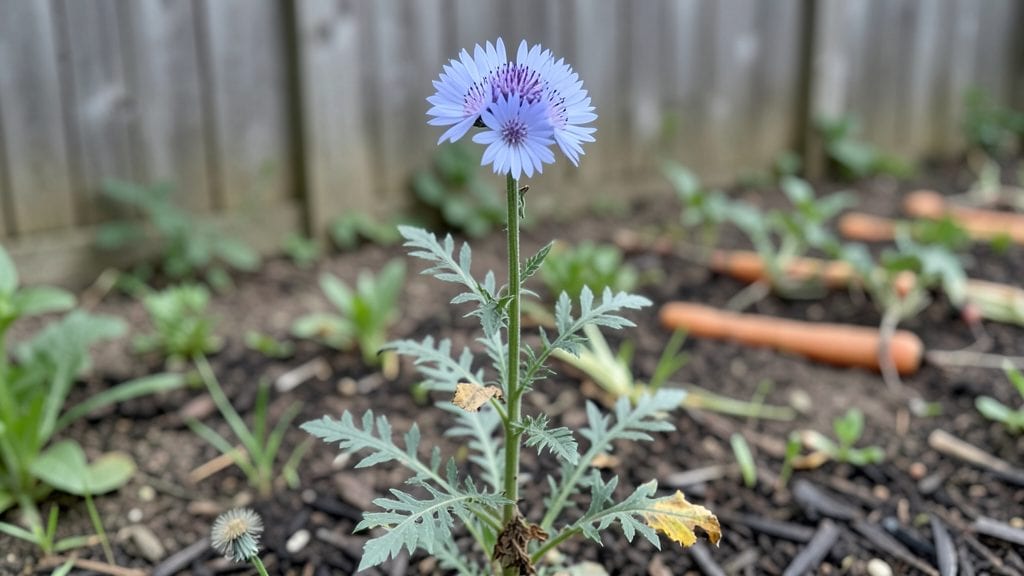
Planting light blue cornflowers transforms your Pacific Northwest garden into a hummingbird haven that blooms from spring through frost. ✨ I’ve watched these delicate sky-blue stars draw iridescent wings to my yard every afternoon, and the effect is pure magic—especially when paired with native grasses and lavender.
The secret lies in their year-round appeal: fresh blooms in spring, a mid-summer show, and late-season color when most perennials have faded.
These hardy annuals thrive in partial shade to full sun, making them perfect for borders, cottage gardens, or wildflower meadows. Pair them with salvia, bee balm, or Russian sage for a pollinator superhighway, or tuck them into containers with silver foliage plants for a striking contrast.
In my own garden, they’ve outlasted every other annual—even in the damp, mild winters of the PNW.
You’ll end up with a garden that hums with activity while looking effortlessly polished. The light blue blooms echo the sky on overcast days, and their self-seeding habit means you’ll never need to replant.
Whether you’re designing a formal border or a casual meadow, these flowers deliver low-maintenance beauty that keeps giving.
Works equally well in urban gardens, rural landscapes, or even large containers—just ensure good drainage. Here’s how to make them the star of your seasonal displays without the fuss.
📚 In This Guide
- What you need
- Instructions
- Tips and common mistakes
- Wrapping up and next steps
What you need
- ● Light blue cornflower seeds (e.g., Centaurea cyanus 'Blue Ball' or 'Blue Boy') – 50-100 seeds (or 1-2 seed packets for a small patch).
- ● Well-draining potting mix – 5-10 gallons (for containers) or amended garden soil (for in-ground planting).
- ● Containers or garden bed – For containers: 5-7 inch pots (1-2 per plant) with drainage holes.
- ● For in-ground: Full sun location (6+ hours of direct sunlight daily).
- ● Watering can or hose with a gentle spray nozzle – For consistent moisture without oversaturation.
- ○ Plant labels – To track varieties (optional but helpful!).
- ● Garden gloves – Protects hands from prickly stems.
- ● Trowel or small shovel – For digging holes (2x the depth of the seed/root ball).
- ○ Mulch (optional) – 1-2 inches of straw or shredded bark to retain moisture.
- ○ Fertilizer (optional) – Balanced, slow-release (e.g., 10-10-10) or compost tea for nutrient boost.
- ○ Hummingbird-friendly companions (optional) – Bee balm, penstemon, or salvia to extend the nectar buffet.
- ● A shallow water source (e.g., birdbath) for pollinators.
Step-by-Step guide to planting light blue cornflowers for hummingbirds
Here's how to create a thriving Pacific Northwest garden that keeps hummingbirds visiting all year.
🌱 Step 1: Choose the Perfect Planting Location
Light blue cornflowers (Centaurea cyanus) thrive in full sun—at least 6-8 hours daily—so pick a spot with southern or western exposure. In the Pacific Northwest's mild climate, they tolerate light shade but produce fewer blooms. I always test the site by observing how much sun it gets from late spring through early fall, since that's when they bloom most prolifically.
Well-draining soil is critical—cornflowers hate soggy roots. If your garden has heavy clay, amend with 2-3 inches of compost mixed into the top 12 inches of soil. You'll know you've done it right when water drains through the soil in 1-2 hours after watering, leaving no standing water.
🌿 Step 2: Prepare the Soil and Plant Seeds
Cornflower seeds are tiny, so I use a seed starter mix for better germination. Scatter them ¼ inch deep in rows spaced 12-18 inches apart—they self-seed easily, so don't worry about perfect spacing. Lightly cover with soil and mist gently until the surface looks evenly moist but not wet.
Here's the thing—cornflowers germinate best in cool soil (50-65°F). In the PNW's mild climate, you can direct-sow in early spring (March-April) or late summer (August-September) for fall blooms. Water lightly every 2-3 days until seedlings emerge, which takes 10-20 days. Once they sprout, thin to 6-8 inches apart—crowded plants produce fewer blooms.
☀️ Step 3: Maintain for Continuous Blooms and Hummingbird Visits
Water deeply once a week during dry spells, but let the soil dry slightly between waterings—cornflowers are drought-tolerant once established. You'll know they're happy when they produce bright blue daisy-like flowers from late spring through fall, with occasional blooms in winter if temperatures stay mild.
Deadhead spent blooms regularly to encourage more flowers and prevent self-seeding where you don't want it. Hummingbirds love these blooms—watch for them hovering early in the morning when nectar is freshest. For extra nectar production, fertilize lightly with balanced 10-10-10 once in early spring and again after the first flush of blooms.
⏰ Step 4: Overwinter and Plan for Next Year
The Pacific Northwest's mild winters let cornflowers often reseed themselves naturally. If you want to control where they grow, collect seeds from dried flower heads in late fall and store them in a cool, dry place until spring. They stay viable for 2-3 years, so you won't need to buy new seeds often.
In late winter, rake away old foliage to make room for new growth. Cornflowers are perennial in zones 3-7, but in the PNW's wet winters, they often grow as short-lived perennials or biennials. Plant fresh seeds each year for the most reliable blooms—you'll get continuous color from late spring through fall with minimal effort.
Tips & tricks for perfect light blue cornflower planting
Here's what nobody tells you about growing these hummingbird favorites that'll make all the difference in your Pacific Northwest garden.
Sunlight Strategy: The 6-8 hours of daily sun in Step 1 is non-negotiable for those signature blue blooms. I've learned the hard way that even partial shade can produce pale, less vibrant flowers. If your yard has limited sun, consider container planting near your sunniest window or patio—cornflowers adapt beautifully to pots with proper drainage.
Soil Test Tip: Before amending with 2-3 inches of compost, do a simple drainage test: Dig a small hole, fill it with water, and time how long it takes to drain. If it takes longer than 2 hours, you definitely need to improve drainage. I've seen cornflowers struggle in heavy clay soils even with compost—sometimes adding perlite or coarse sand helps too.
Seed Spacing Secret: The 12-18 inch row spacing in Step 2 might seem generous, but trust me on this—crowded plants produce fewer blooms and attract more pests. After thinning to 6-8 inches apart, you'll notice how much more robust each plant becomes. For a wildflower meadow look, you can space them closer, but expect fewer blooms per plant.
Germination Timing: Those 10-20 days for seedling emergence can feel like forever, but remember cornflowers germinate best in cool soil (50-65°F). If you're impatient, try a seedling heat mat set to 70°F—it can cut germination time by half while still producing healthy plants. Just don't let the soil temperature exceed 75°F or you'll risk damping off disease.
Pro Tips for Light Blue Cornflower
- Here's what nobody tells you about growing these hummingbird favorites that'll make all the difference in your Pacific Northwest garden.
- Sunlight Strategy: The 6-8 hours of daily sun in Step 1 is non-negotiable for those signature blue blooms.
- Soil Test Tip: Before amending with 2-3 inches of compost, do a simple drainage test: Dig a small hole, fill it with water, and time how long it takes to drain.
Frequently asked questions
Got questions about growing light blue cornflowers to attract hummingbirds?
You’re not alone! Here are the most common queries—plus quick answers to help you cultivate a thriving garden oasis for these tiny, iridescent visitors.
What’s the best light exposure for light blue cornflowers?
Light blue cornflowers (like Centaurea cyanus) thrive in full sun—at least 6 to 8 hours of direct sunlight daily. They’re tough, drought-tolerant plants, but partial shade (especially in scorching afternoons) can still work in cooler PNW climates. Just expect fewer blooms if light is limited.
When is the ideal planting time for year-round blooms?
For continuous blooms, plant seeds in early spring (March–April) and again in late summer (August–September). This staggered approach ensures flowers appear from spring through fall, with deadheading spent blooms to extend the season. In mild PNW winters, some varieties may even rebloom!
Can I grow light blue cornflowers in containers?
They’re perfect for pots, hanging baskets, or window boxes—just use well-draining soil and containers with drainage holes. Opt for 5–6 inch pots (or larger for multiple plants) and place them in sunny spots. Container-grown cornflowers may need weekly watering during dry spells, unlike their drought-resistant ground counterparts.
Why aren’t hummingbirds visiting my cornflowers?
Hummingbirds love bright blue/purple blooms with tubular shapes, but a few tweaks can help:
- Deadhead spent flowers to encourage new blooms.
- Add a hummingbird feeder nearby (1/4 cup sugar water, 4:1 ratio) as a backup.
- Ensure no pesticides are used—hummingbirds are sensitive to chemicals.
- Plant companion flowers like salvia or bee balm for extra appeal.
Are there alternatives to light blue cornflowers for hummingbirds?
If cornflowers aren’t your style, try these PNW-friendly hummingbird magnets:
- Penstemon (beard tongue)
- Lupine (perennial varieties)
- Columbine (Aquilegia)
- Harebell (Campanula)
Most thrive in similar light and soil conditions but offer diverse colors and textures!
Wrapping up and next steps
The light blue cornflower isn’t just a stunning addition to your Pacific Northwest garden—it’s a hummingbird magnet with year-round blooms that thrive in partial shade to full sun. Whether you’re a seasoned gardener or just starting, this resilient beauty offers effortless charm and ecological benefits. 🌸
Ready to transform your outdoor space? Start by selecting the perfect spot—whether it’s a sunny border or a dappled woodland edge—and watch your garden buzz with life! Plant one today and enjoy the rewards for seasons to come.