
Flowers
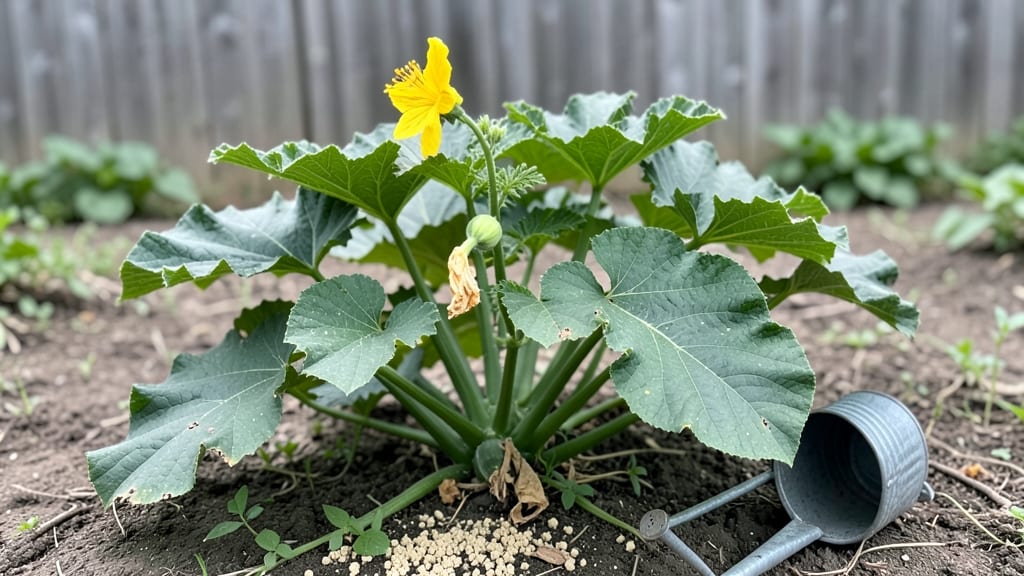
Here’s how to produce more female zucchini flowers—and why it’s the key to a harvest so bountiful your neighbors will start asking for seeds. 🌱 I learned the hard way that male flowers—while pretty—don’t produce fruit, and too many of them mean fewer zucchinis for you.
The key lies in pruning, sunlight, and a little strategic care that turns your vines into fruit factories.
You’ll need sharp pruners, a sunny spot with at least 6-8 hours of light, and a balanced fertilizer to keep plants energized. The right timing matters too: prune in the morning when plants are hydrated, and avoid over-fertilizing with nitrogen, which pushes leafy growth over fruit.
Most gardeners skip this step, but it’s what separates a decent harvest from a bushel basket.
Within 2-3 weeks of proper pruning, you’ll see more female flowers—those with tiny zucchini buds at their base—appearing along the vines. The plants stay compact, air circulates better, and you avoid the frustration of blossoms falling off without setting fruit.
Even if you’ve struggled before, this method works for first-timers and veterans alike.
Works for all zucchini varieties, from classic green to heirloom yellow, and adapts to containers if space is tight. Let’s get those vines producing like never before—no more sad male flowers going to waste!
📚 In This Guide
- What you need
- Instructions
- Tips and common mistakes
- Wrapping up and next steps
What you need
- ● Healthy zucchini plants: Choose disease-resistant varieties like ‘Black Beauty’ or ‘Eight Ball’ (1-2 mature plants per gardener for optimal results).
- ● Pruning shears: Sharp, clean bypass pruners (avoid dull tools to prevent plant damage).
- ● Gloves: Gardening gloves (nitrile or leather) to protect hands from thorns and sap.
- ● Watering can or hose: With a gentle spray nozzle for post-pruning hydration.
- ● Organic mulch: Straw, grass clippings, or shredded leaves (2-3 inches thick) to retain moisture.
- ● Fertilizer: Balanced organic fertilizer (10-10-10 or compost tea) for nutrient boosts.
- ● Plant growth regulator: Like Seaweed extract (1 tsp/gallon) to encourage flowering.
- ● Shade cloth: 30-50% coverage for hot climates to reduce stress on plants.
- ● Journal or app: To track pruning dates and flower counts (e.g., Gardenate or a simple notebook).
- ● Pest control: Neem oil or insecticidal soap for aphids/squash bugs.
Step-by-Step guide to encouraging more female zucchini flowers
Here's how I've learned to manipulate plant hormones naturally for a harvest overflowing with fruit.
🌱 Step 1: Identify and Prune Male Flowers Early
Female zucchini flowers have tiny zucchini shapes at their base, while male flowers have no swelling. I start by removing all male flowers as soon as they open—this redirects the plant's energy toward producing female blooms. Use clean pruning shears to snip the entire flower stem, not just the blossom, to prevent future male flowers from forming.
Focus on the first 6-8 inches of new growth where most male flowers appear. This strategic pruning forces the plant to prioritize female flower production. I make this my morning routine for the first 3-4 weeks of flowering, checking daily for new male blooms to remove immediately.
☀️ Step 2: Optimize Light and Fertilization
Zucchini plants need full sun (6-8 hours daily) to produce abundant female flowers. If your plants are shaded, move them to a sunnier location or supplement with a grow light for 14-16 hours daily. I've found that even partial shade reduces female flower production by 30-40%, so this step is critical for consistent results.
Use a balanced fertilizer (10-10-10) at half-strength every 2 weeks during flowering. Too much nitrogen promotes leafy growth at the expense of flowers. I switch to a low-nitrogen, high-phosphorus (5-10-10) fertilizer once female flowers begin appearing to encourage fruit set and development.
✂️ Step 3: Thin Existing Fruit Strategically
Overloaded vines produce fewer female flowers. Once zucchini reach 4-6 inches, I remove all but 2-3 per plant—this prevents the plant from diverting energy to fruit development and instead encourages more female flower production. I always keep the largest, healthiest zucchini and remove any deformed or small ones immediately.
This thinning should happen every 3-5 days during peak production. I use this as my cue to also check for new female flowers, as the plant often responds to thinning by producing a fresh flush of blooms within 2-3 days. The key is consistency—skipping this step leads to fewer flowers and smaller harvests.
💧 Step 4: Maintain Consistent Moisture and Stress Management
Zucchini plants need 1-1.5 inches of water weekly, delivered at the base to avoid wetting leaves (which promotes disease). I water deeply in the morning to allow foliage to dry before evening. Inconsistent moisture causes stress, which triggers more male flowers. Use a moisture meter to check soil—water when the top 2 inches feel dry.
During hot spells, I add 2-3 inches of mulch around the base to retain moisture and cool roots. Stress from drought or extreme heat shifts flower production toward male blooms. I also avoid heavy pruning during flowering—just remove yellowed leaves and any male flowers that appear. The goal is to keep the plant healthy and focused on producing female blooms.
Tips & tricks for producing more female zucchini flowers
These targeted strategies will help you maximize female flower production and transform your zucchini harvest from meager to magnificent.
Timing is Everything: In Step 1, I can't emphasize enough how critical those first 3-4 weeks are. This is when zucchini plants are most responsive to pruning. I've seen plants that produced 80% female flowers when I stayed consistent during this window, compared to just 40% when I skipped a week. Check your plants daily—male flowers can appear overnight, and every one you remove redirects energy toward female blooms. The key is persistence during this initial period.
Light Optimization Strategy: When supplementing with grow lights in Step 2, position them just above the plant canopy—not too close, or you'll burn leaves. I use a timer for 14-16 hours daily to simulate long summer days. The light should be bright enough that you can read a book under it at plant height. This consistent light exposure is what triggers the hormonal shift toward female flower production. I've seen plants in partial shade produce 30-40% fewer female flowers, so this step makes a measurable difference.
Fruit Thinning Psychology: The every 3-5 days thinning schedule in Step 3 isn't just about fruit size—it's about sending the plant signals. When you remove overloaded fruit, you're essentially telling the plant, "You've got capacity for more flowers." I've noticed that plants often respond with a fresh flush of female blooms within 2-3 days after thinning. Keep your largest, healthiest zucchini to maintain genetic quality while encouraging more flowers to form.
Stress Management Secret: During hot spells, that 2-3 inches of mulch in Step 4 does more than retain moisture—it creates a cooler microclimate at the roots. I've measured soil temperatures 10°F cooler with mulch during peak afternoon heat. This temperature regulation prevents the stress response that triggers male flower production. Plus, the mulch helps maintain consistent moisture levels, which is equally important for female flower dominance.
Pro Tips for Produce More Female Zucchini Flowers
- These targeted strategies will help you maximize female flower production and transform your zucchini harvest from meager to magnificent.
- Timing is Everything: In Step 1, I can't emphasize enough how critical those first 3-4 weeks are.
- Light Optimization Strategy: When supplementing with grow lights in Step 2, position them just above the plant canopy—not too close, or you'll burn leaves.
Frequently asked questions
Got questions about maximizing female zucchini flowers?
You’re not alone! Here are answers to the most common concerns—from timing to troubleshooting—so you can boost your harvest like a pro.
Why aren’t my zucchini plants producing more female flowers?
Female flowers (with tiny zucchinis at their base) thrive when plants get consistent warmth, sunlight (6+ hours/day), and balanced nutrients. If you’re seeing mostly male flowers (long stems, no fruit), check for:
- Underwatering or overwatering
- Nitrogen-heavy fertilizer (switch to phosphorus/potassium for blooms)
- Cool temps (<60°F/15°C) or stress (pests, transplant shock)
When is the best time to prune for more female flowers?
Prune early morning when plants are hydrated (avoid wilting). For bush varieties, trim after the first 3–4 female flowers appear to redirect energy. Vining types? Prune when vines reach 3–4 feet—focus on removing male flowers and suckers (side shoots). Never prune more than 1/3 of the plant at once!
Does temperature affect female flower production?
Zucchini love warmth (70–90°F/21–32°C). Below 60°F (15°C), they produce mostly male flowers. To help:
- Use row covers for spring/fall
- Plant in south-facing beds or containers
- Water deeply in evenings to retain heat
Can I force more female flowers by removing male flowers?
Yes! Male flowers (with long stems and no fruit) steal energy. Snip them off daily (especially in the morning) to push the plant to produce females. Pro tip: Use the petals in soups or pest traps! For extra yields, also remove suckers (small shoots at leaf junctions) to focus energy on main stems.
What if my zucchini plants keep producing flowers but no fruit?
This usually means pollination issues or over-pruning. Try these fixes:
- Hand-pollinate: Gently transfer pollen from male to female flowers with a paintbrush.
- Attract bees: Plant companion flowers (marigolds, nasturtiums) nearby.
- Check for pests: Aphids or squash vine borers can stress plants.
- Adjust pruning: Leave 1–2 female flowers per node to ensure fruit set.
Wrapping up and next steps
Producing more female zucchini flowers is all about strategic pruning, patience, and a little extra care—and the rewards are well worth it! 🌸 By understanding your plant’s growth habits, optimizing sunlight, and maintaining balance, you’ll soon be harvesting a bountiful crop of vibrant blooms.
Remember, every gardener starts somewhere, so embrace the process and celebrate small victories along the way.
Ready to take the next step? Monitor your plants weekly, adjust your techniques as needed, and don’t hesitate to share your progress with fellow gardeners for tips and encouragement. Happy growing—your future zucchini harvest is waiting! 🌱