Flowers
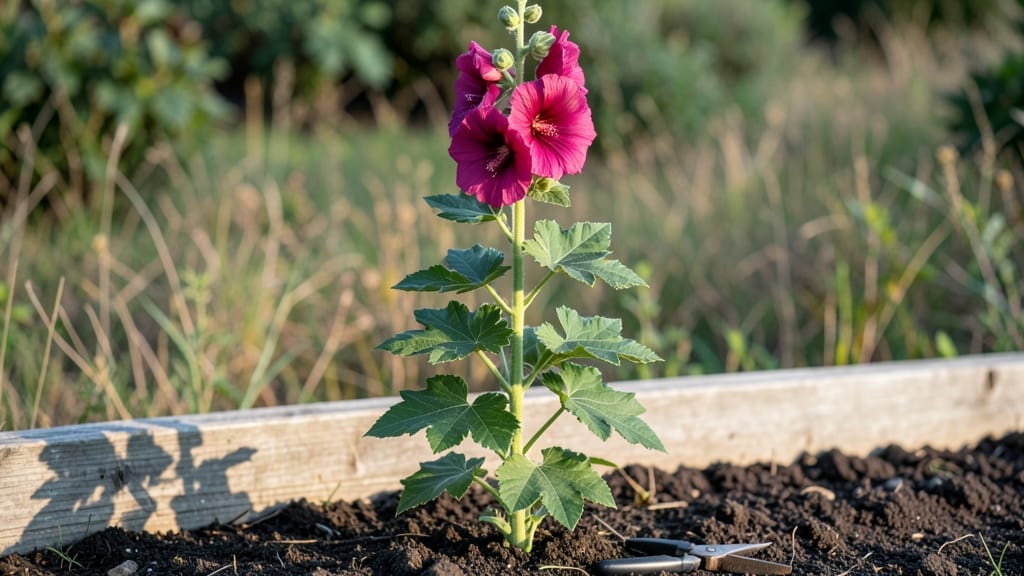
Those towering hollyhock perennial flowers can thrive in the Pacific Northwest—if you plant them right. 🌿 I’ve grown them through three winters here, and the secret lies in soil prep, timing, and a little extra care when frost rolls in.
Most gardeners treat them as annuals, but with the right approach, they’ll return year after year with those towering, old-fashioned blooms.
The key starts with well-draining soil—hollyhocks hate soggy roots—and planting them in early fall so roots establish before winter. In my garden, I mix compost into the soil and add a 3-inch layer of mulch after the first frost to insulate the crown.
They need full sun but tolerate partial shade, which is a lifesaver in cloudy PNW summers.
By spring, you’ll see those velvety spikes shooting up again, often taller and more vigorous than the first year. Prune back dead stems in early spring, and watch as new growth emerges. The blooms arrive by midsummer, and with proper care, they’ll keep coming until frost.
This method works even in cooler microclimates—just adjust mulch depth for harsher winters. The payoff? A low-maintenance, long-lived plant that brings old-fashioned charm to any garden. Ready to make them perennials in your yard?
📚 In This Guide
- What you need
- Instructions
- Tips and common mistakes
- Wrapping up and next steps
What you need
- ● Hollyhock seeds or seedlings: Choose frost-resistant varieties like 'Riesenrubin' or 'Black Prince' (5–10 plants for a small garden, 20+ for a bold display).
- ● Well-draining soil: Amend clay-heavy PNW soil with 2–3 inches of compost or aged manure per planting hole.
- ● Organic mulch: 2–3 inches of straw or wood chips to retain moisture and protect roots from frost.
- ● Support stakes or trellis: 6-foot bamboo stakes or a wire trellis (1 per plant or shared for clusters).
- ○ Balanced fertilizer (optional but recommended): 5-10-10 or compost tea (apply at planting and mid-season).
- ● Garden trowel or transplant spade
- ● Garden fork (for loosening soil)
- ● Watering can or hose with a gentle spray nozzle
- ● Pruning shears (for deadheading and shaping)
- ● Measuring tape (to space plants 18–24 inches apart)
- ● Sunlight: Full sun (6+ hours/day) or partial shade (morning sun, afternoon shade for hotter microclimates).
- ● Water access: Hollyhocks need 1–1.5 inches of water weekly (drought-tolerant once established).
- ● Patience: Perennial hollyhocks may take 2 years to reach full bloom height (5–8 feet!).
Step-by-step guide to planting frost-resistant hollyhocks in the Pacific Northwest
Here's how I've learned to grow these hardy perennials through our damp, cool seasons—with minimal fuss and maximum blooms.
🌱 Step 1: Choose the Right Hollyhock Varieties for Your Climate
For the Pacific Northwest's mild winters and frequent rain, select varieties like 'Bressingham White', 'Black Prince', or 'Nigra'—they handle 20°F without flinching. Avoid single-stemmed types; opt for multi-stemmed cultivars that regrow reliably after winter dieback. I always check the seed packet for perennial labels, as some are sold as annuals by mistake.
Plant in well-draining soil with full sun to partial shade. Hollyhocks tolerate light shade better than many perennials, making them perfect for our often cloudy summers. If your site gets afternoon shade, choose the taller varieties—they'll lean toward the light but still produce flowers.
🪴 Step 2: Prepare the Planting Site and Soil
Test your soil first—hollyhocks prefer slightly alkaline (pH 6.5-7.5). Amend heavy clay soil with 2-3 inches of compost mixed into the top 12 inches of soil. I dig a hole twice as wide as the root ball but only as deep—hollyhocks resent being planted too deep, which can cause rot.
Add a handful of bone meal fertilizer to the planting hole for phosphorus, which encourages strong root growth. Water the hole thoroughly before planting to settle the soil. Space plants 2-3 feet apart—they'll spread over time, and crowding invites fungal diseases like rust, which thrives in our damp climate.
☀️ Step 3: Plant and Stake for Wind Protection
Gently remove the plant from its container and loosen any circling roots. Place it in the hole so the top of the root ball sits 1 inch below soil level. Backfill with native soil, pressing lightly to eliminate air pockets. Water deeply to settle the soil and encourage root contact.
Stake immediately—even in sheltered gardens, Pacific Northwest winds will snap tall stems. Use 3-4 foot bamboo stakes tied loosely with soft twine. I avoid tight ties; hollyhocks grow fast, and constriction can girdle stems. Mulch with 2-3 inches of wood chips to retain moisture and suppress weeds.
💧 Step 4: Water and Fertilize for First-Year Establishment
Water deeply 2-3 times per week for the first month, then taper to once weekly once established. Hollyhocks are drought-tolerant once rooted, but young plants need consistent moisture. I check by sticking my finger 2 inches into the soil—if it's dry, water thoroughly.
Apply a balanced fertilizer (10-10-10) at half-strength in early spring and again after the first flush of blooms. Avoid high-nitrogen fertilizers—they promote leafy growth at the expense of flowers. In fall, top-dress with compost to prepare for winter.
✂️ Step 5: Prune and Overwinter for Next Year's Blooms
After the first hard frost, cut back stems to 6 inches above the ground. This prevents wind damage and reduces the spread of rust spores over winter. I always sterilize my pruners with rubbing alcohol between cuts to prevent disease transmission.
Leave the mulch in place through winter—it insulates roots and protects against 10°F temps. In early spring, remove old mulch and add fresh before new growth appears. Watch for first true leaves in late winter; this is your signal to start light fertilizing and watering.
Tips & tricks for perfect frost-resistant hollyhock planting
Here's what I've learned after years of growing these stunning perennials through our damp Pacific Northwest winters—tricks that'll help you avoid common pitfalls and get those tall, dramatic blooms every season.
Variety Selection Wisdom: When choosing your hollyhocks, look for multi-stemmed cultivars like 'Bressingham White' or 'Black Prince'—they're the ones that regrow reliably after winter dieback. I've made the mistake of planting single-stemmed varieties that died back completely and never recovered. Also, always double-check that your seeds or plants are labeled as perennials—some nurseries sell them as annuals by mistake, which is a total waste of money for our climate.
Soil Prep Secret: The 2-3 inches of compost mixed into the top 12 inches of soil isn't just about nutrients—it's about creating that perfect drainage hollyhocks crave. In our rainy climate, poor drainage is the #1 reason these plants fail. If you have heavy clay soil, consider adding some coarse sand or perlite to that compost mix. And remember, hollyhocks prefer slightly alkaline soil (pH 6.5-7.5)—if your soil test shows lower pH, add some garden lime to the planting hole.
Winter Protection Strategy: That 6-inch pruning after the first hard frost isn't just about tidying up—it's about preventing wind damage during winter storms. I've seen 6-foot stems snap like twigs in our Pacific Northwest winds. Use those 3-4 foot bamboo stakes immediately after planting, and tie them loosely with soft twine. The key is to avoid tight ties that can girdle the stems as they grow. Also, leave that 2-3 inches of wood chip mulch in place through winter—it acts like a cozy blanket, protecting roots down to 10°F temperatures.
Watering Insight: The deep watering routine—2-3 times per week for the first month—is crucial for establishing strong roots. I check soil moisture by sticking my finger 2 inches deep; if it's dry, that's your cue to water. But here's the thing: hollyhocks are surprisingly drought-tolerant once established. Once they're settled in, you can reduce to weekly watering, and they'll reward you with those beautiful blooms all summer long. Just don't let them dry out completely during their first year.
Pro Tips for Hollyhock Perennial Flowers
- Here's what I've learned after years of growing these stunning perennials through our damp Pacific Northwest winters—...
- Variety Selection Wisdom: When choosing your hollyhocks, look for multi-stemmed cultivars like 'Bressingham White' or...
- Soil Prep Secret: The 2-3 inches of compost mixed into the top 12 inches of soil isn't just about nutrients—it's abou...
Frequently asked questions
Got questions about growing hollyhocks in the Pacific Northwest? You’re not alone!
Whether you’re a first-time gardener or a seasoned pro, these hollyhock perennial flowers often spark curiosity. Here’s a quick breakdown of the most common queries—plus expert tips to keep your garden thriving.
Are hollyhocks truly perennial in the PNW’s cold winters?
Yes! Hollyhocks are frost-resistant perennials that thrive in the Pacific Northwest’s Zone 4-9 climates. Their deep roots protect them from winter chill, and many varieties (like Alcea rosea) regrow reliably each spring. Pro tip: Mulch heavily in late fall to shield tender roots from extreme cold snaps.
When is the best time to plant hollyhock seeds or transplants?
For seeds, sow directly in early spring (March–April) after the last frost or in late summer (August) for fall blooms. Transplants can go in spring or early fall. Avoid planting too late—hollyhocks need 6–8 weeks to establish roots before winter.
What pests or diseases should I watch for with hollyhocks?
Hollyhocks are generally low-maintenance, but keep an eye out for:
- Rust fungus (orange spots on leaves)—remove infected foliage and space plants for airflow.
- Aphids (tiny green bugs)—blast off with water or use insecticidal soap.
- Japanese beetles—handpick or use neem oil early in the season.
Can I grow hollyhocks in containers, or do they need a garden bed?
Hollyhocks can thrive in containers if you choose dwarf varieties (like ‘Peach Blow’) and provide:
- A 5-gallon pot minimum (deeper = better for roots).
- Well-draining soil mixed with compost.
- Full sun (6+ hours daily).
What are some low-maintenance alternatives to hollyhocks for PNW gardens?
If hollyhocks seem too high-maintenance, try these frost-hardy perennials with similar height and drama:
- Delphiniums—tall, striking blooms; cut back after flowering.
- Foxgloves (Digitalis)—biennial but self-seeds easily; loves shade.
- Russian Sage (Perovskia)—drought-tolerant, purple spikes, deer-resistant.
- Hollyhock lookalike: Malva alcea (Mallow)—similar height, fewer pests.
Wrapping up and next steps
Hollyhock perennial flowers are a fantastic choice for the Pacific Northwest’s cool, frost-prone climate—offering bold beauty, low maintenance, and resilience that’ll make your garden stand out. 🌸 From selecting the right varieties to mastering planting and care, this guide gives you everything to cultivate thriving hollyhocks that bloom year after year.
Now that you’re armed with expert tips, grab your gloves and get planting!
Ready to transform your garden? Start with a single patch this season, experiment with colors, and watch your hollyhocks grow into a stunning, frost-hardy focal point. Happy gardening! 🌱