
Container Gardens
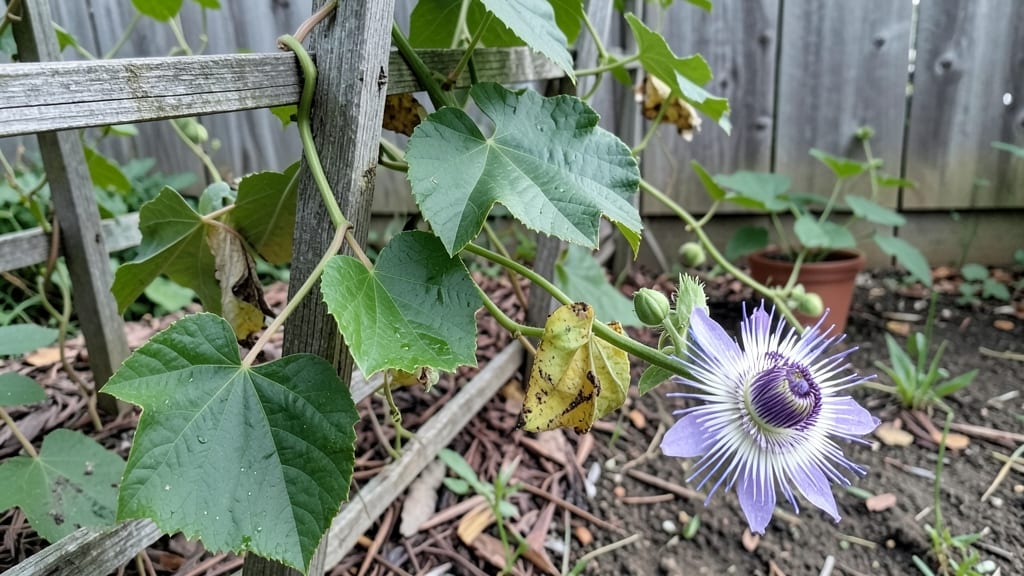
Growing passion flower is like inviting a tropical guest to stay forever—its fragrant, moonlit blooms and hummingbird magnet status make it worth every bit of patience. 🌿 I still remember the first time I watched a hummingbird hover over my vine, its wings a blur of motion, while the intoxicating scent of night-blooming flowers filled the evening air.
This isn’t just a plant; it’s an experience that transforms any space into a living garden story.
The secret to success starts with the right setup: rich, well-draining soil, a sturdy trellis or fence for climbing, and 6+ hours of sunlight daily. Passion vines thrive in containers too, making them perfect for balconies or small yards.
Water consistently but avoid soggy roots—think of it like a thirsty traveler who needs steady drinks, not floods. In warmer climates, they’ll bloom year-round; cooler zones may need winter protection, but even a single season brings rewards.
By summer’s end, you’ll be rewarded with vibrant, exotic blooms and—if you’re lucky—edible passion fruits that taste like a mix of citrus and berry. The vines grow fast, so regular pruning keeps them manageable and encourages more flowers.
Even beginners can master this, as long as you give it space to stretch and a little extra TLC during dry spells.
Whether you’re growing it for the dramatic flowers, the hummingbirds, or the fruit, passion vines deliver on all fronts. The key is starting small—maybe a single vine in a container—and letting it teach you its rhythms.
Before you know it, you’ll have a garden that feels alive with movement and scent, all from one plant.
📚 In This Guide
- What you need
- Instructions
- Tips and common mistakes
- Wrapping up and next steps
What you need
- ● Passion flower plants: 1–3 young plants (choose Passiflora incarnata for hardiness or Passiflora caerulea for frost tolerance)
- ○ Optional: Seeds (soak overnight for faster germination)
- ● Container or planting area: 5–10 gallon pot (if container gardening) with drainage holes
- ● OR well-draining garden bed (full sun to partial shade)
- ● High-quality potting mix: 1 bag (2–3 cubic feet) of well-draining mix (add perlite or sand for containers)
- ● Support structure: Trellis, arbor, or fence (6+ feet tall for vigorous varieties)
- ● Garden tools: Trowel, gloves, pruners (sterilized)
- ● Fertilizer: Balanced 10-10-10 or organic compost (mix 1 cup into soil)
- ● Mulch: Wood chips or straw (2–3 inches to retain moisture)
- ● Watering can or hose: With a gentle spray nozzle
- ○ Optional (but helpful!): Hummingbird feeder (to attract pollinators early!)
- ● Slow-release fertilizer tablets (for containers)
- ● Epsom salt (1 tbsp/month for magnesium boost)
Step-by-Step instructions for growing passion flower vines
Here's how to coax those exotic, fragrant blooms into your garden—hummingbirds will thank you.
🌱 Step 1: Choose the Right Location and Prepare the Soil
Passion flowers thrive in full sun to partial shade, with at least 6 hours of direct sunlight daily. I plant mine where morning sun warms the vines but afternoon shade protects delicate blooms from scorching. The soil should drain well but retain moisture—amend heavy clay with 2-3 inches of compost before planting.
Dig a hole twice as wide as the root ball but only as deep. The plant's crown should sit just above soil level—burying it too deep smothers the stem and causes rot. If your soil is sandy, add a handful of organic matter to help retain moisture for those first critical weeks.
☀️ Step 2: Plant and Provide Support for Climbing
Gently remove the plant from its container and loosen any tangled roots. Place it in the hole, backfilling with soil while pressing lightly to eliminate air pockets. Water deeply right after planting to settle the soil and encourage root contact.
Passion vines need strong support—install a 6-8 foot trellis, fence, or arbor near the planting site before inserting the plant. I use a sturdy wooden trellis with horizontal slats spaced 12 inches apart so the vines can weave through naturally. Tie the main stem loosely to the trellis with soft twine as it grows.
💧 Step 3: Water Consistently and Fertilize Lightly
Keep the soil evenly moist but never soggy—passion flowers hate wet feet. Water deeply 2-3 times per week until the top 6 inches of soil feel damp. Once established, they tolerate brief dry spells, but consistent moisture produces the most vigorous growth and abundant blooms.
Feed with a balanced 10-10-10 fertilizer every 4-6 weeks during the growing season. I halve the recommended dose because passion vines are sensitive to over-fertilization, which leads to leafy growth at the expense of flowers. Stop fertilizing in late summer to encourage blooming.
✂️ Step 4: Prune for Health and Encourage More Blooms
Prune in early spring before new growth begins. Remove any dead, diseased, or crossing branches first—this improves airflow and prevents fungal issues. Then cut back last year's growth by one-third to stimulate fresh, vigorous shoots.
Throughout the season, pinch back new growth to encourage bushier vines. You'll see side shoots form where you trim, and these produce more flowers. Never prune after early summer—new growth won't harden off before frost, and you'll lose next year's blooms.
🌿 Step 5: Protect and Enjoy the Hummingbird Magnet
Passion flowers are hardy to USDA Zone 6, but in colder areas, mulch heavily around the base in fall with 3-4 inches of shredded leaves or straw. This insulates roots during winter and breaks down to feed the plant in spring.
Watch for tomato hornworms—they adore passion vines! Handpick any large caterpillars you spot, and you'll see fewer damaged leaves. The fragrant, intricate blooms will reward your efforts, attracting hummingbirds that flit from flower to flower at dawn and dusk.
Tips & tricks for growing passion flower vines
A few key tricks will help you cultivate thriving passion flowers that reward you with stunning blooms and hummingbird visitors.
Location and Sunlight: In Step 1, when choosing your planting spot, remember that passion flowers need that full sun to partial shade balance for best results. The morning sun gives them the energy boost they need, while afternoon shade protects the delicate blooms from scorching. If you're in a hot climate, consider planting near a fence or wall that provides natural afternoon shade. I've seen passion vines struggle in full afternoon sun—watch for leaf scorch as an early warning sign.
Support System: Don't skip installing that trellis before planting! In Step 2, when you're setting up your support structure, make sure it's sturdy enough to handle the vine's weight as it grows. I've seen flimsy trellises collapse under the weight of mature passion vines. A 6-8 foot wooden trellis with horizontal slats spaced 12 inches apart gives the vines plenty of room to weave through naturally. This also makes harvesting fruit easier if you're growing edible varieties.
Watering Wisdom: The 2-3 times per week watering schedule in Step 3 is perfect, but there's a trick to it. Water deeply at the base of the plant rather than sprinkling overhead. This prevents fungal diseases that can develop on the leaves. I use a soaker hose for this—it delivers water right to the roots where it's needed most. Also, check soil moisture by sticking your finger about 2 inches into the soil; if it feels dry, it's time to water.
Pruning Secrets: When you're pruning in Step 4, focus on removing those crossing branches first—they compete for sunlight and nutrients. I've found that cutting back last year's growth by one-third actually stimulates new, more vigorous growth. And here's a pro tip: use clean, sharp pruners to make clean cuts. Ragged cuts can invite disease into the plant. Also, pinch back new growth regularly throughout the season to encourage bushier vines with more flowers.
Pro Tips for Growing Passion Flower
- A few key tricks will help you cultivate thriving passion flowers that reward you with stunning blooms and hummingbird visitors.
- Location and Sunlight: In Step 1, when choosing your planting spot, remember that passion flowers need that full sun to partial shade balance for best results.
- Support System: Don't skip installing that trellis before planting!
Frequently asked questions
Got questions about nurturing your Passiflora? You’re not alone! Here are answers to the most common queries—from planting to troubleshooting—so you can grow these stunning, hummingbird-loving vines with confidence.
How fast does passion flower grow, and how big will it get?
Passion flowers are fast growers—expect 3–6 feet per season in ideal conditions! Most vines reach 10–30 feet at maturity, depending on the variety. In containers, growth slows but still thrives with regular pruning. Pro tip: Train vines on a trellis early to guide their rapid climb!
When is the best time to plant passion flower seeds or cuttings?
For seeds, start indoors 8–12 weeks before your last frost—germination can take weeks! Plant outdoors after soil warms to 60°F+ (spring or early summer). Cuttings root best in late spring/early summer when new growth is vigorous. Avoid winter planting unless in USDA Zones 9–11.
Why aren’t my passion flowers blooming, and how can I fix it?
Blooms often lag due to immature vines (wait 1–2 years), lack of sunlight (6+ hours daily), or over-fertilizing (stick to balanced 10-10-10 in spring/summer). Prune leggy growth to encourage bushier, flower-heavy plants. Bonus: Deadhead spent blooms to redirect energy!
Can I grow passion flower in a container, and what’s the best pot size?
Choose a 10–15 gallon pot with drainage holes for mature vines (smaller for young plants). Use a well-draining mix (cactus/succulent blend + perlite). Container tip: Rotate pots monthly for even sunlight and prune roots if they circle the pot. Trellises are a must—vines need vertical space!
Are there low-maintenance passion flower varieties for beginners?
Yes! Try Passiflora caerulea (hardy to Zone 5, fragrant white blooms) or Passiflora incarnata (native, drought-tolerant, edible fruit). Both thrive in containers and attract pollinators. Avoid Passiflora edulis (passionfruit) for beginners—it’s fussy and invasive in warm climates.
How do I protect passion flowers from pests like aphids or spider mites?
Start with neem oil spray or insecticidal soap for soft-bodied pests. Ladybugs and lacewings are natural allies! Keep vines well-watered (drought stress invites mites) and prune crowded foliage for airflow. Prevention pro: Inspect new plants before bringing them home!
Wrapping up and next steps
Growing passion flower is a rewarding journey—whether you’re drawn to their stunning blooms, the joy of attracting hummingbirds, or the fragrant nighttime perfume. With the right care, these vines thrive in containers or trellises, offering beauty and function.
Start small, stay patient, and soon you’ll be rewarded with a lush, fragrant garden that buzzes with life!
Ready to transform your space? Grab your supplies, pick a sunny spot, and plant your first passion flower vine—your future hummingbird haven awaits! 🌿✨