Aphids
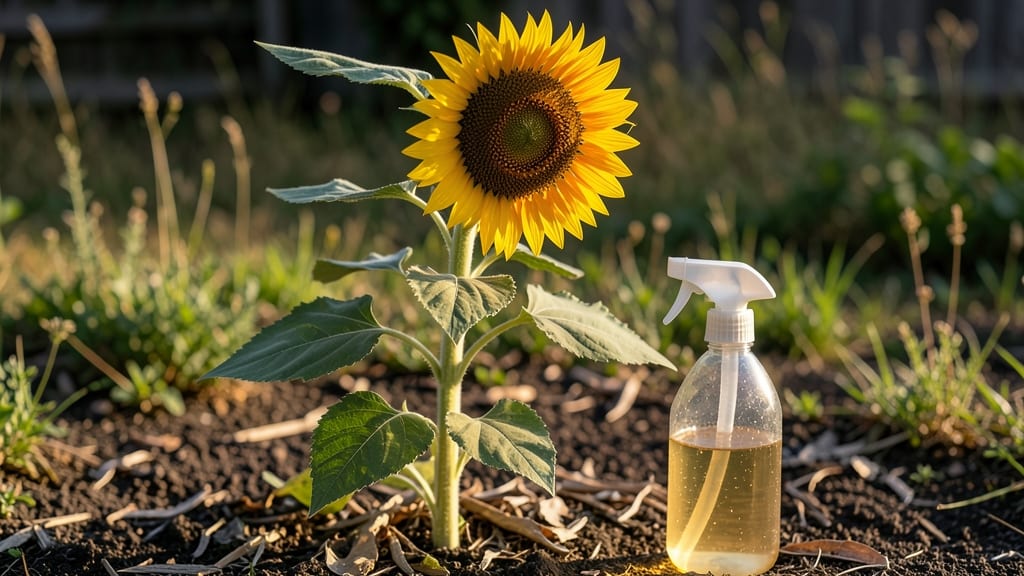
When sunflowers get hit with aphids or fungal spots, organic fungicide sprays stop the damage before it ruins your plants. I’ve seen powdery mildew turn those golden petals into sad, white dust—until I switched to a homemade neem oil blend.
The key is acting fast, before the spots spread or the pests multiply.
You’ll need just three things: neem oil, a few drops of dish soap, and water. Mix it up in a spray bottle, and you’ve got a fast-acting, plant-safe solution that works in hours—not days.
The soap helps the oil stick to leaves, while the neem oil disrupts aphids’ life cycle and fights mildew spores on contact.
What you’ll get is sunflowers that stay bold, healthy, and pest-free—no more wilting or stunted growth. The best part? This spray keeps working even after the first application, so you won’t be chasing problems all season. Ready to protect your blooms?
Works for both aphids and fungal diseases, so you cover all the common issues in one spray. Just remember: early mornings or evenings are the best times to apply, when the sun isn’t burning off the mixture too quickly.
📚 In This Guide
- What you need
- Instructions
- Tips and common mistakes
- Wrapping up and next steps
What you need
- ● Organic fungicide ingredients: 1 tablespoon neem oil (100% cold-pressed, organic)
- ● 1 tablespoon baking soda (food-grade)
- ● 1 teaspoon dish soap (mild, like Castile soap)
- ● 1 quart (32 oz) water (room temperature)
- ○ Optional boosters (for stubborn infestations): 1 tablespoon garlic powder or garlic juice (natural aphid repellent)
- ● 1 teaspoon potassium bicarbonate (for extra fungal control)
- ● 1 spray bottle (16–32 oz, with a fine mist nozzle)
- ● 1 measuring spoons (for precise ingredient ratios)
- ● 1 wooden spoon or whisk (for mixing)
- ○ Gloves (optional, to protect hands)
- ○ Eye protection (optional, if spraying near eyes)
- ● Choose a calm, overcast day (to avoid stressing sunflowers with direct sun)
- ● Test the spray on a small leaf first (to check for sensitivity)
- ● Apply early morning or late evening (when aphids are most active)
How to make an organic fungicide spray for sunflowers
Here's my go-to method for protecting sunflowers from fungal diseases and pests—fast and chemical-free.
Gather Your Organic Ingredients
You’ll need 1 quart of water, 1 tablespoon of neem oil, 1 teaspoon of baking soda, and 1 drop of liquid soap (like castile soap). Neem oil disrupts fungal growth and deters aphids, while baking soda creates an alkaline environment that fungi hate. The soap helps the mixture cling to leaves.
Mix these in a spray bottle, shaking gently to combine. Avoid vigorous shaking—neem oil can break down if agitated too much. This recipe covers about 4 sunflowers, so double it if you’ve got more plants to treat.
Apply the Spray at the Right Time
Spray in the early morning or late afternoon when temperatures are below 85°F. Direct sunlight can burn leaves if the spray sits too long, and high heat reduces the effectiveness of neem oil. Hold the bottle 12 inches away from the plants and apply until leaves are lightly damp but not dripping. Focus on the undersides of leaves—fungi and pests love hiding there.
Reapply every 7-10 days or after rain, as water washes the spray away. Consistency is key—fungal spores spread fast, so don’t skip treatments. If you see yellowing leaves or black spots, act immediately. These are classic signs of powdery mildew or rust, which this spray can stop in their tracks.
Prevent Future Fungal Issues
After spraying, improve airflow around your sunflowers by spacing them 12-18 inches apart. Crowded plants trap moisture, creating the perfect conditions for fungi. Water at the base of the plant in the morning to keep foliage dry—wet leaves for long periods invite disease.
Rotate your sunflowers occasionally to ensure even sun exposure. Uneven light stress weakens plants, making them more susceptible to infections. If aphids return, repeat the spray but add 1 teaspoon of garlic juice to the mix for extra pest-deterring power. Garlic’s sulfur compounds confuse aphids’ scent trails, keeping them away.
Monitor and Adjust as Needed
Check your sunflowers every 3-4 days for new signs of distress. If you notice sticky residue on leaves (honeydew), aphids are likely feeding—spray again immediately. For stubborn fungal spots, increase the baking soda to 1.5 teaspoons and add 1 tablespoon of hydrogen peroxide (3%) to boost antifungal properties.
This spray works fast, but prevention is even better. Healthy sunflowers resist pests and diseases naturally. If your plants stay strong with proper spacing, watering, and sunlight, you’ll rarely need to spray at all. That’s the goal—keeping your sunflowers thriving without constant intervention.
Tips & tricks for perfect sunflower fungicide spray
Here's what I've learned to make this organic fungicide work even better—saving you time and keeping your sunflowers thriving.
Mixing Tip: When combining your ingredients in Step 1, don't skip the gentle shake—neem oil separates easily. I like to swirl the bottle in slow circles for about 30 seconds instead of vigorous shaking. This keeps the neem oil's beneficial compounds intact while still creating a uniform spray. The soap helps everything blend smoothly, but too much vigorous shaking can break down the neem oil's effectiveness.
Application Technique: In Step 2, focus on thorough coverage rather than just spraying the visible leaf surfaces. Use your fingers to gently lift leaves and spray the undersides where fungal spores often hide. I find it helpful to work in sections—spray one side of the plant completely before moving to the next. This ensures even distribution of the active ingredients. Remember, the 12-inch distance recommendation is perfect for creating a fine mist that clings without dripping.
Enhancement Strategy: For extra protection against stubborn fungal issues mentioned in Step 4, consider adding 1 teaspoon of garlic juice to your original mixture. The garlic's natural compounds work synergistically with the neem oil and baking soda. I've found this optional addition particularly effective against aphids that might return after your initial treatment. Just remember to shake well before each use, as garlic juice can separate from the other ingredients.
Prevention Tip: The spacing recommendation of 12-18 inches in Step 3 is crucial for airflow, but don't forget about vertical spacing too. If your sunflowers are tall, consider gently spreading the leaves outward to allow air to circulate between them. This prevents moisture buildup that fungi love. I also recommend removing any yellow or diseased leaves immediately—they can spread spores to healthy parts of the plant.
Pro Tips for Fungicide For Sunflowers
- Here's what I've learned to make this organic fungicide work even better—saving you time and keeping your sunflowers ...
- Mixing Tip: When combining your ingredients in Step 1, don't skip the gentle shake—neem oil separates easily. I like ...
- Application Technique: In Step 2, focus on thorough coverage rather than just spraying the visible leaf surfaces. Use...
Frequently asked questions
Got questions about protecting your sunflowers with fungicide?
Here are some of the most common concerns—and answers—to help you keep those golden blooms thriving.
What’s the best time to apply fungicide to sunflowers?
Apply fungicide preventively at the first sign of disease (like powdery mildew or rust) or when aphids appear. For organic sprays, treat in the early morning or late evening when bees are less active. Reapply every 7–14 days during wet or humid conditions to maintain protection.
Can I use fungicide on sunflowers if I’m growing them for seeds?
Yes, but choose food-safe fungicides labeled for edible crops. Avoid synthetic chemicals like copper sulfate (toxic in high doses) and opt for organic options like neem oil or potassium bicarbonate. Always follow harvest intervals on the product label to ensure seed safety.
What’s a natural alternative to chemical fungicides for sunflowers?
Try these organic sprays:
- Neem oil (1 tsp per quart of water + a drop of soap as an emulsifier)
- Baking soda spray (1 tbsp baking soda + 1 tsp oil + 1 gallon water)
- Garlic or chili pepper spray (blend 1 garlic bulb or 1 chili with water, strain, and spray)
Reapply every 5–7 days for best results.
Why isn’t my fungicide working? Troubleshooting tips
If your fungicide fails, check these common issues:
- Wrong timing: Spray before symptoms appear, not after.
- Poor coverage: Focus on undersides of leaves where fungi thrive.
- Humidity issues: Fungicides wash off in heavy rain—reapply after storms.
- Resistant strains: Rotate between copper-based and organic fungicides.
For stubborn aphids, mix fungicide with insecticidal soap for double protection.
Does rain affect fungicide effectiveness?
Yes! Rain can wash off fungicides within 24–48 hours. Apply sprays before forecasted rain or use sticky sprays (like those with horticultural oil) to improve adhesion. If rain hits soon after application, reapply when leaves are dry.
Wrapping up and next steps
Protecting your sunflowers from aphids and fungal diseases doesn’t have to be a battle—with the right organic fungicide spray, you can keep your plants thriving naturally! 🌱 By using simple, eco-friendly ingredients like neem oil, garlic spray, or baking soda, you’re not only safeguarding your garden but also promoting long-term soil health. Start small, monitor your plants regularly, and soon you’ll see those vibrant blooms standing tall and strong.
Ready to take action? Grab your supplies, follow the steps, and give your sunflowers the care they deserve! 🌻 For even more tips, check out our guide on organic pest control to keep your garden flourishing all season.