
Flowers
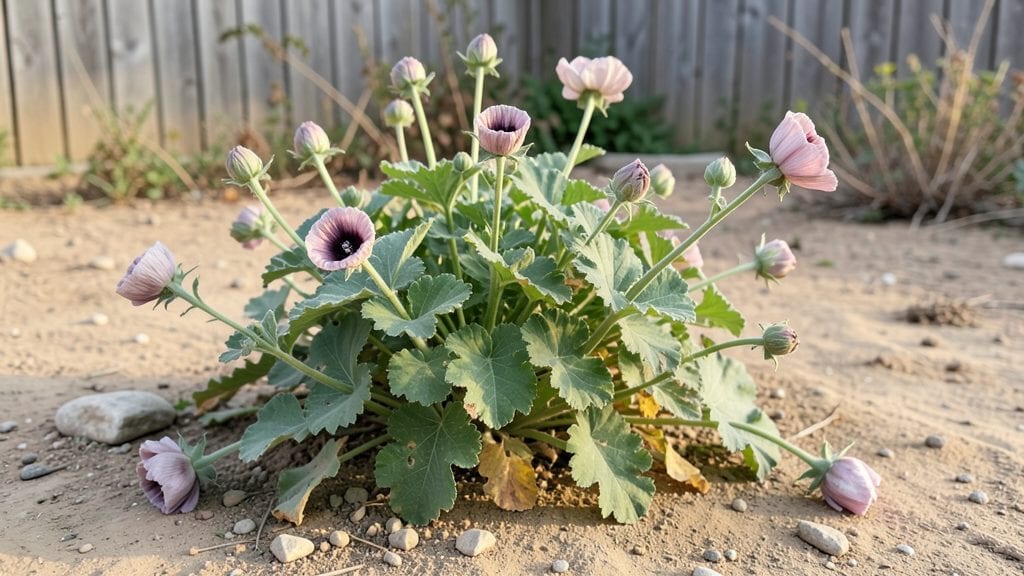
Creating a vibrant flower patch in sandy soil starts with embracing its natural grit—just like coastal dunes, where resilient plants thrive with minimal fuss. The key isn’t fighting the soil but working with it: adding organic matter to lock in moisture, choosing drought-tolerant blooms, and layering textures for drama.
My first sandy patch looked sparse until I swapped heavy mulch for crushed granite and planted sea lavender, beach roses, and coreopsis—now it’s a sun-drenched oasis that rivals any nursery display.
This recipe works best in full sun, where sandy soil drains too fast for finicky flowers. You’ll need composted pine fines (for acid-loving plants) or well-aged manure (for nutrient-hungry annuals), plus a slow-release fertilizer to prevent leaching. The layout?
Cluster tall grasses at the back, mid-height perennials in the middle, and sprawling ground covers like ice plant up front—just like nature stacks dunes. Maintenance is light: water deeply once a week after establishment, and deadhead spent blooms to encourage repeat flowering.
What you’ll end up with is a textured, low-maintenance garden that stays lush even in drought. The colors pop against the pale sand—think salmon roses, lavender-blue salvias, and golden black-eyed Susans—while the fragrance of evening primrose fills the air at dusk.
This isn’t just a flower bed; it’s a coastal escape that flourishes with minimal effort. Ready to transform that gritty patch into a showstopper?
Works equally well in landscaped beds, container gardens, or even urban courtyards with amended soil. The same principles apply whether you’re mimicking a dune ecosystem or just want a carefree, colorful garden that doesn’t demand constant attention. Let’s get planting!
📚 In This Guide
- What you need
- Instructions
- Tips and common mistakes
- Wrapping up and next steps
What you need
- ● Native sandy soil (or 60-70% sand) – Aim for coarse, well-draining sand (e.g., builder’s sand or local dune sand). Pro tip: Mix in 10-20% compost to boost nutrients without compacting the soil.
- ● Perlite or pumice (10-15%) – Improves aeration and drainage (1-2 bags per 5 sq. ft. patch).
- ● Slow-release fertilizer (5-10-10 or coastal-specific blend) – 1 lb per 10 sq. ft. to kickstart growth.
- ● Mulch (pine bark or straw) – 2-3 inches to retain moisture and mimic dune conditions.
- ● Dune-adapted flowers: Sea thrift (Armeria maritima) – 3-5 plants per 1 sq. ft.
- ● Beach heather (Erica cinerea) – 4-6 plants per 2 sq. ft.
- ● Sunflower (Helianthus debilis) – 1-2 per sq. ft. for height.
- ● Sand verbena (Abronia latifolia) – 5-7 plants per sq. ft. for ground cover.
- ● Garden fork or tiller – For amending sandy soil without clumping.
- ● Rake (fine-tooth) – To level and smooth the patch.
- ○ Drip irrigation or soaker hose – Optional but recommended for sandy soil’s thirsty nature.
- ● Rocks or driftwood – For a coastal aesthetic (scatter lightly!).
- ● Epsom salt (magnesium sulfate) – 1 tbsp per gallon of water for flowering boosts (every 4-6 weeks).
Step-by-Step instructions for creating a thriving coastal flower patch
Here's how to transform sandy soil into a vibrant, low-maintenance garden that thrives like natural coastal dunes.
Conduct a Soil Analysis and Amend for Better Water Retention
Begin by testing your sandy soil's pH and nutrient levels using a simple home kit. Sandy soil drains too quickly, so we'll need to incorporate organic matter to improve moisture retention and microbial activity. I like to work in 2-3 inches of compost mixed into the top 6 inches of soil—this mimics the natural organic buildup found in coastal dunes.
For even better results, blend in 1 cup of perlite per square foot to maintain drainage while preventing compaction. Sandy soil lacks the fine particles that hold nutrients, so add 1/2 cup of balanced organic fertilizer (10-10-10) per square foot. Work these amendments into the soil until the texture resembles crumbly, moist sand—not dense or clumpy.
Choose Coastal-Adapted Plant Pairings for Natural Harmony
Select plants that naturally thrive in sandy, well-drained conditions. For a 4-square-foot patch, I recommend starting with 4 core species: beach sunflower (Helianthus debilis), sand verbena (Abronia latifolia), seaside daisy (Erigeron glaucus), and coastal black-eyed Susan (Rudbeckia hirta). These species have deep roots that tolerate drought and poor soil once established.
Space plants 12-18 inches apart to allow airflow and prevent fungal issues. Beach sunflowers act as a natural windbreak for the more delicate verbena and daisies. I always plant sunflowers on the north side of the patch to provide shade for shorter species during peak afternoon sun.
Plant with Deep Mulching for Moisture Conservation
Dig holes twice as wide as the root ball but only as deep as the container. Sandy soil compacts easily when wet, so avoid pressing soil around roots—just let them settle naturally. Water each plant deeply before backfilling to encourage root expansion into the amended soil.
Apply 3 inches of coarse mulch (like pine straw or shredded bark) around each plant, keeping it 2 inches away from stems to prevent rot. This mimics the natural mulch layer of coastal dunes and helps retain 10-15% more moisture during dry spells. Replenish mulch annually as it breaks down.
Implement Strategic Watering for Sandy Soil Success
Water deeply 2-3 times per week during the first 4-6 weeks to establish roots. Sandy soil can't hold moisture, so aim for 1-1.5 inches of water per session—this encourages deep root growth rather than shallow, weak roots. You'll know you're doing it right when the top 2 inches of soil feel damp but not soggy.
After establishment, reduce watering to once weekly unless you experience 3+ days of 90°F+ temperatures. Coastal plants have adapted to drought cycles, so don't panic if leaves wilt slightly—they'll bounce back once roots access deeper moisture. Always water in the early morning to prevent fungal issues from evening moisture.
Maintain with Seasonal Coastal Care Techniques
Fertilize lightly twice annually—once in early spring with 1/4 cup of compost per plant and again in mid-summer with 1/2 cup of bone meal for phosphorus support. Sandy soil lacks nutrients, so these small inputs make a big difference. Prune spent blooms regularly to encourage continuous flowering and prevent seed production that weakens plants.
In late fall, apply 1 inch of fresh mulch and reduce watering to every 2 weeks. Coastal plants enter a natural dormancy period, and sandy soil stays too dry for winter growth. Remove any dead or diseased foliage immediately to prevent soil-borne pathogens from overwintering—this is especially critical in sandy soil where microbes struggle to break down debris.
Tips & tricks for perfect coastal flower patch planting
These essential insights will help you mimic nature's coastal dunes and create a thriving, low-maintenance garden that looks stunning with minimal effort.
Soil Texture is Everything: When amending your sandy soil in Step 1, aim for a texture that resembles "crumbly, moist sand" rather than dense clay. I've found that adding 1 cup of perlite per square foot creates the perfect balance—it prevents compaction while allowing water to drain efficiently. To test your soil's readiness, grab a handful: it should hold its shape when squeezed but easily crumble when released. This texture mimics natural dunes where plants thrive without suffocating.
Plant Placement Strategy: In Step 2, the north-side positioning of beach sunflowers isn't just about shade—it's a windbreak tactic. These tall plants create microclimates that protect more delicate species like sand verbena from harsh coastal winds. I've noticed that when sunflowers are planted on the south side, the verbena often gets scorched by afternoon sun. Trust me, this small adjustment makes a huge difference in plant survival rates during our first growing season.
Watering Science: The strategic watering in Step 4 requires understanding sandy soil's unique behavior. When you water deeply 2-3 times per week during establishment, you're not just keeping plants alive—you're training their roots to grow deep. I recommend using a rain gauge or measuring cup to ensure you're delivering exactly 1-1.5 inches of water per session. This might seem like a lot, but sandy soil drinks it up quickly, and surface watering creates weak, shallow roots that can't handle drought cycles.
Seasonal Maintenance Hack: For the twice-annual fertilization in Step 5, I've developed a simple system: mark your calendar for early spring and mid-summer with bright-colored flags at your garden's edge. This visual reminder ensures you don't miss these critical feeding windows. The bone meal application in summer gives your plants a phosphorus boost just as they're putting on their biggest growth spurt, while the spring compost provides a gentle nutrient wake-up call after winter dormancy.
Pro Tips for Flower Patch Sandy
- These essential insights will help you mimic nature's coastal dunes and create a thriving, low-maintenance garden that looks stunning with minimal effort.
- Soil Texture is Everything: When amending your sandy soil in Step 1, aim for a texture that resembles "crumbly, moist sand" rather than dense clay.
- Plant Placement Strategy: In Step 2, the north-side positioning of beach sunflowers isn't just about shade—it's a windbreak tactic.
Frequently asked questions
What are the best flowers for sandy soil in coastal areas?
Coastal sandy soil thrives with drought-tolerant, salt-resistant varieties like sea lavender (Limonium), beach sunflower (Helianthus debilis), and sand verbena (Abronia). Native grasses like seashore paspalum also blend beautifully while stabilizing soil. Avoid heavy feeders like roses—they’ll struggle in nutrient-poor sands!
How long does it take for a sandy soil flower patch to establish?
Most coastal dune plants establish within 4–8 weeks, but full bloom may take 2–3 months depending on climate. Pro tip: Water deeply once a week during the first month to encourage root growth. Once established, many require minimal watering—just like their wild counterparts!
Do I need to amend sandy soil before planting?
Sandy soil drains too quickly, so mix in 1–2 inches of compost or aged manure into the top 6–8 inches. For extra nutrients, add a slow-release organic fertilizer (like fish emulsion) at planting. Skip heavy amendments like clay—they’ll compact and suffocate roots!
Can I grow this flower patch in a non-coastal sandy area?
The same principles apply to inland sandy soils (e.g., desert or prairie gardens). Just ensure good drainage and choose low-maintenance perennials like yarrow, black-eyed Susan, or blanket flower. If your soil is too nutrient-poor, a light top-dressing of compost in spring will help.
Why are my sandy soil flowers wilting even with regular watering?
Wilting in sandy soil often signals root stress from overwatering (sand holds zero moisture) or underwatering. Check soil moisture 2 inches deep—if dry, water deeply until it drains. If soggy, reduce frequency. Salt buildup (common near coasts) can also harm plants—rinse soil occasionally with fresh water.
Wrapping up and next steps
Creating a flower patch in sandy soil inspired by coastal dunes is all about embracing nature’s resilience and beauty! 🌸 With the right plant pairings and a few simple adjustments, you can transform even the driest, most challenging soil into a thriving oasis.
The key takeaway? Dune-loving plants thrive with minimal fuss—just good drainage, a touch of organic matter, and a sunny spot.
Ready to bring your vision to life? Start small—pick 3-5 plants from our coastal-dune favorites and experiment with textures and colors. Grab your gloves, snap a photo of your progress, and share it with us! Your sandy soil garden could inspire the next coastal gardener. 🌊✨