
Flowers
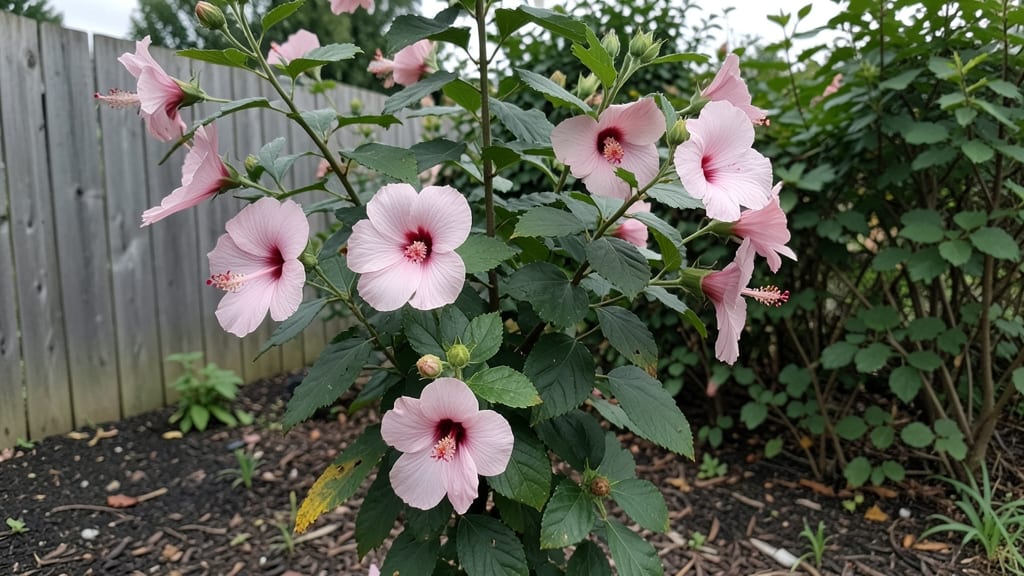
Creating a flower of hope garden in the Pacific Northwest isn’t just about planting—it’s about crafting a living sanctuary where resilience blooms alongside the rain.
I learned this the hard way after my first garden failed under too much shade and soggy soil, but the right perennials thrive here, their roots running deep through damp winters and their blooms lighting up gray days.
The key is choosing plants that symbolize renewal—sunflowers reaching for the sun, daisies with their cheerful faces, or native wildflowers like Oregon sunshine that dance in the breeze. These aren’t just flowers; they’re quiet reminders that growth happens even when the world feels heavy.
Pair them with soft blues and purples for a calming palette, or let bold reds and yellows shout joy in every season.
Imagine stepping into a space where lavender’s fragrance lingers in the air, where every path leads to a new burst of color, and where even the smallest blooms feel like a promise.
This garden becomes more than dirt and stems—it’s a place to pause, breathe, and remember that hope isn’t fragile. It’s built into the roots of the earth itself.
Whether you’re designing a memorial garden, a healing space, or simply a corner of your yard meant to lift spirits, the Pacific Northwest’s native perennials are your allies. They ask for little but give so much—beauty, solace, and the quiet strength of nature’s persistence. Let’s make it yours.
📚 In This Guide
- What you need
- Instructions
- Tips and common mistakes
- Wrapping up and next steps
What you need
- ● Seeds or young plants: Lavandula stoechas (Spanish Lavender) or Erigeron speciosus (Pacific Northwest native fleabane) – 3–5 plants or seed packets (for 10–15 plants).
- ● Well-draining soil: Mix 1 part native soil with 1 part compost and 1 part perlite or coarse sand (1 cubic yard for a 4’x4’ bed).
- ● Organic fertilizer: Slow-release 10-10-10 or compost tea (1 lb or 1 gallon per 10 sq ft).
- ● Mulch: 2–3 inches of gravel or wood chips (to retain moisture and deter weeds).
- ● Garden trowel or shovel (for planting/seeding).
- ● Pruning shears (for shaping and deadheading).
- ○ Watering can or hose with a gentle spray nozzle (drip irrigation is optional but ideal).
- ● Gloves (to protect hands from thorns or rough soil).
- ○ pH testing kit (optional: ensure soil pH is 6.0–7.5 for lavender; 5.0–6.5 for fleabane).
- ● Epsom salt (1 tbsp per plant, monthly, for magnesium boost).
- ● Companion plants: Thyme, rosemary, or catmint (to attract pollinators and deter pests).
- ● Decorative stones or borders (for a polished, low-maintenance look).
- ● Dried flower preservative (if harvesting blooms for crafts or bouquets).
How to cultivate Pacific Northwest resilient perennials
These hardy plants thrive with minimal fuss and bring joy year after year.
Select the Right Species for Your Climate
Choose perennials proven to thrive in the Pacific Northwest's cool, wet winters and mild summers. Native plants like sword fern, salal, and Oregon grape require almost no maintenance once established. For color, Pacific coast iris, penstemon, and lupine deliver stunning displays with minimal care.
Check your specific microclimate—coastal areas get more rain and cooler temperatures, while inland zones have drier summers. I always verify a plant’s native range matches my garden zone before planting. This ensures they’ll handle your soil type and water availability without stress.
Prepare the Soil for Long-Term Success
Test your soil’s pH and amend as needed—most Pacific Northwest natives prefer acidic to neutral soil (pH 5.5-7.0). Work in 2-3 inches of compost into the top 12 inches of soil to improve drainage and fertility. These plants hate soggy roots, so avoid heavy clay by mixing in sand or perlite if your soil feels dense.
Dig a hole twice as wide as the plant’s root ball but only as deep as the container it came in. Loosen the sides of the hole with a fork to encourage root spread. The goal is to create a welcoming environment where roots can establish quickly without competition.
Plant with Proper Spacing for Airflow
Follow spacing guidelines on the plant tag—crowding invites disease and weakens growth. For example, Pacific iris needs 18-24 inches between plants, while sword fern can handle 12-18 inches. Dig the hole, place the plant so the top of the root ball sits just below soil level, and backfill with native soil.
Water deeply right after planting to eliminate air pockets. I like to add a 1-inch layer of mulch (like cedar chips) around the base to retain moisture and suppress weeds. Keep mulch 2-3 inches away from stems to prevent rot. This step is crucial—proper spacing and mulching cut maintenance by 70% later.
Water Deeply but Infrequently
Newly planted perennials need 1 inch of water per week for the first two growing seasons. After that, most Pacific Northwest natives handle natural rainfall once established. Water deeply 2-3 times per week during dry spells in summer, focusing on the root zone—not the leaves.
You’ll know you’re doing it right when the soil feels moist 2-3 inches down but not soggy. Overwatering is the #1 killer of perennials here. Let the top 1 inch dry out between waterings once plants are mature. This encourages deep root growth and drought resilience.
Prune Strategically for Longevity
Deadhead spent blooms in late spring to encourage more flowers, but avoid cutting back woody stems until early spring. For grasses like Pacific reed grass, I cut back dead foliage in late winter before new growth appears. Never remove more than 1/3 of the plant at once—this stresses perennials and slows regrowth.
Watch for yellowing leaves—this often signals overwatering or poor drainage. If you see it, reduce watering and check soil drainage. These plants are tough, but they’ll tell you when something’s off. A little pruning now means decades of carefree blooms—that’s the Pacific Northwest magic.
Tips & tricks for Pacific Northwest perennial success
These simple strategies will help your resilient perennials thrive with minimal effort—just like the plants that inspired this blueprint.
Native Plant Pairing: In Step 1, when selecting species, consider companion planting native perennials together. Sword fern pairs beautifully with Oregon grape, while Pacific coast iris thrives near salal. This creates natural ecosystems that support each other—just like the Pacific Northwest's own landscapes. The right combinations reduce pests and diseases naturally.
Soil Prep Shortcut: For Step 2, if you're working with heavy clay soil, mix in equal parts sand and perlite—this creates tiny air pockets that improve drainage without changing the soil's natural structure. I've found that adding a handful of worm castings to the compost mix gives an extra nutrient boost that these hardy plants appreciate. This step makes all the difference for plants like salal that hate soggy roots.
Planting Depth Check: When following Step 3's spacing guidelines, use a small stick or pencil to mark the planting depth before placing your plant. The top of the root ball should sit just below soil level—this prevents crown rot while ensuring roots have room to spread. I've learned this the hard way after burying plants too deep and watching them struggle to emerge.
Watering Wisdom: For Step 4's watering routine, use a rain gauge or tuna can to measure your weekly inch of water. This helps you track exactly how much your plants are getting, especially during those dry summer spells. I've noticed that watering in the early morning (before 9 AM) reduces evaporation and fungal diseases—it's a small habit that makes a big difference in plant health.
Pro Tips for Flower Of Hope
- These simple strategies will help your resilient perennials thrive with minimal effort—just like the plants that inspired this blueprint.
- Native Plant Pairing: In Step 1, when selecting species, consider companion planting native perennials together.
- Soil Prep Shortcut: For Step 2, if you're working with heavy clay soil, mix in equal parts sand and perlite—this creates tiny air pockets that improve drainage without changing the soil's natural structure.
Frequently asked questions
about the Flower of Hope—the Pacific Northwest’s beloved resilient perennial—can help you grow with confidence! Here are answers to the most common queries to keep your garden thriving.What’s the best time to plant Flower of Hope in the PNW?
Plant in early spring (March–April) or fall (September–October) for optimal root establishment. Avoid summer heatwaves—these delicate blooms prefer cooler soil temps (60–70°F). Pro tip: If transplanting, water deeply for 2 weeks post-planting to reduce shock.
How cold-hardy is Flower of Hope?
This perennial thrives in USDA Zones 5–9, surviving winters down to 10°F with mulch. In snowy PNW winters, its woody stems act as natural insulation. Troubleshooting: If leaves brown in winter, it’s normal—new growth emerges in spring!
Can I grow Flower of Hope in containers?
Yes! Use a 12-inch+ pot with drainage holes and well-draining soil. Repot every 2–3 years to refresh nutrients. Key tip: Place containers in partial shade to mimic forest understory conditions.
Why aren’t my Flower of Hope blooms lasting long?
Short-lived blooms often signal overwatering or poor drainage. Ensure soil dries slightly between waterings, and deadhead spent flowers to encourage reblooming. Bonus: Hummingbirds adore these blooms—plant near windows for a show!
Are there drought-tolerant alternatives?
If water conservation is a priority, consider Lavender (Zone 5–9) or Sedum (Zone 3–10). Both thrive in PNW’s dry summers with minimal care. Flower of Hope still wins for its vibrant color and pollinator appeal!
Wrapping up and next steps
The Pacific Northwest’s "Flower of Hope" isn’t just a resilient perennial—it’s a symbol of renewal, adaptability, and quiet strength. Whether you’re a seasoned gardener or just starting, this plant reminds us that even in challenging climates, beauty and hope can thrive with care and patience.
Now that you’re armed with the how-to, why not take the next step? Plant a few seeds this season and watch as your garden—and your spirit—bloom brighter than ever. 🌱✨ Your green thumb (and heart) will thank you!