Landscaping
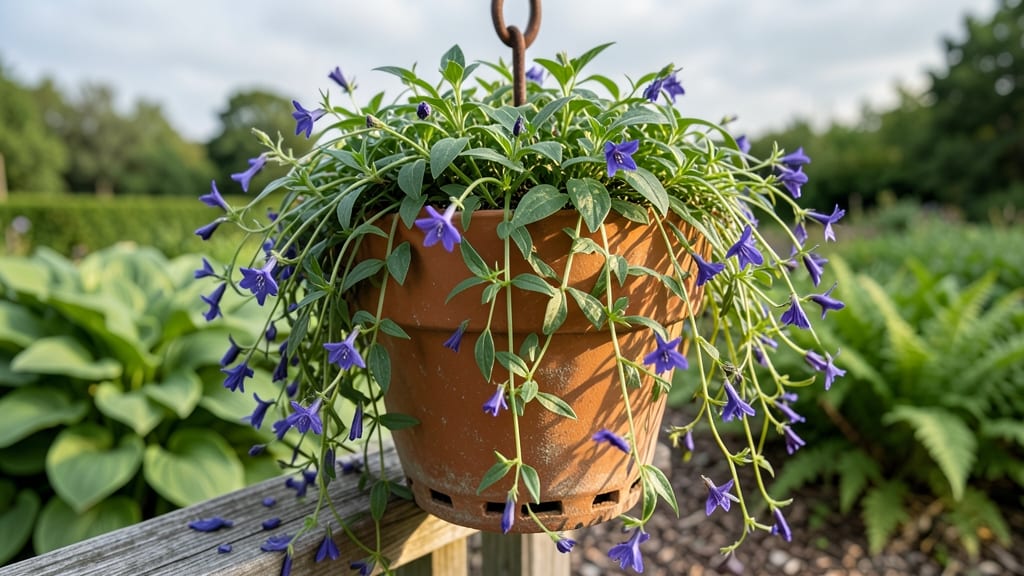
A flower box hanging on a fence transforms blank walls into a lush, fragrant vertical garden that steals the show—especially when you choose the right plants and placement. 🌿 I used to think fences were just for privacy, but now they’re my go-to for adding color, texture, and even edible flowers without taking up ground space.
The key is matching plants to sunlight and your fence’s height. Shade-tolerant ferns and impatiens thrive in dappled light, while sun-loving petunias and geraniums need 6+ hours of direct sun.
A 12-inch-deep box gives roots room to breathe, and adding a drainage layer (like landscape fabric and pebbles) keeps roots happy and prevents soggy soil.
By summer’s peak, you’ll have a cascading display of blooms that draw hummingbirds and butterflies—neighbor-jealousy levels guaranteed. The best part? Swap out plants seasonally: cool-weather pansies in spring, heat-loving zinnias in summer, and ornamental kale in fall for year-round interest.
Whether your fence is wood, chain-link, or metal, these boxes adapt easily. Start small with one box, then expand as your confidence (and green thumb) grows. The only limit is your creativity!
📚 In This Guide
- What you need
- Instructions
- Tips and common mistakes
- Wrapping up and next steps
What you need
- ● Flower Box: 1 pre-made wooden, metal, or plastic hanging flower box (12"–24" wide, 6"–12" deep, and 3"–6" tall)
- ● OR untreated wood (1x8 or 1x10 board, 2–3 ft long) for a custom build
- ● Mounting Hardware: 2–4 heavy-duty blank">S-hooks or blank">eyescrews (size #10 or #12)
- ● 2–4 blank">lag bolts or blank">deck screws (3"–4" long)
- ● 1 blank">fence hook or blank">L-bracket (if attaching to a chain-link fence)
- ● Potting Mix: 1–2 bags of high-quality potting soil (lightweight, well-draining; avoid garden soil)
- ○ Optional: Perlite or vermiculite (1 part per 4 parts soil) for extra drainage
- ● Plants: 3–5 compact, trailing, or bushy plants (e.g., petunias, ferns, ivy, or succulents)
- ● Pro tip: Choose plants with similar sunlight/water needs!
- ● Drill or hand screwdriver
- ● Measuring tape & pencil
- ● Level (to ensure even hanging)
- ● Scissors or pruners (for trimming plants)
- ○ Optional: Stain or paint (for wooden boxes), waterproof sealant, or decorative liner
- ● A secure fence (wood, vinyl, or metal; chain-link may need extra reinforcement)
- ● Access to sunlight (check your plants’ light requirements)
- ● Basic DIY skills (or a friend to help with heavy lifting!)
Step-by-step instructions for creating a stunning hanging flower box
Here's how to transform a simple fence into a vertical garden oasis with minimal space and maximum impact.
🪴 Step 1: Select and Prepare the Hanging Planter
Choose a sturdy hanging flower box with drainage holes—plastic or wood—measuring at least 12 inches deep to accommodate root growth. I prefer cedar or redwood for natural beauty and rot resistance, but plastic works well for beginners. Suspend it from your fence using galvanized metal brackets or heavy-duty rope attached to L-brackets, ensuring it hangs level. Test the stability by gently shaking it—if it wobbles, reinforce the mounting points.
Line the bottom with landscape fabric to prevent soil from escaping through the drainage holes while allowing excess water to pass through. This also creates a barrier against pests like slugs that might try to climb in. Add a 1-inch layer of gravel on top of the fabric to improve drainage further—this prevents soggy roots, which are a common killer of hanging plants.
🌱 Step 2: Fill With the Right Soil and Plant Selection
Use a lightweight potting mix designed for containers—never garden soil, as it compacts and suffocates roots in confined spaces. Mix in perlite or vermiculite (about 20% of the total volume) to improve aeration and drainage. For a 12-inch-deep box, you’ll need roughly 3-4 gallons of this blend. Fill the box to 1 inch below the rim, leaving room for mulch and watering.
Select plants that thrive in hanging conditions: trailing varieties like petunias, lobelia, or fuchsias for cascading color, paired with upright fillers like geraniums or snapdragons. Avoid heavy foliage plants—they’ll weigh down the box over time. I like to plant three trailing plants around the edges and two upright varieties in the center for balanced growth. Space them 4-6 inches apart to allow airflow and prevent disease.
💧 Step 3: Water and Maintain for Long-Lasting Beauty
Water thoroughly immediately after planting to settle the soil around roots, then check daily during the first 7-10 days. Hanging planters dry out faster than ground-level containers, so aim to keep the soil evenly moist but not soggy. You’ll know it’s time to water when the top inch of soil feels dry to the touch. Use a spray nozzle to water gently—direct streams can dislodge soil and disturb roots.
Fertilize every 2-3 weeks with a balanced liquid fertilizer (10-10-10 or 20-20-20) diluted to half-strength. Over-fertilizing burns delicate roots, so always follow package instructions. Deadhead spent blooms weekly to encourage continuous flowering—pinch off faded flowers with your fingers or use clean pruners. This simple step keeps your display looking fresh and prolongs the blooming season by 3-4 weeks.
☀️ Step 4: Position for Optimal Sunlight and Protection
Most flowering plants need 6+ hours of direct sunlight daily, but avoid hot afternoon sun in extreme climates—it can scorch petals and dry out soil too quickly. A morning sun to partial afternoon shade spot works best for many varieties. If your fence faces west, consider lightweight shade cloth (30-50% coverage) during peak summer heat to protect delicate blooms. Observe your plants for wilting or yellowing leaves—these are signs they’re getting too much or too little light.
Protect your hanging garden from strong winds by positioning it near the fence but not in a drafty gap. A sudden gust can snap stems or dislodge the planter entirely. If you live in a windy area, secure the box with additional ties or choose a sheltered corner of your fence. In cooler climates, bring tender annuals indoors or use insulated planters to extend the growing season by 2-3 months in fall.
✂️ Step 5: Prune and Refresh Seasonally
By mid-summer, trailing plants may become leggy or overgrown. Prune back one-third of the longest stems to encourage bushier growth and more flowers. Use clean, sharp pruners and cut just above a leaf node—this is where new growth will sprout. For woody-stemmed plants like geraniums, trim back any dead or yellowing leaves to redirect energy to healthy growth. This rejuvenation step keeps your display looking full and vibrant through the season.
At the first sign of frost in fall, remove annuals and compost them (unless they’re perennials). Clean the box thoroughly with soapy water to remove debris and pests, then store it in a dry, protected spot over winter. In spring, refresh the soil with new potting mix and a slow-release fertilizer before replanting. This simple seasonal reset ensures your hanging garden starts fresh every year with minimal effort.
Tips & tricks for perfect hanging flower boxes
A few clever tricks will help your vertical garden thrive and transform your fence into a stunning focal point.
Material Matters: If you choose wood for your hanging flower box, treat it with a natural wood preservative before planting. This prevents rot and extends the life of your planter, especially if it's exposed to moisture. Cedar and redwood are naturally resistant, but even these benefit from a protective seal. For plastic boxes, ensure they have proper drainage holes—many budget options skimp on this detail, leading to soggy roots and plant failure.
Soil Strategy: The lightweight potting mix you use should be fluffy enough to drain quickly but retain enough moisture for roots. I like to add a handful of worm castings to the mix—it boosts nutrient availability without overpowering delicate plants. For extra insurance against compaction, mix in an additional 10% perlite beyond the recommended 20%. This creates air pockets that prevent the soil from becoming dense over time, which is especially important in confined hanging spaces.
Plant Placement Pro: When arranging your plants, think about their mature size and growth habits. Place the fastest-growing trailing varieties on the outer edges where they can spill over dramatically, while slower-growing plants go toward the center. This creates a balanced, cascading effect that looks intentional. For example, place fuchsias on the outside—they grow quickly and create lush, trailing foliage—while snapdragons in the center provide upright structure and height contrast.
Seasonal Prep: Before storing your flower box for winter, give it a thorough cleaning and inspect the drainage holes. Remove any debris that might clog them, as this can lead to waterlogging during spring planting. If you're reusing the same soil, mix in fresh compost or slow-release fertilizer to replenish nutrients. This simple step ensures your plants get a strong start next season without needing extra fertilizer right away.
Pro Tips for Flower Box Hanging On Fence
- A few clever tricks will help your vertical garden thrive and transform your fence into a stunning focal point.
- Material Matters: If you choose wood for your hanging flower box, treat it with a natural wood preservative before pl...
- Soil Strategy: The lightweight potting mix you use should be fluffy enough to drain quickly but retain enough moistur...
Frequently asked questions
Got questions about hanging flower boxes on fences?
You’re not alone! Here are answers to the most common concerns to help you get started with confidence.
What’s the best type of fence for hanging flower boxes?
A sturdy fence made of wood, metal, or vinyl is ideal—just ensure it can support the weight (especially after watering!). Avoid chain-link or weak lattice unless reinforced with heavy-duty brackets. For extra security, use L-brackets or U-bolts for added grip.
How much weight can a fence hold for hanging planters?
Most wooden or metal fences can safely hold 10–20 lbs per square foot, but test your fence first by hanging a heavy object (like a gallon of water) for 24 hours. For lightweight options, choose self-watering or fabric planters (5–10 lbs each). Overloading risks sagging or damage—so space out boxes!
When is the best time to hang a flower box on a fence?
Spring (after last frost) or early fall is perfect—soil warms up, and plants thrive without summer heat stress. Avoid winter (freezing can crack containers) or peak summer (intense sun may dry out roots quickly). Pro tip: Pre-drill holes in your fence to prevent splintering or rusting!
Can I use a hanging flower box on a chain-link fence?
Yes, but with extra precautions! Chain-link fences are less stable, so use heavy-duty S-hooks or carabiners and secure boxes to two adjacent links (not just one). For a cleaner look, wrap the fence with coir or burlap to protect plants from sharp edges.
Why is my hanging flower box sagging or leaning?
Sagging usually means uneven weight distribution, weak brackets, or root growth. Check for:
- Loose screws/nails—tighten or replace hardware.
- Overwatered soil—let it dry slightly to reduce weight.
- Uneven hanging—use a level to adjust placement.
- Root-bound plants—trim roots or repot if crowded.
Wrapping up and next steps
Transforming your small space with a flower box hanging on fence isn’t just about aesthetics—it’s a burst of creativity and nature’s charm at your fingertips! 🌸 Whether you’re a gardening pro or a beginner, these vertical gardens bring color, life, and functionality to even the tiniest yards.
The key? Start small, choose the right plants, and let your imagination bloom.
Ready to take the next step? Grab your tools, pick your favorite blooms, and turn that fence into a thriving green masterpiece! Your outdoor space—and your neighbors—will thank you. 🌿✨