
Companion Plants
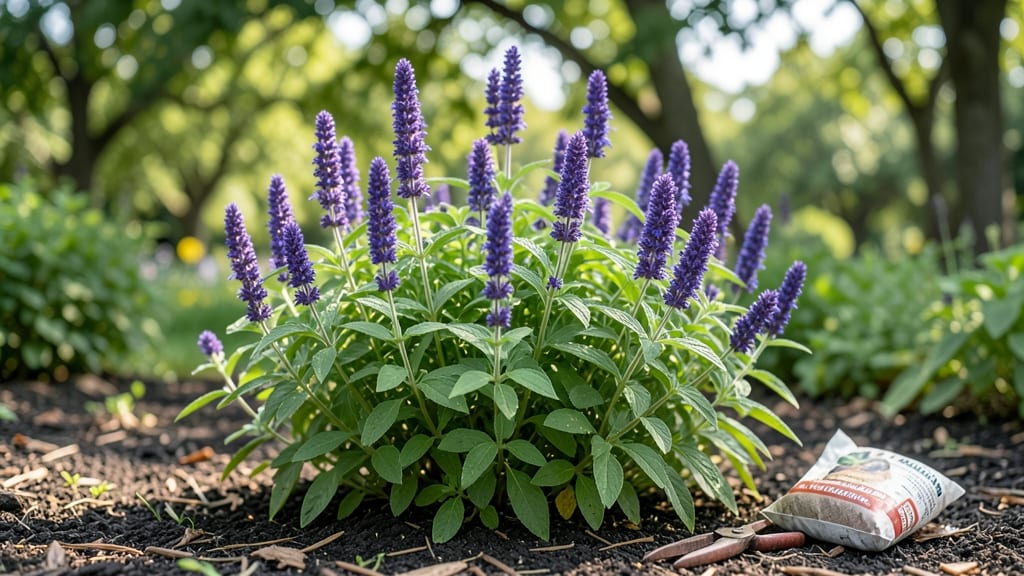
Creating a frost-resistant flower bed in the Pacific Northwest means choosing plants that thrive through damp winters and burst into color when spring arrives. 🌿 I learned this the hard way—my first bed looked stunning in summer but turned into a soggy mess by December.
The key is selecting native perennials and hardy annuals that handle rain, chill, and even light frost while still delivering that "wow" factor.
Start with three layers of height: tall grasses like fountain grass or sedum (3-4 feet) at the back, mid-height perennials such as heuchera or astilbe (1-2 feet) in the middle, and low-growing ground covers like creeping thyme or ajuga (under 1 foot) at the front.
This creates depth and keeps the bed looking full year-round. For color, mix evergreen foliage (like Oregon grape or salal) with seasonal bloomers like Pacific coast iris and western columbine.
You’ll end up with a bed that stays vibrant even in winter—think deep greens, burgundy stems, and the occasional surprise bloom from hellebores or winter aconite. The best part? These plants attract pollinators early in the season and require minimal fuss once established.
Plus, they’ll cut your spring cleanup time by half because they’re built to handle the weather.
Works for sunny slopes, shady corners, or even rain gardens—just adjust moisture-loving plants like lungwort or Japanese forest grass for wetter spots. Let’s design a bed that outlasts the rain!
📚 In This Guide
- What you need
- Instructions
- Tips and common mistakes
- Wrapping up and next steps
What you need
- ● Soil: 2–3 cubic yards of well-draining, organic-rich soil (mix garden soil with compost for best results).
- ● Mulch: 2–3 bags of cedar chips or pine bark (3–4 inches deep) to insulate roots.
- ● Frost-resistant plants: 10–15 native or hybrid perennials (e.g., Heuchera, Sedum, Lupine, Salvia, or Hellebore).
- ● Fertilizer: 1 bag of slow-release, balanced fertilizer (10-10-10 or organic options like fish emulsion).
- ○ Watering system: Drip irrigation kit or soaker hoses (optional but recommended for consistency).
- ● Garden shovel or spade (for digging).
- ● Garden fork (to aerate soil).
- ● Pruners (sharp, sterilized for cutting plants).
- ● Wheelbarrow (for hauling soil/mulch).
- ● Gloves (heavy-duty for protection).
- ● Measuring tape (to plan spacing).
- ● Knee pads (because gardening is hard on the knees!).
- ● Edging materials (brick, stone, or metal) to define your flower bed.
- ● Plant markers (to label varieties).
- ● Compost tea or mycorrhizal fungi (for a boost in root health).
- ● Rain gauge (to monitor watering needs).
- ● Solar-powered lights (for nighttime charm).
Step-by-Step guide to designing a Pacific Northwest frost-resistant flower bed
Here's how to create a vibrant, hardy flower bed that thrives through PNW winters.
🌱 Step 1: Select Frost-Resistant Plant Varieties
Choose plants proven to survive Zone 7-9 winters, like heuchera (coral bells), hosta, lupine, sword fern, and salmonberry. These thrive in 40-60°F average temperatures and tolerate occasional light frosts. I always check the USDA Plant Hardiness Zone Map to confirm suitability for my specific microclimate.
Group plants by height—tall varieties like delphinium or hollyhock (4-6 feet) go in the back, medium (2-3 feet) like columbine or foxglove in the middle, and low-spreading types like heuchera or ajuga (1 foot or less) in the front. This creates natural layers that prevent winter winds from damaging tender stems.
🪴 Step 2: Prepare the Soil for Cold-Resilient Growth
Test your soil's drainage first—PNW flower beds often suffer from compacted, clay-heavy soil. Amend with 3-4 inches of compost and 1-2 inches of coarse sand to improve aeration. I mix these into the top 12 inches of soil using a broadfork to avoid compacting the amended layer.
For acidic-loving plants like heather or rhododendron, add sulfur or peat moss to lower the pH to 5.0-6.0. For alkaline-tolerant varieties like lupine or yarrow, a sprinkle of wood ash raises pH slightly. Always water the amended soil deeply to help nutrients settle.
☀️ Step 3: Plant in Late Summer or Early Fall
Plant perennials 6-8 weeks before your first frost date—this gives roots time to establish before winter. Dig holes twice as wide as the root ball but only as deep. Place each plant so the top of the root ball sits level with the surrounding soil—burying too deep suffocates roots, while planting too high leaves them vulnerable to drying winds.
Space plants according to their mature size: 2-3 feet apart for medium varieties, 1-2 feet for low growers, and 3-4 feet for tall back-row plants. Water immediately after planting to eliminate air pockets, then mulch with 3-4 inches of shredded bark or wood chips to insulate roots through winter.
✂️ Step 4: Winterize and Maintain Through the Season
After the first hard frost, cut back dead or damaged foliage but leave seed heads on plants like coneflower or black-eyed Susan—they provide winter interest and shelter for beneficial insects. For tender perennials like canna lilies, mound 6-8 inches of straw or leaves over the crown to protect against freezing.
Reduce watering in fall but keep soil slightly moist until the ground freezes. In early spring, remove winter mulch and add a balanced fertilizer (10-10-10) when new growth appears. Watch for mold or rot—if you see it, improve airflow by thinning crowded plants immediately.
🌿 Step 5: Spring Renewal and Season-Long Care
As temperatures rise above 50°F, fertilize again with a slow-release granular fertilizer to encourage strong regrowth. Deadhead spent blooms on perennials like bee balm or shasta daisy to redirect energy into new flowers. I always prune back overly leggy growth in early spring to encourage bushier, more compact plants.
Monitor for pests like slugs or aphids—PNW flower beds attract them after wet winters. Set out beer traps for slugs and spray neem oil on aphid-infested leaves. Rotate plants every 3-5 years to prevent soil-borne diseases from building up in one spot.
Tips & tricks for perfect Pacific Northwest flower beds
Creating a thriving flower bed in the Pacific Northwest takes a few key tricks to beat the climate challenges. Here's what I've learned from years of gardening in this region.
Layering for Wind Protection: The height grouping in Step 1 isn't just about looks—it's a wind barrier system. Tall plants like delphinium (4-6 feet) act as windbreaks for your shorter varieties. I've seen firsthand how this simple layering prevents winter winds from snapping tender stems. For extra protection in exposed areas, add a row of evergreen shrubs like Oregon grapeholly on the windward side.
Soil Testing is Non-Negotiable: Before amending your soil in Step 2, grab a soil test kit from your local extension office. PNW soils vary wildly—what works for my acidic heather bed in Seattle failed completely for my friend's lupine garden in Portland. The test will tell you exactly how much sulfur or wood ash you need, saving you from over-amending. I always test in early spring before planting season begins.
Timing is Everything for Fall Planting: That 6-8 week window before first frost in Step 3 is crucial. I learned this the hard way when my hostas struggled after planting too late. Use your local frost date as your guide—check the Old Farmer's Almanac for your specific zip code. Pro tip: Plant in late August for most PNW regions, giving roots time to establish before winter chill sets in.
Mulch Like Your Garden Depends on It: The 3-4 inches of mulch in Step 3 isn't just decoration—it's insulation. I've seen mulch save entire beds from freeze-thaw cycles that would otherwise heave roots out of the ground. For extra protection, top with an additional 2-3 inches of straw before hard frosts hit. This creates a cozy blanket that maintains consistent soil temperatures through winter.
Pro Tips for Flower Bed Plants
- Creating a thriving flower bed in the Pacific Northwest takes a few key tricks to beat the climate challenges.
- Layering for Wind Protection: The height grouping in Step 1 isn't just about looks—it's a wind barrier system.
- Soil Testing is Non-Negotiable: Before amending your soil in Step 2, grab a soil test kit from your local extension office.
Frequently asked questions
What are the best frost-resistant plants for a Pacific Northwest flower bed?
The PNW’s cool, damp climate thrives with hardy perennials like heuchera (coral bells), hebe, saxifraga, and lupine. For color, try geraniums, salvia, or lavender. Bulbs like daffodils and tulips also return yearly with minimal fuss!
When is the best time to plant a flower bed in the Pacific Northwest?
For spring blooms, plant cool-season annuals (like pansies) in early spring (March-April) or perennials in early fall (September-October). This gives roots time to establish before winter. Avoid planting tender annuals until after the last frost (typically May).
How do I prepare the soil for a flower bed in a rainy climate?
PNW’s soggy winters can lead to poor drainage. Amend clay-heavy soil with compost and sand (or perlite) to improve aeration. Add a 2-3 inch mulch layer (cedar bark or straw) to retain moisture and suppress weeds. Test soil pH—most flowers prefer 6.0-7.0.
What are some low-maintenance alternatives to high-water plants?
Drought-tolerant PNW natives like sword ferns, Oregon grape, and yarrow thrive with minimal water. Succulents (e.g., sedum) and lavender also need little care. Group plants with similar water needs to simplify irrigation—drip systems work great for efficiency!
Why are my frost-resistant plants dying despite the PNW climate?
Check for overwatering (root rot is common in wet climates) or poor drainage. Ensure plants get 6+ hours of sunlight—shady spots may stunt growth. Pest pressure (like slugs or vine weevils) can also harm plants. Use organic slug bait or row covers if needed.
Can I mix frost-hardy annuals with perennials in one bed?
Annuals (like pansies or calendula) add seasonal color, while perennials (e.g., hostas) provide structure. Just place short-lived annuals in front and taller perennials in back. Rotate annuals yearly to refresh the bed without replanting perennials.
Wrapping up and next steps
Transforming your Pacific Northwest flower bed into a frost-resistant, vibrant haven is easier than you think! 🌸 By selecting the right plants—like heuchera, salvia, or hellebore—you’re not just adding beauty; you’re creating a low-maintenance, resilient garden that thrives year-round.
Whether you’re a seasoned gardener or just starting, these companion plants work together to boost growth and deter pests naturally.
Now that you’re armed with the perfect color blueprint, why not take the next step? Sketch your design, grab your tools, and start planting! Your future garden is waiting—let’s make it bloom. 🌿