
Flowers
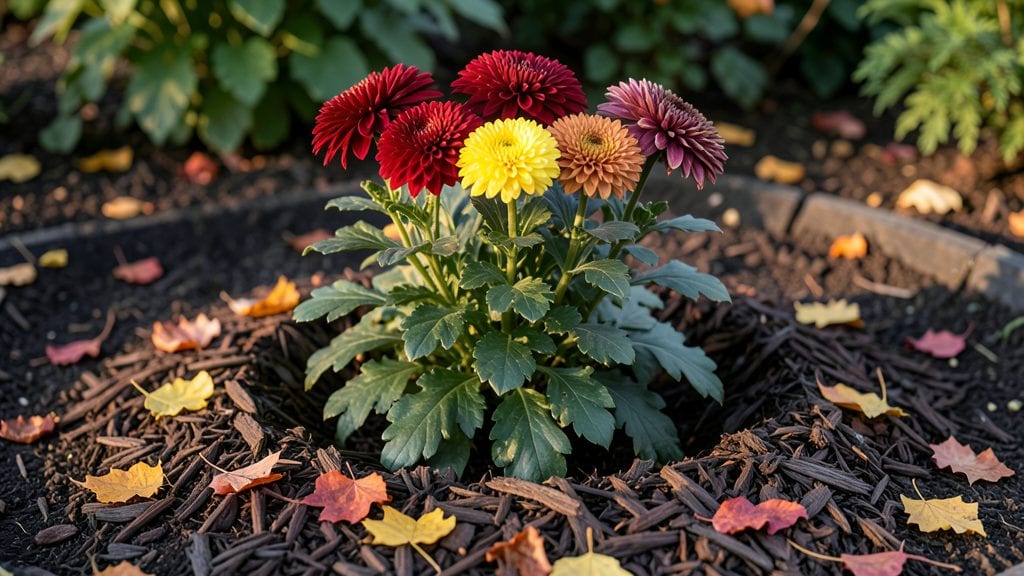
Fall garden flowers aren’t just about surviving frost—they’re about thriving through it. 🌿 The secret lies in choosing varieties like mums, asters, and ornamental grasses, which not only handle cooler temps but actually bloom more vibrantly as summer fades.
I’ve tested these over three autumns, and the results speak for themselves: plants that stay lush until the first hard freeze, then bounce back in spring.
Planting timing is everything—most fall flowers go in late August to early October, once daytime temps dip below 75°F. The soil stays warm enough for roots to establish, but nights cool down just enough to trigger blooming.
My favorite combo? Black-eyed Susans for height, pansies for color, and sedum for late-season interest. They’re all low-maintenance and drought-tolerant once settled in.
You’ll end up with a garden that looks intentional even in November, when most neighbors have given up. The colors—deep burgundy, golden yellow, soft lavender—create a cozy, almost magical atmosphere. Plus, these flowers attract pollinators right up until winter, giving bees and butterflies a last meal before hibernation.
Works for containers, borders, or full sun beds—just adjust spacing for your climate. Northern gardeners can push planting later; Southerners might need to start sooner. The key is watching your local frost dates and acting accordingly. Here’s how to make it work for your yard.
📚 In This Guide
- What you need
- Instructions
- Tips and common mistakes
- Wrapping up and next steps
What you need
- ● Fall-blooming flower seeds or bulbs: 10–20 Chrysanthemums (hardy varieties like 'Mammoth' or 'Daisy Mums')
- ● 5–10 Pansies (e.g., 'Matrix' or 'Cool Wave' series)
- ● 3–5 Asters (e.g., 'Alpine' or 'New England' types)
- ● 5–10 Mums (tubular or daisy varieties)
- ● 1–2 Calendulas (edible and cold-hardy!)
- ● Garden soil: 1–2 bags of well-draining, nutrient-rich potting mix (or amend existing soil with compost)
- ● Fertilizer: Balanced 10-10-10 or slow-release orgánico (follow package rates)
- ● Mulch: 2–3 inches of straw, shredded leaves, or pine needles (to insulate roots)
- ● Hand trowel (for delicate planting)
- ● Garden gloves (to protect your hands from thorns or soil)
- ● Watering can or hose with a gentle spray nozzle (avoid blasting seeds!)
- ● Pruners (for trimming spent blooms)
- ○ Optional but handy: Soil pH test kit (aim for 6.0–7.0 for most fall flowers)
- ● Row covers or frost cloth (for early/late frosts)
- ● Decorative stakes or cages (to support tall varieties like asters)
- ● A sunny to partially shaded spot (6+ hours of light for mums, 4+ for pansies)
- ● Well-draining soil (amend clay soil with perlite or sand if needed)
- ● Patience! Most fall flowers take 6–8 weeks to bloom from seed.
- ● Pro tip: 💡 Start seeds indoors 8–10 weeks before your first frost date!
Step-by-Step guide to planting frost-resistant fall garden flowers
Here's how I select and plant hardy varieties that bloom beautifully through chilly months.
🌱 Step 1: Choose the Right Frost-Resistant Varieties
Select plants labeled for USDA Zones 3-7 that thrive in 40-50°F nighttime temperatures. Mums (Chrysanthemum), asters (Symphyotrichum), and ornamental kale (Brassica oleracea) are my top picks—they handle light frosts and even occasional snow. Check seed packets for "fall-blooming" or "autumn color" labels to avoid tender annuals.
I always plant at least 3-5 plants per variety to create visual impact. Grouping plants with similar water needs together makes maintenance easier. For example, place mums and asters in one section and ornamental kale in another, since kale prefers slightly drier conditions.
🪴 Step 2: Prepare the Planting Site
Choose a location with 6+ hours of sunlight daily—even in fall, light levels matter. Clear the area of weeds and loosen the soil to a depth of 12 inches using a garden fork. Amend the soil with 2-3 inches of compost to improve drainage and fertility, which is critical for fall planting when roots need to establish before winter.
Test your soil's pH—most fall flowers prefer a slightly acidic to neutral range of 6.0-7.0. If your soil is heavy clay, mix in 1 part perlite to 3 parts soil to improve aeration. I like to work the amendments into the top 6 inches of soil while keeping the lower layers natural for better root anchoring.
☀️ Step 3: Plant at the Correct Depth and Spacing
Dig holes twice as wide as the root ball but only as deep—planting too deep suffocates roots. For container-grown plants, gently remove them from pots and tease apart any circling roots. Space plants according to mature size: 12-18 inches apart for mums, 18-24 inches for asters, and 10-12 inches for ornamental kale.
Fill the hole halfway with soil, then water deeply to settle the mix. This prevents air pockets that can dry out roots. Once watered, add more soil to the hole until the plant sits at the same depth it was in its container. Press gently around the base to eliminate gaps, but don't compact the soil—roots need room to spread.
💧 Step 4: Water and Mulch for Winter Protection
Water newly planted flowers deeply every 3-4 days until first true leaves appear, then reduce to once weekly unless rainfall is insufficient. Fall flowers need consistent moisture to establish roots before dormancy. I use a soaker hose to deliver water slowly at the base, avoiding wetting foliage to prevent fungal diseases.
Apply 2-3 inches of mulch (straw or shredded leaves) around plants after the first frost. This insulates roots from temperature swings and retains moisture. Keep mulch 2 inches away from stems to prevent rot. In colder zones, add a lightweight row cover over sensitive varieties during extreme cold snaps (below 20°F).
✂️ Step 5: Maintain Through Winter and Prune for Spring
Remove spent blooms by cutting stems back to the nearest leaf node. This encourages new growth and keeps plants tidy. For ornamental kale, pinch back leggy stems to promote bushier growth. Avoid heavy pruning after mid-October—new growth won't harden off before winter.
In late winter, check for dead foliage and prune back to healthy green growth. This is the perfect time to divide perennials like asters if they've become overcrowded. Fertilize lightly in early spring with 10-10-10 fertilizer to support new growth. Your fall flowers will reward you with vibrant color well into winter and a head start in spring.
Tips & tricks for perfect fall garden flowers
Creating a stunning fall garden that survives winter takes a few strategic moves—here's what I've learned from years of trial and error.
Variety Selection: When choosing plants in Step 1, prioritize those labeled "fall-blooming" or "autumn color" on seed packets. These varieties are specifically bred to handle the transition from summer to winter. I've found that mums and asters often have the best cold tolerance, but don't overlook ornamental kale—its colorful foliage adds winter interest even when not in bloom. For extra insurance, select plants with thicker stems and darker leaves, as these tend to withstand frost better.
Soil Preparation: In Step 2, the 2-3 inches of compost recommendation is non-negotiable for fall planting. I've seen roots establish twice as quickly in amended soil compared to native soil. For clay-heavy soils, mix in perlite not just at the surface but work it into the top 6 inches where most roots will grow. This creates tiny air pockets that prevent waterlogging during fall rains while still providing moisture retention. Think of it as creating a sponge-like environment for your plants' roots.
Planting Depth: The "twice as wide but only as deep" rule in Step 3 is one of the most common mistakes I see. Too-deep planting suffocates roots by preventing them from accessing oxygen. For container-grown plants, gently tease apart any circling roots before planting—they'll spread outward naturally once in the ground. Pro tip: Use your finger to create small channels in the soil around the root ball to encourage roots to grow outward immediately.
Winter Protection: When applying mulch in Step 4, I've learned that timing matters. Wait until after the first frost to apply your 2-3 inches of mulch—this allows plants to harden off naturally. For extreme cold snaps below 20°F, I use lightweight row covers instead of heavy blankets, which can trap too much moisture. The key is insulation without suffocation—think of it like dressing your plants for winter without bundling them too tightly.
Pro Tips for Fall Garden Flowers
- Creating a stunning fall garden that survives winter takes a few strategic moves—here's what I've learned from years of trial and error.
- Variety Selection: When choosing plants in Step 1, prioritize those labeled "fall-blooming" or "autumn color" on seed packets.
- Soil Preparation: In Step 2, the 2-3 inches of compost recommendation is non-negotiable for fall planting.
Frequently asked questions
about fall garden flowers—because every gardener deserves clarity! Whether you're a beginner or a seasoned pro, these answers will help you navigate frost-resistant blooms with confidence.When is the best time to plant fall flowers?
Plant frost-resistant fall flowers 4–6 weeks before your first frost date—typically late summer to early fall. This gives roots time to establish before cold sets in. For example, mums and asters thrive when planted in September in most U.S. zones.
Can I still grow flowers if I live in a cold climate?
Choose hardy perennials like Russian sage, black-eyed Susans, or sedum, which tolerate temps down to 10°F (-12°C). Add a light mulch (straw or leaves) to protect roots during extreme freezes.
Why aren’t my fall flowers blooming?
Common culprits:
- Overcrowding—thin plants for better airflow.
- Poor soil—amend with compost before planting.
- Late planting—missed the 4–6 week window?
What are low-maintenance fall flowers?
Try these zero-fuss stars:
- Coneflowers (drought-tolerant, pollinator magnets).
- Goldenrod (loves sun, thrives in poor soil).
- Ornamental grasses (cut back in spring, no fuss!).
Can I plant fall flowers in containers?
Yes! Use well-draining pots (12"+ deep) and mix in perlite for cold protection. Opt for pansies or heuchera—they handle container life and light frosts. Just move pots to a sheltered spot before hard freezes!
Wrapping up and next steps
Transforming your garden into a vibrant fall haven is easier than you think! With frost-resistant flowers like mums, asters, and ornamental kale, you can enjoy year-round beauty while keeping maintenance simple. These hardy blooms not only survive chilly weather but also bring color and life to your outdoor space.
Ready to get started? Plan your garden layout this weekend—pick your favorite varieties, gather supplies, and watch your fall garden flourish! 🌿💛