
Flowers
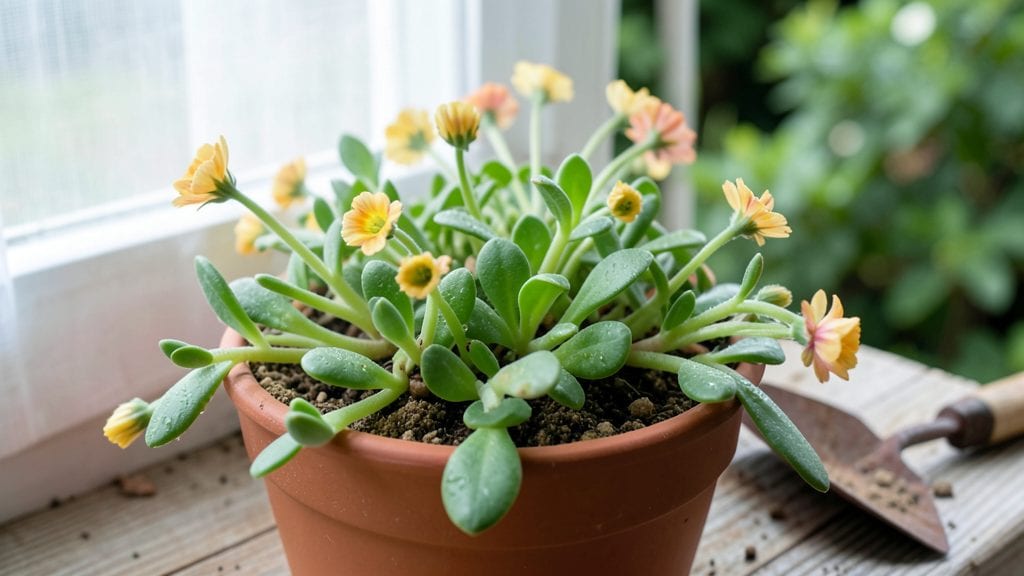
Growing edible purslane flowers in containers lets you harvest vibrant blooms and tangy greens from the same plant—something I only discovered after my first accidental taste test. 🌱 The key is keeping them in well-draining pots with full sun, where they thrive like weeds but produce delicate yellow or orange flowers that taste like a mix of lemon and cucumber.
These aren’t your typical garden flowers; they’re edible powerhouses that double as medicine, packed with omega-3s and anti-inflammatory compounds.
You’ll need just a few supplies: lightweight potting mix (they hate soggy roots), shallow containers (6-inch pots work great), and a sunny spot that gets at least 6 hours of light daily. Purslane spreads fast, so give it room to sprawl or prune regularly to keep it tidy.
The flowers pop open in the morning and close by afternoon, making them perfect for quick harvesting—just snip the blooms before they wilt.
Imagine garnishing salads with bright yellow petals that add a citrusy crunch, or steeping them in honey for a floral-infused syrup. The leaves are edible too, offering a mild, slightly sour bite that pairs beautifully with tomatoes, avocados, or even fish.
This is gardening that doubles as your kitchen’s secret ingredient—no fancy equipment required.
Works equally well on patios, balconies, or windowsills, and pairs beautifully with other container-friendly edibles like nasturtiums or dwarf basil. The only catch? Avoid using herbicides, as purslane absorbs chemicals easily.
Start small, let it grow wild (but contained), and you’ll have a harvest that’s as pretty as it is practical.
📚 In This Guide
- What you need
- Instructions
- Tips and common mistakes
- Wrapping up and next steps
What you need
- ● Purslane seeds (Portulaca oleracea) – Choose organic, non-GMO seeds (about 1/4 teaspoon per container for a bountiful harvest).
- ● Containers – 6–12-inch deep pots with drainage holes (minimum 1 gallon per plant). Terracotta or fabric pots work best!
- ● Well-draining potting mix – A blend of 60% cactus/succulent mix + 40% perlite or coarse sand (purslane hates soggy roots!).
- ● Sunlight access – A south- or west-facing window or grow lights (12–16 hours/day).
- ● Watering can with a fine rose – Purslane needs deep but infrequent watering (let soil dry between waterings).
- ● Balanced liquid fertilizer (5-5-5 or 10-10-10) – Diluted to half-strength every 4–6 weeks.
- ● Seed-starting tray – For germinating seeds indoors before transplanting.
- ● Spray bottle – Keeps seeds moist during germination (purslane seeds need consistent humidity to sprout).
- ● Pruning shears – To encourage bushier growth by trimming leggy stems.
- ● Compost or worm castings – Boosts soil fertility for healthier flowers.
- ○ Pest-control spray (neem oil) – Optional backup for aphids or spider mites.
Step-by-step guide to growing edible purslane flowers in containers
This fast-growing succulent thrives in pots and delivers both vibrant blooms and edible greens.
🌱 Step 1: Select the Right Containers and Soil Mix
Choose shallow containers at least 6 inches deep with drainage holes—purslane hates soggy roots. I use terracotta pots because they dry out faster, preventing rot. Fill each with a well-draining cactus/succulent mix (never garden soil—it compacts and suffocates roots). For 4 plants, you'll need about 2 gallons of mix total, spread evenly across containers.
Tap the pots gently to settle the soil without compacting it. The goal is a light, airy texture that mimics purslane's natural desert habitat. Pre-moisten the mix with lukewarm water until it feels damp but not dripping. This ensures roots establish quickly without shock.
☀️ Step 2: Plant Seeds or Transplants at Proper Spacing
Sow seeds ¼ inch deep or transplant mature starts, spacing them 4-6 inches apart. Purslane spreads aggressively, so crowding leads to weak stems and fewer blooms. I plant 2 seeds per 6-inch pot—thinning later prevents overgrowth. Press seeds lightly into the soil; they don’t need heavy coverage.
Place containers in full sun (6+ hours daily)—purslane flowers best with intense light. If growing indoors, position near a south-facing window or under grow lights 4-6 inches above. Watch for pale, leggy growth—this signals insufficient light. Adjust placement immediately to avoid stunted plants.
💧 Step 3: Water Sparingly and Fertilize Lightly
Water only when the top inch of soil feels dry—purslane stores moisture in its leaves and wilts dramatically if overwatered. I use a spray bottle for gentle hydration, avoiding soggy soil. For 4 plants, ½ cup of water every 3-5 days is typical in summer; reduce to once weekly in winter.
Fertilize once monthly with diluted fish emulsion (5-5-5)—purslane thrives on minimal nutrients. Over-fertilizing causes lush leaves but fewer flowers. You’ll see bright yellow blooms when conditions are ideal; lack of flowers often means too much nitrogen.
✂️ Step 4: Harvest Flowers and Greens for Culinary Use
Harvest fully open flowers in the morning for peak flavor—pinch stems just above a leaf node to encourage bushier growth. For greens, snip outer leaves when 2-3 inches long, leaving inner growth intact. This method keeps plants productive for months. I harvest every 2-3 weeks during peak season.
Use flowers raw in salads or garnishes—their peppery taste complements spicy dishes. Leaves can be eaten like spinach or blended into smoothies. Watch for yellowing leaves—this often signals overwatering or pests. Treat with neem oil spray if aphids appear, but purslane rarely needs intervention.
Tips & tricks for perfect edible purslane flowers in containers
Growing edible purslane flowers is simpler than you think—once you know these pro tricks to avoid common pitfalls and maximize your harvest.
Container Selection Matters: Terracotta pots are ideal because they wick away excess moisture, preventing root rot that purslane despises. If you don't have terracotta, choose containers with drainage holes and make sure they're shallow—purslane's roots don't need depth. For best airflow, space containers at least 6 inches apart to prevent fungal issues.
Lighting is Non-Negotiable: Purslane needs full sun (6+ hours daily) to produce those bright yellow blooms. If growing indoors, position containers within 6 inches of a south-facing window or use grow lights on a 14-hour cycle. Watch for pale, leggy growth—the first sign of insufficient light. Move containers immediately to brighter conditions to prevent stunted plants.
Watering Wisdom: The top inch of soil should dry out completely between waterings—this mimics purslane's desert origins. Use a spray bottle for gentle hydration to avoid disturbing the delicate root system. In summer, your 4 plants will typically need just ½ cup every 3-5 days, but always check soil moisture first. Overwatering is the #1 killer of container-grown purslane.
Harvesting Hack: Always harvest fully open flowers in the morning when their peppery flavor is most intense. For greens, snip outer leaves when they reach 2-3 inches, leaving inner growth intact. This pinch-and-grow method keeps your plants productive for months. I harvest every 2-3 weeks during peak season, and the plants reward me with continuous regrowth.
Pro Tips for Edible Purslane Flowers
- Growing edible purslane flowers is simpler than you think—once you know these pro tricks to avoid common pitfalls and maximize your harvest.
- Container Selection Matters: Terracotta pots are ideal because they wick away excess moisture, preventing root rot that purslane despises.
- Lighting is Non-Negotiable: Purslane needs full sun (6+ hours daily) to produce those bright yellow blooms.
Frequently asked questions
about edible purslane flowers—here’s what you need to know before diving in!Are purslane flowers safe to eat?
Yes! Purslane flowers are completely edible and packed with nutrients like omega-3s, vitamin C, and antioxidants. Just ensure they’re pesticide-free (organic or homegrown is best) and avoid flowers treated with herbicides. Always harvest from healthy, vibrant plants to minimize risks.
When is the best time to harvest purslane flowers?
Pick flowers in the morning after dew dries but before the heat of the day. Aim for fully bloomed but still tight buds—this ensures the best flavor and texture. Harvest regularly to encourage more blooms, but avoid cutting more than one-third of the plant at once to prevent stress.
Can I grow edible purslane flowers in containers?
Purslane thrives in containers with well-draining soil and at least 6–8 inches of depth. Use pots with drainage holes, place them in full sun, and water lightly—purslane dislikes soggy roots. A 12-inch pot can comfortably support a small plant with plenty of edible blooms.
What’s the best way to use purslane flowers in cooking?
Use them fresh in salads for a peppery, tangy kick or garnish dishes like soups, stir-fries, or even cocktails. They’re delicate, so add them last-minute to recipes. Try infusing honey with the flowers for a floral, herbal sweetener—perfect for drizzling over yogurt or desserts!
Will harvesting flowers affect my purslane plant’s growth?
Not if done right! Light harvesting (a few flowers at a time) actually stimulates more blooms. Avoid pruning leaves excessively, though—purslane relies on foliage for energy. If you notice leggy growth, trim back some leaves to encourage bushier, flower-heavy plants. Balance is key!
What if my purslane flowers aren’t opening?
Slow or no blooming often signals stress—check for these fixes:
- Water consistently (purslane prefers dry soil but needs steady moisture).
- Ensure full sun (6+ hours daily).
- Fertilize lightly with compost or a balanced organic fertilizer (too much nitrogen = leafy, no flowers!).
- Rule out pests (aphids or spider mites can stress plants).
Wrapping up and next steps
Discovering edible purslane flowers opens a world of culinary and medicinal possibilities right in your container garden! These vibrant blooms aren’t just beautiful—they’re packed with nutrients, easy to grow, and perfect for adding a unique twist to your dishes.
Whether you’re a seasoned gardener or just starting out, purslane flowers offer a rewarding harvest with minimal effort.
Ready to dive in? Start small—plant a few containers, experiment with flavors, and share your creations with friends or family. Who knows? You might just inspire them to grow their own edible garden too! 🌱✨