
Flowers
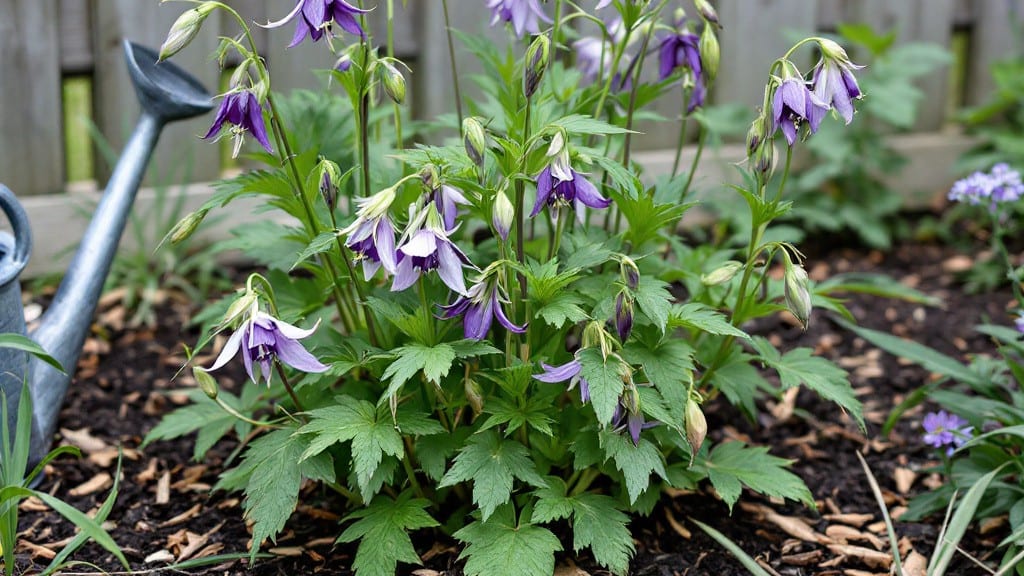
Columbine flower care in the Pacific Northwest means embracing their natural resilience—these hardy blooms thrive where frost lingers and summers stay cool. 🌿 I’ve grown them for years through our damp, chilly seasons, and the secret isn’t complicated: they love what we do.
Plant them in partial shade where morning sun warms their leaves but afternoon rain keeps them hydrated without fuss.
Their frost-resistant nature means you can tuck them into garden beds as early as late winter, often before spring bulbs even poke through.
Well-draining soil with a mix of compost keeps roots happy, and watering once a week (more in summer heat) ensures those iconic nodding blooms appear by early spring. Unlike finicky annuals, columbines reward patience with long-blooming seasons—sometimes from spring through frost.
Here’s where it gets fun: deadhead spent blooms to encourage more flowers, and watch for hungry slugs that adore tender seedlings. A simple beer trap or diatomaceous earth keeps them at bay.
With minimal pruning (just snip back leggy stems after blooming), these perennials multiply over time, creating natural drifts that hummingbirds can’t resist.
Perfect for shady borders, woodland gardens, or even container edges where other flowers wilt. Once established, they’re nearly self-sufficient—just sit back and enjoy the show. Let’s get those seeds in the ground!
📚 In This Guide
- What you need
- Instructions
- Tips and common mistakes
- Wrapping up and next steps
What you need
- ● Columbine seeds or nursery plants: Choose frost-resistant varieties like Aquilegia formosa (Western Columbine) or Aquilegia caerulea (Rocky Mountain Columbine). Start with 3–5 plants for a small garden patch.
- ● Well-draining potting mix or garden soil: A blend of 50% native soil and 50% compost or perlite works best. For containers, use 10–12 inches of mix per pot.
- ● Organic mulch: 2–3 inches of shredded bark, straw, or leaf mold to retain moisture and insulate roots.
- ● Balanced fertilizer: A 10-10-10 or 5-10-10 NPK ratio (organic options like fish emulsion or compost tea are great!). Use ½ teaspoon per plant every 4–6 weeks during growing season.
- ● Garden trowel or hand shovel: For transplanting or digging.
- ● Watering can or hose with a gentle spray nozzle: Columbines hate soggy roots—aim for 1–1.5 inches of water per week.
- ● Pruning shears: For deadheading spent blooms and shaping plants.
- ○ Gloves (optional but recommended): Protect your hands from thorny stems!
- ● Sunlight: Partial shade to full sun (morning sun + afternoon shade works best in hotter PNW summers).
- ● Climate readiness: Columbines thrive in USDA Zones 3–9—perfect for the PNW’s frost!
- ● Patience: Seeds may take 1–2 years to bloom, but established plants reward you with years of color.
Step-by-Step instructions for growing Pacific Northwest columbine
Here's how I've grown thriving columbine in our rainy, chilly climate—no fuss, just reliable blooms.
🌱 Step 1: Choose the Perfect Planting Spot
Columbine thrives in partial shade—think dappled sunlight or morning sun with afternoon shade. In the Pacific Northwest, this means avoiding full sun spots that dry out quickly. I plant mine where they get 3-4 hours of morning sun and afternoon shade from trees or structures.
Check your spot by marking where sunlight hits at different times of day. Columbine roots prefer well-draining soil, so avoid low areas where water pools. If your soil feels heavy when squeezed, amend with 2-3 inches of compost before planting. The roots will thank you with stronger growth and more blooms.
☀️ Step 2: Plant at the Right Time and Depth
For Pacific Northwest gardeners, plant columbine in early spring (March-April) or early fall (September-October). This gives roots time to establish before summer heat or winter frost. Dig a hole twice as wide as the root ball but only as deep—columbine roots don't like being buried too deep.
Gently remove the plant from its container and loosen any circling roots. Place it in the hole so the top of the root ball sits just below soil level. Backfill with native soil mixed with a handful of compost, then water deeply to settle everything. You'll see new growth within 2-3 weeks if conditions are right.
💧 Step 3: Water Consistently Without Overdoing It
Columbine is drought-tolerant once established, but young plants need 1 inch of water weekly during the first growing season. In our rainy climate, this usually means watering only when the top 1-2 inches of soil feel dry—stick your finger in to check. Overwatering causes root rot, which is why well-draining soil matters so much.
After the first year, you can reduce watering to every 2-3 weeks unless we have an extended dry spell. Mature plants store water in their roots and handle our occasional dry summers better than many perennials. Mulch with 2-3 inches of wood chips to retain moisture and keep roots cool.
✂️ Step 4: Deadhead and Prune for Longer Blooms
To encourage more flowers, deadhead spent blooms by pinching off the faded flower head with your fingers or clean pruners. Do this regularly throughout the blooming season (spring to early summer). This redirects the plant's energy from seed production to making new flowers.
In late summer or early fall, cut back the entire plant by one-third to promote bushier growth next year. I do this after the first frost when the plant looks tired. Never cut into old wood—columbine blooms on new growth, so always leave some fresh stems. You'll see fresh foliage emerge in spring.
⏰ Step 5: Protect from Slugs and Winter Prep
Columbine is slug magnet #1 in our garden. I prevent damage by applying diatomaceous earth around the base of plants in early spring and after rain. The fine powder creates a barrier that slugs avoid. For severe infestations, I handpick slugs at night with a flashlight—it's gross but effective.
In winter, columbine's frost-resistant, but a 2-3 inch layer of mulch protects roots from extreme cold. I leave last year's mulch in place and add a fresh layer in late fall. The plant may look dormant, but it's storing energy for next year's blooms. You'll see fresh growth in early spring—proof it survived winter just fine.
Tips & tricks for growing Pacific Northwest columbine
Here's what I've learned after years of growing columbine in our damp, chilly climate—these tricks make all the difference between pretty flowers and a thriving garden star.
Light Check: The 3-4 hours of morning sun in Step 1 is crucial, but don't guess—use a solar tracker app for a week to map your garden's sunlight patterns. I've planted columbine in spots that seemed perfect only to watch them struggle because the shade moved with the seasons. Columbine's delicate leaves burn easily in direct afternoon sun, so that afternoon shade really matters.
Soil Test Tip: Before amending with compost in Step 1, do a simple squeeze test: grab a handful of moist soil and squeeze tightly. If it holds its shape like clay, you definitely need that 2-3 inches of compost. If it crumbles easily, your soil's already well-draining. I've seen columbine roots rot in heavy clay soil despite all other good care—this test saves headaches.
Planting Depth Secret: When planting in Step 2, use a small stick or pencil to mark the soil level at the top of the root ball before removing the plant. This helps you remember the exact depth—columbine roots dislike being buried too deep, which can cause crown rot. I've lost plants by burying them too deep, but this simple trick prevents that every time.
Watering Hack: For the 1 inch of water weekly in Step 3, use a rain gauge or even a tuna can with measurements marked on the side. Our Pacific Northwest rain makes it easy to overlook watering needs. I place these gauges near my columbine to track exactly how much water we're getting from nature before deciding if supplemental watering's needed. This prevents both underwatering and the root rot that comes from overwatering.
Pro Tips for Columbine Flower Care
- Here's what I've learned after years of growing columbine in our damp, chilly climate—these tricks make all the difference between pretty flowers and a thriving garden star.
- Light Check: The 3-4 hours of morning sun in Step 1 is crucial, but don't guess—use a solar tracker app for a week to map your garden's sunlight patterns.
- Soil Test Tip: Before amending with compost in Step 1, do a simple squeeze test: grab a handful of moist soil and squeeze tightly.
Frequently asked questions
Got questions about keeping your columbine flowers thriving in the Pacific Northwest? You’re not alone!
Here are answers to the most common concerns—from planting to troubleshooting—so you can enjoy these frost-hardy beauties with confidence.
How often should I water columbine flowers?
Columbines are drought-tolerant once established, but young plants need consistent moisture—water deeply 1-2 times per week during the first growing season. In the PNW’s rainy climate, focus on watering during dry spells (like summer) and avoid soggy soil. Mulch around the base to retain moisture and protect roots from frost.
Can columbine survive heavy frost or snow?
Columbines are hardy to USDA Zones 3-9, making them perfect for the PNW’s frosty winters. Their semi-evergreen foliage may brown in extreme cold, but the plants regrow in spring. For extra protection, add a light layer of mulch in late fall.
When is the best time to plant columbine in the Pacific Northwest?
Plant columbines in early spring or fall for optimal growth. Spring planting (March–April) lets roots establish before summer heat, while fall (September–October) gives them time to settle before winter. Avoid planting in mid-summer, as extreme heat can stress young plants.
Why are my columbine leaves turning yellow or brown?
Yellowing leaves often signal overwatering or fungal issues, while brown spots may mean powdery mildew (common in humid PNW summers). Improve airflow by spacing plants 12–18 inches apart, and avoid wetting foliage when watering. For mildew, apply neem oil or a copper fungicide as a preventive measure.
What are some low-maintenance alternatives to columbine?
If you love columbines but want even easier care, try these PNW-friendly perennials:
- Lungwort (Pulmonaria): Frost-hardy, shade-tolerant, and blooms early.
- Bleeding Heart (Dicentra): Thrives in partial shade with minimal fuss.
- Yarrow (Achillea): Drought-resistant and attracts pollinators.
- Sedum (‘Autumn Joy’): Loves heat and handles neglect beautifully.
Wrapping up and next steps
Caring for columbine flowers in the Pacific Northwest is all about embracing their hardy nature while giving them the right conditions to thrive! 🌿 With the right soil, sunlight, and a little patience, these frost-resistant beauties will reward you with vibrant blooms year after year.
Whether you're a seasoned gardener or just starting out, these tips make growing columbines simple and satisfying.
Now that you’re armed with the know-how, roll up your sleeves and get planting! Grab those seeds or seedlings, prepare your garden bed, and watch your columbines flourish. Ready to turn your garden into a colorful haven? Start your columbine journey today—your future blooms will thank you!