
Flowers
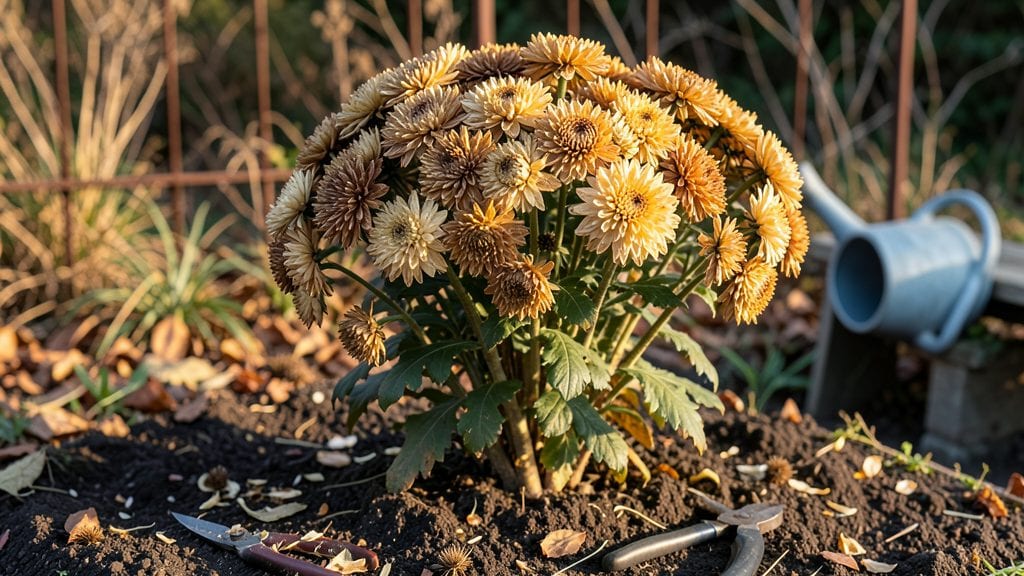
Growing chrysanthemums for dry flowers unlocks a treasure trove of rustic charm that lasts long after summer fades. 🌿 In the Pacific Northwest, where frost arrives early, the right varieties—like 'Indiana' or 'Bonanza'—thrive through cool seasons, their blooms staying vibrant until the first hard freeze.
The secret lies in timing: harvest when 75% of petals open, then hang them upside down in a dark, dry space for weeks until crisp and papery.
You’ll need just a few supplies: sharp pruning shears, breathable paper bags for storage, and a quiet corner away from direct light. The drying process takes patience—about 4-6 weeks—but the results are worth it: flowers that retain their color and delicate structure for years.
These dried blooms become the heart of winter wreaths, fragrant potpourri, or handmade garlands that bring summer’s warmth indoors.
Once dried, store your chrysanthemums in airtight containers with silica gel or dried lavender to preserve their beauty. The possibilities are endless—craft floral arrangements, press them into bookmarks, or tuck them into holiday gifts.
With the right care, your harvest will last for decades, turning fleeting summer blooms into heirlooms that tell a story of your garden’s journey.
This method works perfectly for Pacific Northwest gardeners, where cool, damp summers and early frosts create ideal conditions for preserving chrysanthemums naturally.
Whether you're a beginner or a seasoned gardener, the process is simple and rewarding—just follow the steps, and you’ll have a stash of dried flowers ready to brighten any season.
📚 In This Guide
- What you need
- Instructions
- Tips and common mistakes
- Wrapping up and next steps
What you need
- ● Chrysanthemum plants: Choose frost-resistant varieties like ‘Bonanza,’ ‘Mammoth,’ or ‘Daisy’ (6–12 plants for a small garden, 24+ for larger displays).
- ● Well-draining soil: Mix 60% garden soil with 40% perlite or coarse sand (1–2 cubic yards for a 10’x10’ area).
- ● Organic compost: 5–10 lbs per plant to enrich soil and boost blooms.
- ● Slow-release fertilizer: 10–20–10 NPK ratio (1 lb per 10 sq ft of garden).
- ● Watering can or hose with a gentle spray nozzle: For consistent moisture without damaging petals.
- ● Pruning shears: Sharp, clean pair (sterilize with rubbing alcohol between cuts).
- ● Drying racks or screens: Elevated, well-ventilated surface (e.g., wire mesh or wooden frames).
- ○ Twine or clothespins: To bundle stems for drying (optional but helpful).
- ● Mulch: Straw or shredded leaves (2–3 inches) to insulate roots from frost.
- ● Frost cloth: Lightweight fabric to protect young plants in early fall/winter.
- ● Air-drying kit: Pre-made bundles with desiccant packets for faster drying.
- ● Spray bottle with distilled water: To mist dried flowers and preserve color.
- ● Glass jars or kraft paper bags: For storing dried blooms long-term.
Step-by-step guide to growing and drying Pacific Northwest chrysanthemums
Here’s how to cultivate hardy, frost-resistant mums that thrive in PNW conditions and dry beautifully for lasting arrangements.
🌱 Step 1: Select and Plant Frost-Resistant Varieties
Choose Pacific Northwest-hardy chrysanthemum varieties like ‘Pacific Beauty’ or ‘Pacific Giant,’ which tolerate cooler temperatures and shorter daylight hours. Plant in well-draining soil enriched with 2-3 inches of compost—PNW clay soil drains poorly, so amend it thoroughly. Space plants 18-24 inches apart to allow airflow and prevent fungal diseases.
Timing matters: Plant 4-6 weeks before your first frost date (typically late August to early September in the PNW). This gives roots time to establish before winter. Press each plant into the soil until the top of the root ball is level with the ground—burying too deep stresses the plant.
☀️ Step 2: Provide Light and Water for Strong Growth
Chrysanthemums need full sun (6-8 hours daily) to bloom well, but in the PNW, afternoon shade helps prevent leaf scorch. If growing in partial shade, expect fewer blooms. Water deeply once a week, soaking the soil to 12 inches deep—shallow watering encourages weak roots. Let the top 2 inches of soil dry between waterings to prevent root rot.
Fertilize monthly with a balanced 10-10-10 formula from spring until early summer. Stop fertilizing 6-8 weeks before your first frost—new growth won’t harden off properly. Watch for yellowing leaves, which signal overwatering or nutrient deficiencies. Adjust watering or add compost if needed.
✂️ Step 3: Encourage Blooms and Prepare for Drying
Pinch back new growth in early summer to promote bushier plants and more flowers. Remove spent blooms regularly to encourage continuous flowering until frost. When blooms reach 75% openness (petals just beginning to flatten), harvest them for drying—this ensures vibrant color retention.
Cut stems at a 45-degree angle with clean shears, leaving 4-6 inches of stem. Bundle stems in rubber bands and hang upside down in a dark, dry, well-ventilated space (like a closet or garage) for 2-3 weeks. Test dryness by gently rubbing a petal—if it crumbles, they’re ready.
🌿 Step 4: Overwinter and Replant for Year-Round Blooms
In the PNW, chrysanthemums survive winter if protected. After the first frost, cut back foliage to 2 inches and mulch with 3-4 inches of straw or shredded leaves. This insulates roots and prevents heaving. In early spring, remove mulch and trim back any dead growth—new shoots will emerge by late March or April.
Divide mature clumps every 3-4 years in early spring to rejuvenate plants. Dig up clumps, separate sections with a clean knife, and replant immediately. This keeps blooms vigorous and prevents overcrowding. With proper care, your mums will reward you with year-round blooms and stunning dried flowers for arrangements.
Tips & tricks for perfect Pacific Northwest chrysanthemum drying
Growing and drying chrysanthemums in the Pacific Northwest takes some special know-how—here are my tried-and-true tricks to ensure vibrant blooms that dry beautifully.
Soil Preparation is Key: PNW clay soil drains poorly, so don't skip amending with 2-3 inches of compost before planting. I like to work in a bit of perlite or coarse sand too—this improves drainage dramatically and prevents root rot. The goal is soil that feels like a damp sponge, not mud.
Timing Your Planting: That 4-6 week window before frost is critical for root establishment. I always check my local frost date and mark my calendar—planting too early can lead to leggy growth, while planting too late means weak roots before winter. For extra insurance, I plant a few weeks early in containers so I can move them if needed.
Harvesting for Drying: When those blooms reach 75% openness, that's your cue to harvest! I find the best time is late morning when dew has dried but the flowers are still crisp. Cutting stems at a 45-degree angle with clean shears is a game-changer—it maximizes surface area for water uptake and prevents bacterial growth that can ruin your dried flowers.
Drying Conditions Matter: That dark, dry, well-ventilated space should be around 70-75°F for best results. I use my garage with a small fan circulating air—this prevents mold and speeds up drying. The 2-3 week timeframe can vary, so I test petals every few days by gently rubbing them. If they crumble easily, they're ready!
Pro Tips for Chrysanthemum Dry Flower
- Growing and drying chrysanthemums in the Pacific Northwest takes some special know-how—here are my tried-and-true tricks to ensure vibrant blooms that dry beautifully.
- Soil Preparation is Key: PNW clay soil drains poorly, so don't skip amending with 2-3 inches of compost before planting.
- Timing Your Planting: That 4-6 week window before frost is critical for root establishment.
Frequently asked questions
How long does it take for chrysanthemums to dry properly?
Drying time depends on the method: hanging (2–4 weeks), air-drying in bundles (3–5 weeks), or silica gel (24–48 hours). PNW humidity may slow the process—opt for a dry, well-ventilated space (like a garage or shed) to speed things up. Test dryness by gently bending a stem; if it snaps cleanly, it’s ready!
Can I dry chrysanthemums outdoors in the PNW’s rainy climate?
Outdoor drying is risky due to moisture, but you can temporarily place them under a covered porch or carport to start the process. For best results, bring them indoors once buds open slightly (about 50% bloomed). Use a dehumidifier or fan to circulate air and prevent mold. If rain is forecasted, move them inside immediately!
What’s the best way to preserve chrysanthemum color when drying?
Color retention hinges on timing and light. Harvest when blooms are fully open but still vibrant (avoid overripe flowers). For deeper hues, dry in indirect sunlight or fluorescent light—direct sun can fade colors. Add a dryer sheet (ungented) to your drying bundle to absorb excess moisture and lock in pigment.
Are there alternatives to traditional drying methods for PNW growers?
Yes! Try these PNW-friendly shortcuts:
- Microwave method: Place stems in a paper towel-lined microwave-safe bowl, cover with a damp towel, and heat on low (20% power) for 1–2 minutes. Let cool completely before handling.
- Oven drying: Wrap stems in newspaper, bake at 200°F (93°C) for 1–3 hours (check frequently).
- Freeze-drying: A pricier option, but preserves color and texture perfectly—ideal for large batches.
Why are my dried chrysanthemums turning brown or moldy?
Brown spots or mold usually mean excess moisture or ethylene gas (from overripe flowers). To fix it:
- Re-dry in a well-ventilated area with a fan.
- Store dried flowers in paper bags (not plastic) to allow airflow.
- Avoid storing near fruits/vegetables (they release ethylene).
- For moldy stems, trim affected areas and re-dry.
Wrapping up and next steps
Growing chrysanthemum dry flowers in the Pacific Northwest isn’t just possible—it’s a rewarding way to embrace seasonal beauty year-round! 🌸 With frost-resistant varieties, the right soil, and a little patience, you’ll enjoy stunning blooms that last well beyond their fresh phase.
Whether you’re crafting arrangements or simply admiring their resilience, your garden will thrive with these hardy favorites.
Ready to take the next step? Start small—plant a few varieties this season and experiment with drying techniques. Before you know it, your home will be filled with the warm, earthy charm of chrysanthemum dry flowers, and you’ll be sharing your success with fellow gardening enthusiasts! 🌿