Flowers
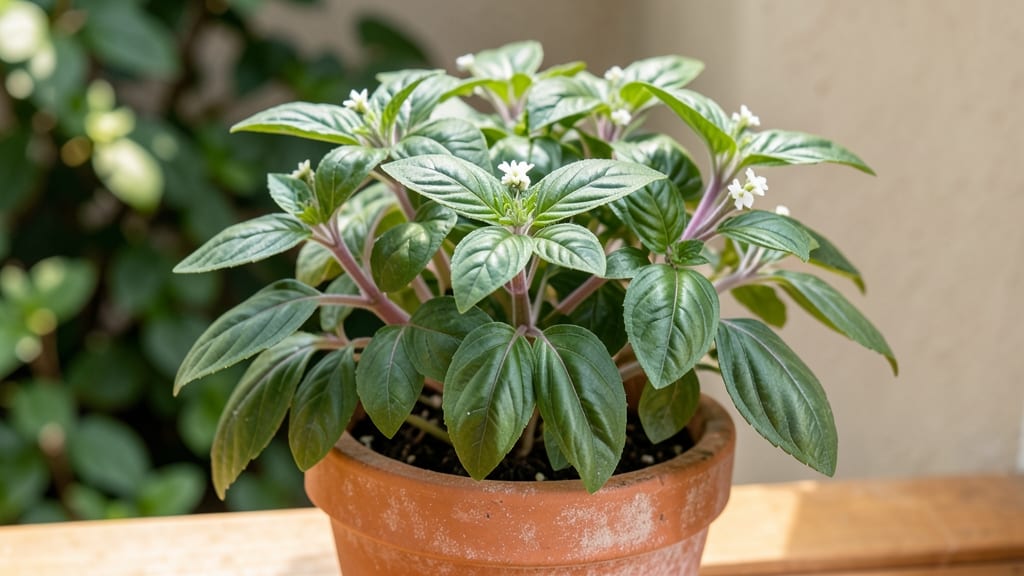
Basil has flowers—but don’t let them fool you into thinking they’re just decorative. 🌿 Those delicate white or purple blooms mark a turning point in your plant’s life, shifting energy from flavorful leaves to seed production.
I’ve seen basil go from lush and fragrant to woody and bitter overnight once flowers took over, and I’ll show you how to keep that from happening.
The moment you spot those tiny buds, time’s up for leaf production. The plant redirects its energy to flowering and seeding, which means your pesto supply will dwindle fast. Pruning those flowers back immediately stops this shift and keeps your basil focused on growing the tender, aromatic leaves you love.
It’s a simple act that can extend your harvest by weeks.
Here’s the magic: those flowers aren’t just pretty—they’re edible. Use them fresh in teas, garnishes, or even pesto for a subtle anise-like flavor. But if you’re growing basil for leaves, prune aggressively at the first sign of buds.
Snip just above a set of leaves to encourage bushier growth and keep the flavor strong. Your kitchen—and your basil—will thank you.
This works for both container and in-ground basil, whether you’re growing in full sun or partial shade. The key is staying ahead of the flowers. Once you master this, you’ll have basil that keeps producing all season long, with minimal effort. Let’s keep those leaves coming!
📚 In This Guide
- What you need
- Instructions
- Tips and common mistakes
- Wrapping up and next steps
What you need
- ● Fresh basil plants (preferably Genovese or Sweet basil for best flavor): At least 2–3 mature plants (or 1 large plant with abundant flowers)
- ● Organic preferred (avoid pesticides if edible)
- ● Scissors or pruning shears: Clean, sharp blades (sterilize with rubbing alcohol if reusing)
- ● Basil flowers: Harvest fully open blooms (pink or white, depending on variety)
- ● Pick in the morning for peak freshness
- ● Food-safe storage containers (for short-term use): Glass jars or airtight bags (if drying or refrigerating)
- ● Drying rack or mesh screen (for air-drying flowers)
- ● Food dehydrator (for low-heat drying, ~95°F/35°C)
- ● Mortar & pestle (for crushing dried flowers into pesto or tea blends)
- ● Olive oil, pine nuts, Parmesan (if making flower-infused pesto)
- ● Honey or citrus zest (to enhance floral tea or garnishes)
Step-by-Step guide to harvesting and using basil flowers
Here’s how to turn those delicate basil blooms into edible treasures for your kitchen.
🌿 Step 1: Identify and Select the Right Flowers
Basil flowers are small, star-shaped blooms that appear in shades of white, pink, or purple. Look for fully opened buds—these are the sweetest and most flavorful. I always harvest in the morning when the flowers are freshest, and the scent is strongest. Avoid harvesting flowers that look wilted or have brown edges, as they can affect flavor.
Use clean, sharp scissors or pruning shears to snip the flower clusters just above a set of leaves. This encourages the plant to produce more flowers and keeps the basil bushy. I like to leave a few flowers on the plant if I’m not using them immediately—they’ll attract pollinators and may even produce tiny basil seeds.
💧 Step 2: Rinse and Prepare for Use
Gently rinse the harvested flowers under cool water to remove any dirt or debris. Shake off excess water and pat them dry with a clean kitchen towel or paper towel. Basil flowers are delicate, so handle them with care to avoid crushing the petals. I often lay them flat on a paper towel to air-dry completely before using them in recipes.
If you’re planning to use the flowers fresh, skip the drying step. For dried flowers, spread them out on a mesh screen or a clean, dry surface in a warm, dry place away from direct sunlight. This prevents the flowers from losing their color or flavor too quickly. Once fully dry, store them in an airtight container in a cool, dark place.
☀️ Step 3: Use Flowers in Recipes or Preserve Them
Basil flowers add a delicate, floral note to dishes and drinks. I love adding them to homemade pesto for a subtle sweetness, or sprinkling them over fresh mozzarella and tomato salads. For tea, steep a few dried flowers in hot water for 5-10 minutes—it makes a soothing, aromatic infusion. You can also infuse olive oil with basil flowers for a unique twist on classic basil oil.
To preserve the flowers for later use, consider making basil flower vinegar. Simply place a handful of fresh flowers in a clean glass jar, cover them with white wine vinegar, and let it sit in a cool, dark place for 2-3 weeks. Strain and store the vinegar in a sealed bottle. This adds a beautiful floral touch to dressings and marinades.
✂️ Step 4: Encourage More Basil Flowers
To keep your basil plant producing flowers, prune it regularly. Pinch off any flower buds that appear early in the season—this redirects the plant’s energy toward leaf production. Once the plant is established and you’re ready to harvest flowers, let a few buds bloom naturally. I usually wait until the plant has at least 6-8 inches of growth before allowing flowers to develop.
Ensure your basil plant gets plenty of sunlight—at least 6 hours of direct sun daily—and water it consistently, keeping the soil evenly moist but not soggy. Overwatering can stress the plant and reduce flower production. A balanced fertilizer applied every 4-6 weeks will also help keep your basil healthy and productive.
Tips & tricks for perfect basil flower harvesting
A few simple tricks will help you get the most out of your basil blooms—from flavor to preservation.
Timing Secret: Harvest basil flowers in the early morning when the dew is still on the petals. This is when their essential oils are at their peak intensity, giving you the strongest flavor for recipes. I've noticed the scent is noticeably sweeter right after sunrise compared to later in the day.
Handling Technique: When rinsing the delicate flowers in Step 2, use a fine-mesh strainer instead of running water directly over them. This prevents the flowers from breaking apart and losing their shape. After rinsing, gently squeeze out excess water by rolling them in a clean kitchen towel—don't press too hard, or you'll crush those beautiful petals.
Preservation Strategy: For dried basil flowers, consider using silica gel packets in your storage container. These help maintain the flowers' vibrant color and prevent moisture absorption, which can cause mold. I store mine in small glass jars with a teaspoon of dried silica gel and check them every few months to refresh the packets.
Recipe Enhancement: When using fresh basil flowers in recipes like pesto or salads, add them just before serving. This preserves their delicate flavor and prevents them from becoming bitter or losing their vibrant color. For tea infusions in Step 3, use a fine-mesh tea infuser to protect the flowers from breaking apart during steeping.
Pro Tips for Basil Has Flowers
- A few simple tricks will help you get the most out of your basil blooms—from flavor to preservation.
- Timing Secret: Harvest basil flowers in the early morning when the dew is still on the petals. This is when their ess...
- Handling Technique: When rinsing the delicate flowers in Step 2, use a fine-mesh strainer instead of running water di...
Frequently asked questions
Got questions about basil flowers? You’re not alone!
Here are some of the most common queries—plus quick, practical answers to help you make the most of these edible blooms.
Can I eat basil flowers?
Basil flowers are 100% edible and add a delicate, slightly sweeter flavor than the leaves. Use them fresh in teas, garnishes, or even as a decorative (and tasty!) pesto topping. Just avoid flowers sprayed with pesticides—opt for organic basil when possible.
Do basil flowers affect the plant’s flavor?
Yes! Once basil flowers, its leaves may become slightly bitter as the plant shifts energy to seed production. To keep your basil leafy and flavorful, prune the flowers regularly. This encourages more leaf growth and extends your harvest.
How long does it take for basil to flower?
Basil typically flowers 6–8 weeks after planting, depending on the variety and growing conditions. Genovese basil flowers faster (4–6 weeks), while Thai basil may take longer. Keep plants in full sun and well-watered to delay flowering if you’re growing for leaves.
What can I do with basil flowers if I don’t want to eat them?
Don’t toss them! Basil flowers make beautiful garnishes (try them on caprese salads or cocktails), infused oils/vinegars, or even homemade potpourri. For gardeners, let a few flowers go to seed to attract pollinators like bees and butterflies.
Why are my basil flowers turning brown or dying?
Brown or wilting basil flowers often signal overmaturity, stress, or disease. Check for:
- Underwatering (soil should stay moist but not soggy).
- Pests like aphids or spider mites (spray with neem oil if needed).
- Fungal issues (remove affected flowers and improve airflow).
Wrapping up and next steps
Discovering that basil has flowers isn’t just a fun fact—it’s a culinary game-changer! 🌸 Whether you’re sipping floral basil tea, sprinkling edible blooms over dishes, or whipping up pesto magic with every part of the plant, these delicate flowers add a burst of flavor and beauty.
Now that you’re armed with tips and tricks, why not harvest those blooms and elevate your cooking (or tea time) today?
Next step: Grab a pair of scissors, head to your garden or kitchen, and start experimenting! The world of basil flowers is waiting—go taste the blooms! 🌿✨