Flowers
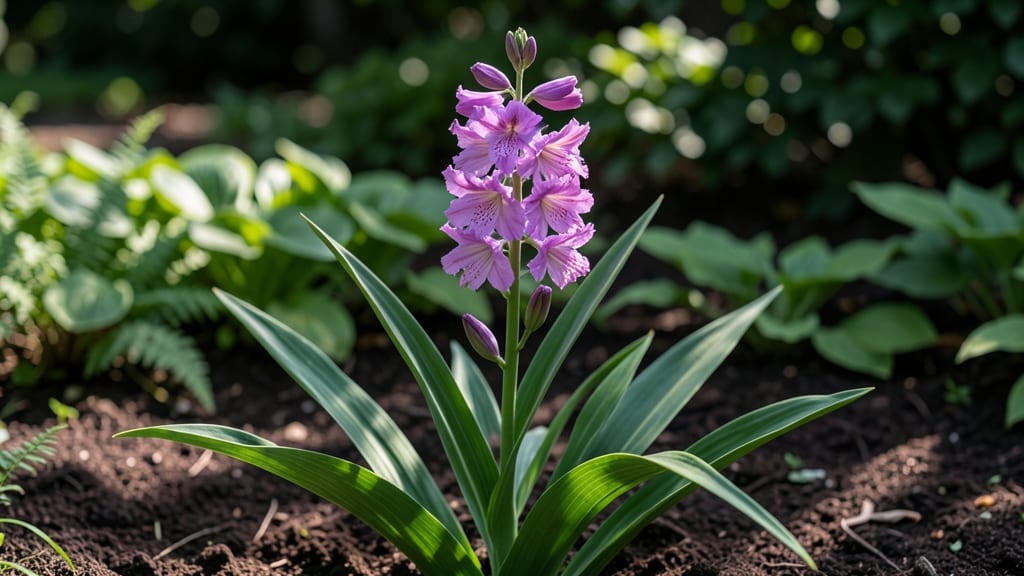
Purple alstroemeria flowers bring the Pacific Northwest’s misty charm to gardens with their bold, frost-resistant blooms that thrive where others falter. 🌿 I fell in love with them after they outlasted a late spring frost in my own yard, their petals unfurling undaunted by the chill.
These flowers aren’t just survivors—they’re showstoppers, their deep purple hues adding drama to borders, containers, and even winter arrangements when paired with eucalyptus or dried grasses.
What makes them a designer’s secret weapon is their versatility: they bloom from early summer through fall, offering continuous color when many perennials fade. Plant them in clusters along pathways or at the front of borders where their upright stems and nodding blooms create movement.
In containers, they pair beautifully with silver foliage plants like lamb’s ear or dusty miller, creating a striking contrast that lasts all season.
You’ll love how they transform even the driest corners of your garden into lush, vibrant spaces—no fuss, just color. Their long stems make them perfect for cutting too, so you’ll have fresh blooms for tablescapes or bouquets that last for days.
The key to maximizing their impact? Group them in odd-numbered clusters and mix heights for a natural, layered look.
For Pacific Northwest gardeners, they’re a no-brainer: cold-hardy, drought-tolerant once established, and effortlessly elegant. Whether you’re designing a cottage garden, a modern border, or a low-maintenance pollinator haven, these purple stars deliver year after year. Let’s make your garden their stage.
📚 In This Guide
- What you need
- Instructions
- Tips and common mistakes
- Wrapping up and next steps
What you need
- ● Alstroemeria bulbs (purple variety): 10–20 bulbs (depending on desired coverage)
- ● Ensure they’re labeled as Alstroemeria ‘Purple’ or Alstroemeria ‘Regina’ for true purple blooms
- ● Well-draining potting mix or garden soil: 5–10 gallons (for containers) or amended native soil (for in-ground planting)
- ● Add perlite or sand (1 part perlite to 3 parts soil) if your soil is heavy clay
- ● Garden tools: Trowel or bulb planter
- ○ Garden gloves (optional but recommended)
- ● Watering can or hose with a gentle spray nozzle
- ● Mulch: 2–3 inches of straw, wood chips, or shredded bark (to protect roots in winter)
- ● Slow-release fertilizer (balanced 10-10-10 or rose-specific)
- ● Flower food or liquid fertilizer (for container plants)
- ● Stakes or plant supports (if stems grow tall in windy PNW conditions)
- ● Pruning shears (for deadheading spent blooms)
- ● Garden twine (to secure supports)
How to grow stunning purple alstroemeria in the Pacific Northwest
Here’s my foolproof method for cultivating these frost-tolerant blooms—perfect for PNW gardens where cold snaps are common.
🌱 Step 1: Choose the Right Location and Soil
Alstroemeria thrives in partial shade to full sun—but in the Pacific Northwest’s cooler climate, I opt for morning sun and afternoon shade to prevent leaf scorch. The key is well-draining soil with a slightly acidic to neutral pH (6.0-7.0). Amend heavy clay soil with 2-3 inches of compost or organic matter to improve drainage.
I dig a hole twice as wide as the root ball but only as deep as the container it came in. This encourages root spread without burying the crown too deeply. If planting in fall, choose a spot sheltered from strong winds—these perennials can get leggy in exposed areas.
💧 Step 2: Plant and Water for Establishment
Place the alstroemeria 12-18 inches apart in rows or clusters, depending on your design. The Pacific Northwest’s mild winters mean you can plant in early fall (September) or early spring (March)—just avoid frost periods. Gently firm the soil around the roots to eliminate air pockets, but don’t compact it.
Water deeply right after planting to settle the soil and encourage root growth. Then, keep the area consistently moist but not soggy for the first 4-6 weeks. You’ll know it’s right when the top 1-2 inches of soil feel damp—not wet. Overwatering in the PNW’s damp climate leads to root rot, so I use a soaker hose to deliver water slowly at the base.
☀️ Step 3: Provide Ongoing Care for Blooms
Once established, alstroemeria is drought-tolerant, but regular watering during dry spells keeps blooms vibrant. In the Pacific Northwest, this usually means watering every 7-10 days unless we get a heatwave. I mulch with 2-3 inches of shredded bark to retain moisture and regulate soil temperature—critical for these frost-hardy plants.
Deadhead spent blooms every 2-3 weeks to encourage more flowers. I snip stems just above a set of leaves or buds, which signals the plant to produce new growth. Fertilize lightly in early spring with a balanced 10-10-10 fertilizer—too much nitrogen makes them focus on leaves over blooms.
✂️ Step 4: Winterize for Pacific Northwest Conditions
The real secret to PNW success? Minimal winter prep. Alstroemeria handles frost down to 15°F, but I still protect young plants in their first winter with a thick layer of mulch (4-6 inches). In colder microclimates, a light frost cloth over the crown works wonders—just remove it in early spring before new growth appears.
Prune back yellowed or damaged foliage in late winter (February) to tidy up the plant. Avoid heavy pruning—these perennials regenerate from their roots, and cutting too much can delay spring blooms. You’ll see new shoots emerge by early April, signaling it’s time to remove winter protection.
Tips & tricks for perfect purple alstroemeria in the Pacific Northwest
Here’s what I’ve learned after years of growing these stunning purple blooms in our rainy climate—tricks that make all the difference between pretty flowers and showstopping plants.
Soil Preparation Secret: Before amending your soil with compost, test its pH using a simple kit—PNW soils often lean acidic. If your test shows below 6.0, mix in dolomitic lime (1/2 cup per plant) into the top 6 inches of soil 2-3 months before planting. This adjustment is key for purple alstroemeria, which thrive in that slightly acidic to neutral range. I always do this in early spring to avoid disturbing roots during planting season.
Planting Depth and Spacing: The hole you dig should be twice as wide but only as deep as the root ball—this encourages outward root growth rather than downward. For spacing, think of a 12-18 inch grid between plants. In windy PNW locations, I increase spacing to 24 inches to prevent wind damage, especially for the first growing season. This also gives you better air circulation, which reduces fungal issues.
Watering Wisdom: That 4-6 week establishment period is critical—don't skip it! Use your finger to check soil moisture at the 1-2 inch depth rather than relying on a schedule. In our climate, mornings are best for watering to prevent evening moisture that can lead to mildew. I've found that drip irrigation set to deliver 1/2 inch per week during establishment works perfectly, eliminating guesswork.
Winter Protection Strategy: For that 15°F frost protection, I layer 4 inches of straw mulch first (it breaks down slowly), then add 2 inches of shredded bark on top. This two-layer system provides both insulation and moisture retention. In exposed areas, I add a lightweight frost cloth only when temperatures are forecasted to drop below 20°F—the cloth prevents windburn while allowing airflow.
Pro Tips for Alstroemeria Purple Flower
- Here’s what I’ve learned after years of growing these stunning purple blooms in our rainy climate—tricks that make all the difference between pretty flowers and showstopping plants.
- Soil Preparation Secret: Before amending your soil with compost, test its pH using a simple kit—PNW soils often lean acidic.
- Planting Depth and Spacing: The hole you dig should be twice as wide but only as deep as the root ball—this encourages outward root growth rather than downward.
Frequently asked questions
How cold can alstroemeria purple flowers handle?
These frost-resistant beauties can survive temperatures down to 15°F (-9°C)! While they tolerate light freezes, heavy snow or prolonged sub-zero spells may damage foliage. Pro tip: Mulch around the base in winter for extra protection.
When is the best time to plant purple alstroemeria?
Spring (after the last frost) or early fall are ideal. Planting in spring gives roots time to establish before winter, while fall planting (6–8 weeks before frost) lets them grow slowly in cooler temps. Avoid summer heat stress!
Why aren’t my purple alstroemeria blooming?
Common culprits include over-fertilizing (too much nitrogen = leafy, no flowers), poor drainage, or lack of sunlight (they need 6+ hours/day). Try deadheading spent blooms and feeding with a low-nitrogen, high-phosphorus fertilizer in early spring.
Can I grow purple alstroemeria in containers?
Use a well-draining pot (12"+ diameter) with holes, and mix in perlite or sand. Repot every 2–3 years, and never let them sit in soggy soil. Bonus: Container-grown alstroemeria can be moved indoors in winter for a pop of color!
What’s a good alternative if I can’t find purple alstroemeria?
Try these PNW-friendly purple bloomers:
- Catmint (drought-tolerant, long-lasting)
- Lavender (fragrant, pollinator magnet)
- Salvia ‘May Night’ (deep purple spikes)
- Clematis ‘Jackmanii’ (vining, dramatic)
Wrapping up and next steps
Discovering the alstroemeria purple flower opens up a world of vibrant, resilient beauty—perfect for the Pacific Northwest’s cool, unpredictable climate. 🌸 Whether you’re a gardener eager to add frost-resistant charm or a floral enthusiast drawn to its striking hues, this flower is a standout choice for year-round interest.
Ready to bring its elegance to your garden or bouquets?
Take the next step: visit your local nursery, order seeds online, or sketch a garden layout to make these purple blooms your new favorite! 🌿