Flowers
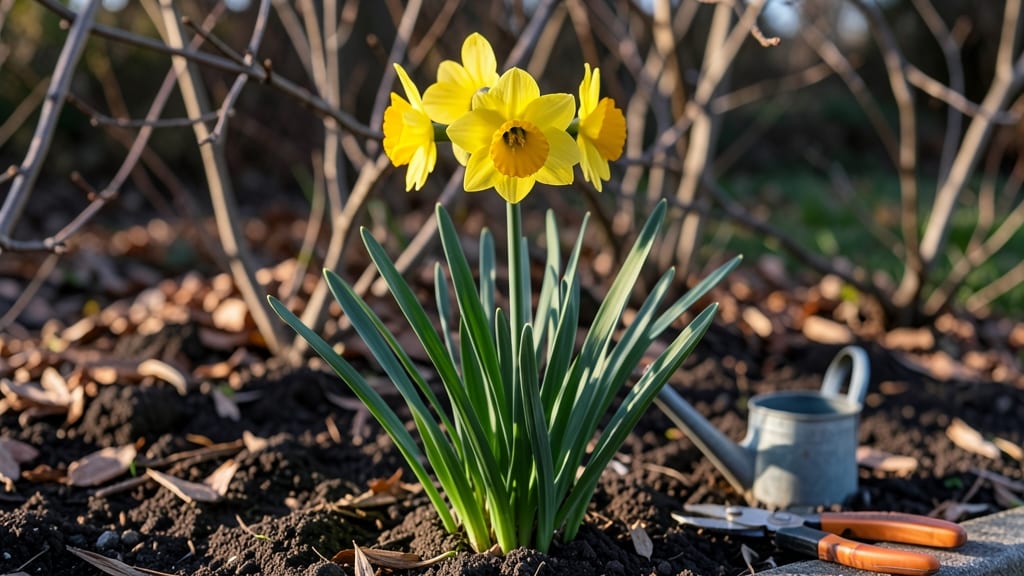
Yellow daffodils burst through frost-kissed soil like tiny suns, turning dull winter landscapes into vibrant spring canvases. 🌸 I’ve watched them transform my garden from gray to golden in a single weekend—no other flower delivers that kind of instant cheer.
Their bright hue isn’t just cheerful; it’s strategic, drawing the eye to borders or focal points where other plants are still dormant.
Pair them with deep purples like grape hyacinths or soft blues like crocuses for a striking contrast that feels intentional. Plant yellow daffodils in clusters of 5-7 for maximum impact, and tuck them near evergreens to bridge the gap between winter and summer blooms.
Their early emergence also makes them perfect for cutting gardens, giving you fresh flowers when little else is available.
You’ll love how they hold their color even in partial shade, making them versatile for tricky spots. The secret to their staying power? Planting them in well-draining soil and avoiding overcrowding—this keeps them blooming reliably for years.
By late spring, they’ll fade into lush foliage, leaving behind a legacy of sunshine that other flowers can’t match.
Whether you’re designing a sunny border, a cottage-style garden, or just brightening up a dull corner, yellow daffodils are the unsung heroes of early spring. Their simplicity hides their power—just a few bulbs can turn a ho-hum space into a showstopper.
Let’s make your garden the first one on the block to wake up in gold.
📚 In This Guide
- What you need
- Instructions
- Tips and common mistakes
- Wrapping up and next steps
What you need
- ● Yellow daffodil bulbs: Choose high-quality, disease-free bulbs (e.g., Narcissus pseudonarcissus for classic yellow varieties). Quantity: 5–10 bulbs per planting area (adjust based on desired coverage).
- ● Well-draining potting soil or garden soil: Mix in compost (1 part compost to 3 parts soil) for nutrient-rich planting.
- ● Garden fork or trowel: For digging planting holes (6-inch depth recommended).
- ○ Organic fertilizer (optional): A balanced 10-10-10 or bulb-specific fertilizer to boost early growth.
- ● Fresh-cut yellow daffodils: 3–5 stems per arrangement (longer stems for vases).
- ○ Floral preservative (optional): Extends vase life by 3–5 days.
- ● Scissors or pruners: Clean, sharp tools for cutting stems at a 45° angle.
- ● Vase or container: Choose one slightly wider than the stem cluster for stability.
- ● Sunlight: Full sun (6+ hours daily) for outdoor planting; bright indirect light for indoor arrangements.
- ● Watering can or hose: Gentle watering after planting to avoid displacing bulbs.
- ○ Mulch (optional): Straw or shredded leaves to protect bulbs in colder climates.
How to grow stunning yellow daffodil flowers
Here's how I bring early spring sunshine into my garden—simple, reliable, and foolproof.
🪴 Step 1: Choose the Right Location and Soil
Yellow daffodils thrive in full sun to partial shade, with at least 6 hours of sunlight daily. I pick spots where they’ll get morning sun and afternoon shade if your climate runs hot—this prevents the petals from scorching. The soil must drain well; daffodils rot in soggy ground. If your yard has heavy clay, mix in 2-3 inches of compost to loosen it before planting.
Dig a hole twice as wide as the bulb’s diameter but only 6 inches deep. Planting too deep delays blooms, while shallow planting exposes bulbs to frost. Loosen the soil at the bottom of the hole with your fingers—this helps roots spread easily. Here’s the thing: daffodils multiply over time, so give them space. For 4 plants, space them 4-6 inches apart in rows 12 inches apart.
🌱 Step 2: Plant Bulbs at the Right Depth and Time
Plant bulbs in fall, 6-8 weeks before the ground freezes. I aim for mid-October in my zone 6 garden—this gives roots time to establish before winter. Place the bulb pointy-side up, about 6 inches deep, with the neck (the narrow part above the bulb) just below soil level. Press the soil gently around the bulb to remove air pockets but don’t tamp it down.
Water deeply after planting to settle the soil and encourage root growth. You’ll see green shoots in late winter or early spring, usually when daytime temps hit 40°F consistently. If your winter is dry, add 1 inch of mulch around the planting area to protect bulbs and retain moisture. Don’t skip this—dry winters can stress newly planted bulbs.
☀️ Step 3: Care for Daffodils Through the Growing Season
Once shoots appear, stop fertilizing—daffodils don’t need extra nutrients to bloom. Water 1 inch per week during active growth (when leaves are green and stems are firm), but reduce watering once flowers fade. The leaves are doing critical work: they’re feeding the bulb for next year’s blooms. Let them yellow naturally before cutting them back—don’t remove leaves until they turn brown.
Deadhead spent flowers by snipping the stem just above the base, but leave the foliage until it dies back on its own. I mark my planting spots with small flags so I don’t accidentally dig up bulbs when weeding. Daffodils are deer-resistant, but slugs may munch on young shoots. If you see holes in leaves, set out beer traps or diatomaceous earth around the base at night.
⏰ Step 4: Prepare for Next Year’s Blooms
After the leaves turn brown and crispy, cut them back to 2 inches above the soil line. This cleans up the garden but leaves enough foliage to protect the bulb over winter. In late summer, fertilize lightly with a balanced 10-10-10 fertilizer to encourage strong root growth before dormancy. I scatter a handful of granules around each plant and water it in—no need to dig.
Yellow daffodils naturalize beautifully, meaning they’ll multiply and spread over time. In 3-4 years, you’ll have a dense patch of blooms that return year after year with almost no effort. Here’s the secret: the more you let them go, the more they’ll reward you. Just avoid dividing bulbs unless you see overcrowding—daffodils perform best when left undisturbed.
Tips & tricks for perfect yellow daffodil blooms
Here's what I've learned after years of growing these cheerful blooms—simple secrets that make all the difference.
Sunlight Strategy: Those 6 hours of sunlight are non-negotiable, but here's the thing: morning sun is your best friend. If your climate runs hot, position your daffodils where they'll get afternoon shade—this prevents petal scorching and keeps those bright yellow blooms looking fresh. I've seen daffodils wilt dramatically when planted in full afternoon sun, even in cooler climates.
Planting Depth Matters: The 6-inch depth rule is crucial, but don't just eyeball it. Use a ruler or measuring tape to verify—planting too deep (below 6 inches) delays blooming by up to 2 weeks, while shallow planting (under 4 inches) risks frost damage. I mark my planting spots with small flags to remember where I've placed them, especially if I'm planting multiple varieties.
Winter Protection Hack: That 1-inch mulch layer is a game-changer in dry winters. I use shredded leaves or straw because they break down slowly and provide consistent moisture. Pro tip: Apply mulch after the ground freezes but before heavy snowfall—this protects bulbs while allowing water to penetrate. Don't skip this step, especially in zone 5 or colder where winter desiccation is common.
Leaf Care Secret: The most common mistake I see is cutting back leaves too soon. Those yellowing leaves are hard at work feeding the bulb for next year's blooms. Wait until they turn completely brown and crispy before cutting back to 2 inches above the soil. I've seen daffodils bloom more abundantly the following year when I've followed this rule religiously.
Pro Tips for Yellow Daffodil Flower
- Here's what I've learned after years of growing these cheerful blooms—simple secrets that make all the difference.
- Sunlight Strategy: Those 6 hours of sunlight are non-negotiable, but here's the thing: morning sun is your best frien...
- Planting Depth Matters: The 6-inch depth rule is crucial, but don't just eyeball it. Use a ruler or measuring tape to...
Frequently asked questions
Got questions about those cheerful yellow daffodil flowers? You’re not alone! Here are some of the most common queries—and their easy answers—to help you make the most of these early spring stars.
When is the best time to plant yellow daffodils for spring blooms?
Plant yellow daffodil bulbs in fall (6–8 weeks before the first hard frost), when soil temps drop to 50–60°F (10–15°C). This gives roots time to establish before winter. For zones 7–10, aim for October–November; in colder regions, plant by mid-October. Pro tip: Use a bulb planter or shovel to dig holes 6–8 inches deep and space bulbs 4–6 inches apart.
Why aren’t my yellow daffodils blooming this year?
Missing blooms? Check these fixes:
- Not enough sunlight: Daffodils need 6+ hours of sun daily.
- Overcrowded bulbs: Divide clumps every 3–5 years if growth slows.
- Improper planting depth: Too shallow = weak stems; too deep = delayed blooms.
- Pests or disease: Squishy stems or holes? Check for squirrels or narcissus fly.
Can I grow yellow daffodils in containers? Yes—and here’s how!
Use a container at least 6 inches deep with drainage holes. Plant 3–5 bulbs per 12-inch pot, mix in potting soil + compost, and place in full sun. Water moderately—never soggy—and move pots indoors before winter in cold climates. Add gravel at the bottom to prevent rot!
What are some yellow daffodil alternatives for late bloomers?
If daffodils bloom too early for your taste, try these sunshine-loving late-spring flowers:
- Dutch iris (purple/yellow, blooms April–May)
- Tulips (varieties like ‘Sunshine’ stay bright until June)
- Daylilies (hardy, repeat-blooming, and yellow options exist!)
- Black-eyed Susans (golden-yellow, thrives in heat)
How do I protect daffodil bulbs from squirrels and deer?
These critters love daffodil bulbs! Try these tricks:
- Chicken wire cages: Bury wire around bulbs before planting.
- Repellents: Spray bulbs with hot pepper wax or use deer-resistant plants (like daffodils themselves—they’re toxic to deer!).
- Plant in groups: Squirrels are less likely to dig up clustered bulbs.
- Scare tactics: Motion-activated sprinklers or fake owls can help.
Wrapping up and next steps
The yellow daffodil flower isn’t just a cheerful symbol of spring—it’s a vibrant reminder of nature’s resilience and beauty. Whether you’re growing them in your garden or simply admiring their sunny glow, these flowers bring joy, symbolize new beginnings, and even inspire creativity. 🌸
Ready to invite more sunshine into your life? Start by planting a few bulbs this fall or gifting a bouquet to brighten someone’s day. Every daffodil is a tiny step toward a happier, greener world—so why not make yours bloom? 🌱